










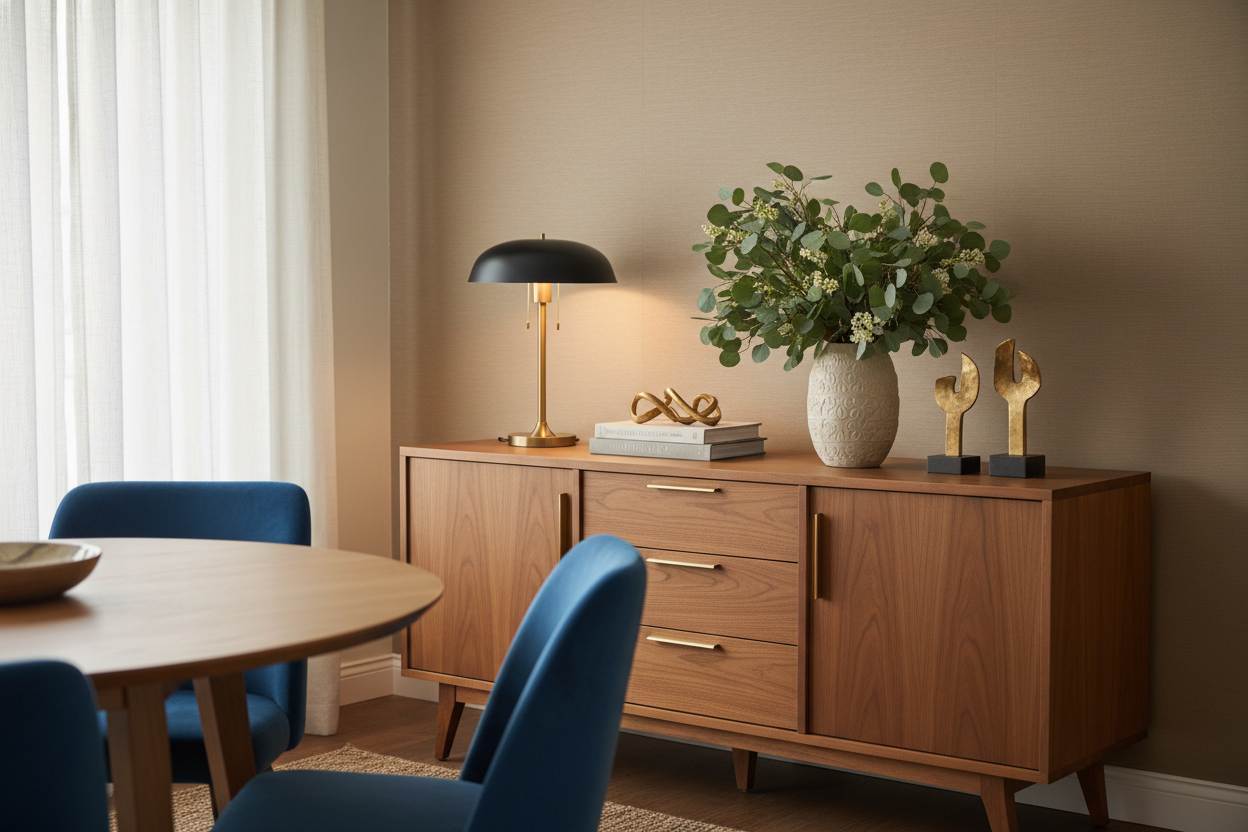
A sideboard buffet cabinet serves as both a practical storage solution and a statement piece that can transform your dining room, living room, or hallway. These versatile furniture pieces have evolved from their traditional role as serving stations into multifunctional units that address modern storage needs while adding architectural interest to any space.
The terms sideboard, buffet, and credenza are often used interchangeably, though subtle differences exist. A sideboard typically refers to a long, low cabinet with drawers and doors, originally designed to sit against a dining room wall. Buffet furniture traditionally includes a surface for serving food, while a credenza table usually features sliding doors rather than hinged ones. Regardless of terminology, these pieces share a common purpose: providing elegant storage and display space.
Understanding Different Types of Sideboards and Cabinets
When shopping for buffets and sideboards, you'll encounter various configurations. A sideboard with drawers and cabinets offers the most versatility, allowing you to organize everything from table linens to serving dishes. Some homeowners prefer a sideboard with drawers only for a streamlined look, while others opt for models with shelves to display decorative items or glassware.
Storage buffet cabinets come in numerous styles. A wood buffet cabinet with storage remains the most popular choice, offering durability and timeless appeal. You'll find options ranging from rustic reclaimed wood to sleek walnut finishes. A buffet wooden design can complement both traditional and contemporary interiors, depending on the finish and hardware details.
The drawer sideboard cabinet configuration varies widely. Some models feature multiple small drawers perfect for organizing flatware and napkins, while others include larger drawers suitable for storing platters and serving bowls. A sideboard with drawers and doors provides concealed storage below with accessible drawer space above—ideal for items you use frequently.
Choosing the Right Size and Placement
Size matters significantly when selecting a sideboard cabinet for your space. A 6 foot sideboard works well in most dining rooms, providing ample storage without overwhelming the room. For larger spaces, consider a 6 ft sideboard or even a 10 foot buffet cabinet if you have an expansive dining area. Conversely, a low buffet cabinet suits smaller rooms or spaces where you want to maintain sight lines.
During my own search for dining room furniture, I discovered that measuring your space beforehand saves considerable frustration. I initially fell in love with an elegant buffet table that would have blocked our dining room window. Taking accurate measurements and considering traffic flow helped me choose a buffet cabinet for dining room that fit perfectly while leaving adequate clearance for chairs.
Placement extends beyond the dining room. A living room buffet cabinet can serve as a media console or bar area, while a hallway buffet cabinet provides welcome storage in otherwise underutilized spaces. Kitchen sideboards and buffets offer additional prep space and storage, particularly valuable in homes lacking built-in cabinetry. An office buffet cabinet can organize supplies while maintaining a professional appearance.
Material and Construction Considerations
Wood sideboard buffet pieces dominate the market for good reason. Solid wood construction ensures longevity, and wood buffet cabinets develop character over time. Popular choices include oak, walnut, cherry, and pine. A wooden kitchen buffet cabinet must withstand moisture and temperature fluctuations, so look for properly sealed finishes.
The quality of construction directly impacts functionality and lifespan. Examine drawer slides—soft-close mechanisms indicate quality construction and prevent slamming. Dovetail joints in drawers signal superior craftsmanship compared to stapled or glued assemblies. A buffet with drawers and cabinets should feel substantial, with doors that align properly and hardware that operates smoothly.
Some modern interpretations incorporate mixed materials. You might find a buffet console table combining wood with metal accents or glass doors on a display buffet cabinet. These variations suit contemporary aesthetics while maintaining the functional benefits of traditional designs.
Storage Solutions and Organization
The best sideboards with storage maximize every inch of available space. Look for a buffet storage cabinet with drawers that includes adjustable shelving behind cabinet doors, allowing you to customize the interior for your specific needs. A credenza table with storage might include a wine rack, stemware holders, or dedicated compartments for different items.
A dining buffet server should accommodate your entertaining style. If you frequently host large gatherings, prioritize a buffet for storage with deep drawers for table linens and spacious cabinets for serving pieces. A buffet serving table needs adequate surface area for laying out dishes during meals.
Consider specialized features like a buffet with shelves for displaying china or collectibles. Some models include a buffet shelf designed specifically for wine bottles, while others feature glass-front doors that transform the piece into a display buffet cabinet. A sideboard buffet hutch adds vertical storage and display space, perfect for formal dining rooms.
Style and Design Elements
Your sideboard furniture should complement existing décor while potentially serving as a focal point. A buffet dresser style works beautifully in traditional settings, while a sleek buffet console cabinet suits modern interiors. Hardware choices—from ornate brass pulls to minimalist metal handles—significantly impact the overall aesthetic.
Color and finish options range from natural wood tones to painted surfaces. A white or cream buffet cabinet brightens spaces and works with virtually any color scheme. Dark finishes like espresso or black create drama and sophistication. A decorative buffet cabinet might feature carved details, turned legs, or decorative molding that elevates it from functional furniture to art piece.
The sideboard table relationship matters too. Your buffet and table should share design elements—matching wood tones, similar leg styles, or complementary finishes—without being identical. Two sideboards side by side can create a dramatic statement wall in larger dining rooms, especially when flanking a doorway or window.
Shopping Tips and Budget Considerations
When searching for a sideboard buffet for sale, explore multiple retailers. Shop buffets & sideboards at furniture stores, but don't overlook estate sales and consignment shops where you might find unique vintage pieces. Kitchen buffets for sale appear at home improvement stores, while sideboards buffet sale events at major retailers offer significant savings.
Prices vary dramatically based on materials, size, and construction quality. A small kitchen buffet cabinet might cost a few hundred dollars, while a 10 foot sideboard crafted from solid hardwood could run several thousand. A cabinet buffet for sale at discount retailers may seem appealing, but examine construction quality carefully—poorly made pieces rarely prove economical long-term.
Consider purchasing from retailers offering assembly services if you're not comfortable with furniture assembly. A large buffet cabinet table arrives in multiple pieces, and proper assembly ensures structural integrity and proper door alignment.
Practical Uses Beyond the Dining Room
Modern homes utilize these versatile pieces throughout the house. A living room buffet table can house electronics, books, and games while providing a surface for lamps and décor. A bathroom buffet cabinet offers stylish storage for towels and toiletries in master baths with adequate space. A hall buffet cabinet creates a landing zone for keys, mail, and other daily essentials.
The kitchen serving table concept has gained popularity in open-plan homes. A kitchen buffet with countertop provides additional prep space and storage while defining the boundary between kitchen and dining areas. Some homeowners even use a buffet desk in home offices, with drawers organizing supplies and the surface supporting monitors and keyboards.
A server table with storage works beautifully in basements or entertainment areas, holding bar supplies and glassware. The serving cabinet sideboard combination suits both formal entertaining and casual family meals, adapting to various occasions and needs.
Maintenance and Care
Proper maintenance extends the life of your sideboard cabinet furniture. Dust regularly with a soft cloth, and clean spills immediately to prevent staining or water damage. Use coasters and placemats during use to protect surfaces from heat and moisture. Wood buffet table with storage pieces benefit from periodic conditioning with appropriate wood care products.
Avoid placing your dining room sideboard cabinet in direct sunlight, which can fade finishes over time. Maintain consistent humidity levels to prevent wood from warping or cracking. Check and tighten hardware periodically, as drawer pulls and hinges can loosen with regular use.
For buffet wooden pieces with painted or lacquered finishes, use gentle cleaners specifically formulated for furniture. Avoid harsh chemicals that might damage the finish. A well-maintained sideboard and buffet furniture can last generations, becoming treasured family pieces.
Frequently Asked Questions
What's the difference between a sideboard, buffet, and credenza?
While these terms are often used interchangeably, traditional distinctions exist. Sideboards typically feature legs and a combination of drawers and cabinets. Buffets are similar but historically included a hutch or upper storage section. Credenzas usually sit flush to the floor with sliding doors rather than hinged ones, though modern usage has blurred these definitions considerably.
How do I choose the right size buffet for my dining room?
Measure your available wall space, leaving at least 24-30 inches of clearance for chair movement when people are seated at your dining table. The buffet should be proportional to your dining table—typically between 50-75% of the table's length. Consider ceiling height too; a tall buffet cabinet with drawers works in rooms with high ceilings, while a low buffet suits more intimate spaces.
Can I use a sideboard in rooms other than the dining room?
Absolutely. Sideboards and buffets work beautifully in living rooms as media consoles or bar cabinets, in hallways for storage and display, in bedrooms as alternative dressers, and even in bathrooms for linens and toiletries. Their versatile design and storage capacity make them valuable additions to virtually any room in your home.


Leave a comment
This site is protected by hCaptcha and the hCaptcha Privacy Policy and Terms of Service apply.