










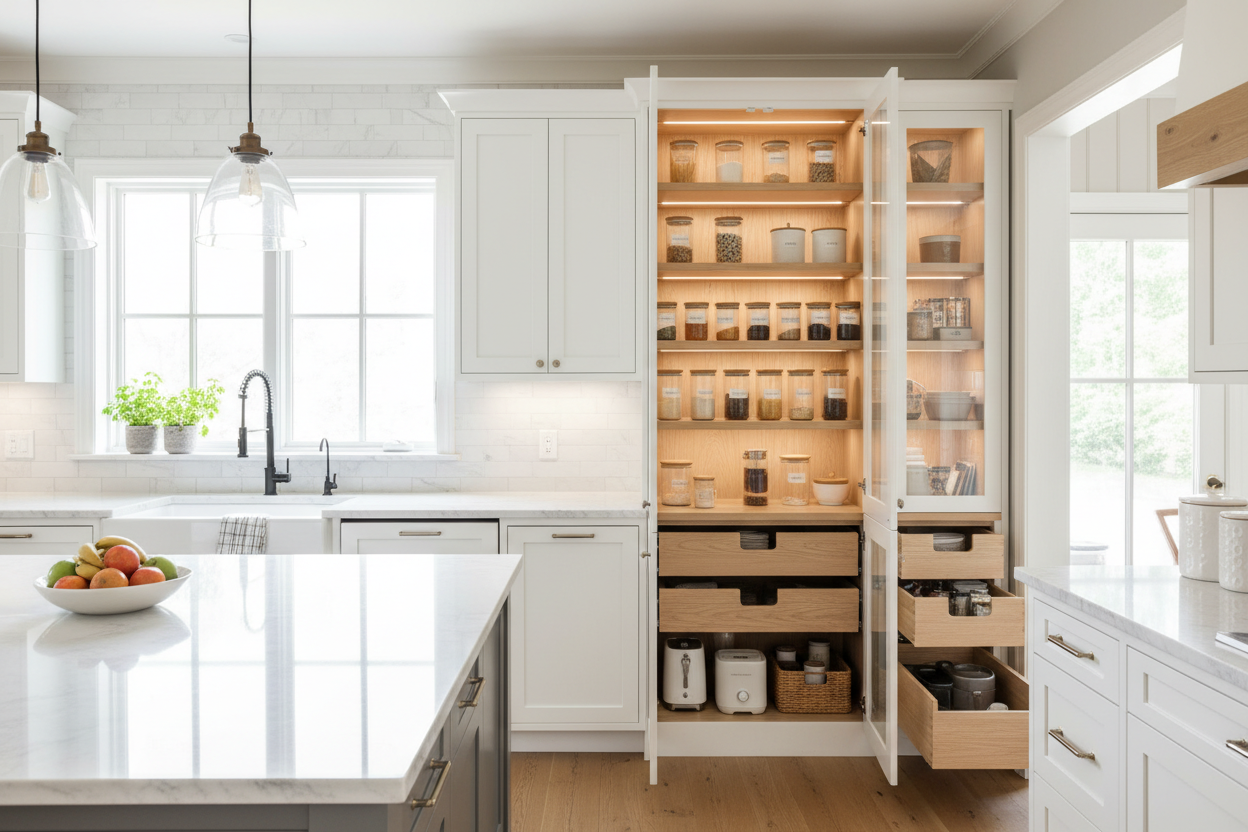
If you're wondering where to buy a kitchen pantry, you have more options than you might think. Major home improvement retailers like Home Depot, Lowe's, and Menards stock kitchen pantry cabinets in their physical stores, allowing you to see and touch the units before purchasing. Additionally, furniture stores such as IKEA, Ashley Furniture, and local cabinet shops carry various pantry solutions that you can examine in person. For those who prefer shopping closer to home, stores like Target and Walmart also feature kitchen pantry options in their home organization sections.
The hunt for a pantry cabinet nearby doesn't have to be overwhelming. I remember spending an entire Saturday driving from store to store, only to realize I should have called ahead to check inventory. That experience taught me the value of doing a bit of research before hitting the road.
Why Shopping In-Store Makes Sense for Pantry Cabinets
Buying a pantry cabinet in store offers distinct advantages over online shopping. You can accurately assess the quality of materials, test drawer mechanisms, and verify that the dimensions will work in your space. The color you see on a screen rarely matches reality—wood tones, white finishes, and painted surfaces all look different under your home's lighting compared to a digital image.
Physical stores also provide immediate gratification. Rather than waiting weeks for delivery, many retailers offer same-day pickup or next-day delivery for in-stock items. This becomes particularly valuable when you're in the middle of a kitchen renovation and need to stay on schedule.
Where Can I Buy a Kitchen Pantry: Breaking Down Your Options
Home improvement centers remain the go-to destination for most shoppers. These stores typically dedicate entire aisles to kitchen storage solutions, with pantry cabinets ranging from basic freestanding units to custom-built options. The staff can usually provide installation advice and connect you with contractors if needed.
Specialty kitchen stores offer a more curated selection. While you might pay a premium, these retailers often carry higher-end brands with superior construction and unique design features. The sales associates tend to have deeper product knowledge and can help you think through storage configurations you hadn't considered.
Don't overlook furniture stores when searching for a kitchen pantry nearby. Many furniture retailers have expanded their kitchen offerings beyond just dining sets. You'll find standalone pantry cabinets that double as attractive furniture pieces, perfect for open-concept homes where the pantry remains visible from living spaces.
Big Box Retailers vs. Local Shops
Big box stores provide variety and competitive pricing. You can compare multiple brands side-by-side, and their return policies tend to be straightforward. However, the selection leans toward mass-market options, and personalized service can be hit-or-miss depending on staffing.
Local cabinet makers and kitchen specialty shops offer customization that chain stores can't match. They'll work with your specific measurements, accommodate unusual spaces, and source materials that align with your existing cabinetry. The price point runs higher, but you're paying for a tailored solution and supporting local businesses.
How to Maximize Your In-Store Shopping Trip
Measure your space before you leave home. Bring the height, width, and depth measurements, along with photos of your kitchen. Note the location of outlets, light switches, and baseboards that might affect installation. I learned this lesson after falling in love with a pantry cabinet that was two inches too tall for my ceiling height.
Check store websites for current inventory before visiting. Most major retailers now show real-time stock levels for each location. This simple step saves you from wasted trips and helps you plan a route if you need to visit multiple stores.
Visit during off-peak hours if possible. Weekday mornings typically offer the best opportunity for one-on-one attention from sales staff. You'll have more time to ask questions, request different configurations, and potentially negotiate on floor models.
Questions to Ask In-Store
Beyond price and dimensions, inquire about the cabinet's construction. Solid wood costs more than particleboard but lasts significantly longer. Ask about the finish quality—will it resist moisture and everyday wear? Find out if shelves are adjustable, as this flexibility becomes invaluable as your storage needs change.
Delivery and installation services vary widely between retailers. Some include delivery in the purchase price, while others charge substantial fees. Professional installation might seem like an unnecessary expense, but complex units with multiple components often benefit from expert assembly.
Timing Your Purchase for the Best Deals
Kitchen pantry cabinets go on sale during predictable cycles. Holiday weekends—Memorial Day, Fourth of July, and Labor Day—bring significant discounts at home improvement stores. January and July mark clearance periods when retailers make room for new inventory.
Floor models present another opportunity for savings. These display units show normal wear but function perfectly well. You can often negotiate 20-40% off the retail price, and you take the item home immediately since it's already assembled.
Making the Final Decision
Once you've narrowed your options, consider the long-term value. A cheaper cabinet that falls apart in three years costs more than a quality piece that serves you for decades. Read reviews, check warranty coverage, and examine the construction details closely.
Think about your lifestyle and cooking habits. Do you buy in bulk? You'll need deeper shelves and higher weight capacity. Are you short on floor space? A tall, narrow cabinet maximizes vertical storage. Do you have mobility issues? Pull-out drawers and lazy Susans make items more accessible than fixed shelves.
The perfect kitchen pantry cabinet nearby exists—it just takes a bit of legwork to find it. By shopping in person, you avoid the guesswork of online purchases and can make an informed decision based on actual products rather than marketing photos. Take your time, compare options across different retailers, and don't hesitate to ask questions. Your kitchen deserves storage that works as hard as you do.
Frequently Asked Questions
What's the average cost of a kitchen pantry cabinet in stores?
Freestanding pantry cabinets typically range from $150 to $800 at major retailers, depending on size, materials, and features. Custom-built options from specialty shops start around $1,000 and can exceed $3,000 for high-end materials and complex configurations. Floor models and sale items can reduce these prices by 20-50%.
Can I return a pantry cabinet if it doesn't fit my space?
Most retailers allow returns within 30-90 days with a receipt, though policies vary by store. Assembled items may be subject to restocking fees, and custom-ordered cabinets are typically non-returnable. Always verify the specific return policy before purchasing, especially for large items.
Do stores offer assembly services for pantry cabinets?
Many major retailers provide assembly services for an additional fee, usually ranging from $50 to $200 depending on the cabinet's complexity. Some stores include free assembly with delivery on purchases above a certain amount. Independent handyman services and TaskRabbit-type platforms offer alternative assembly options if the retailer doesn't provide this service.

Leave a comment
This site is protected by hCaptcha and the hCaptcha Privacy Policy and Terms of Service apply.