










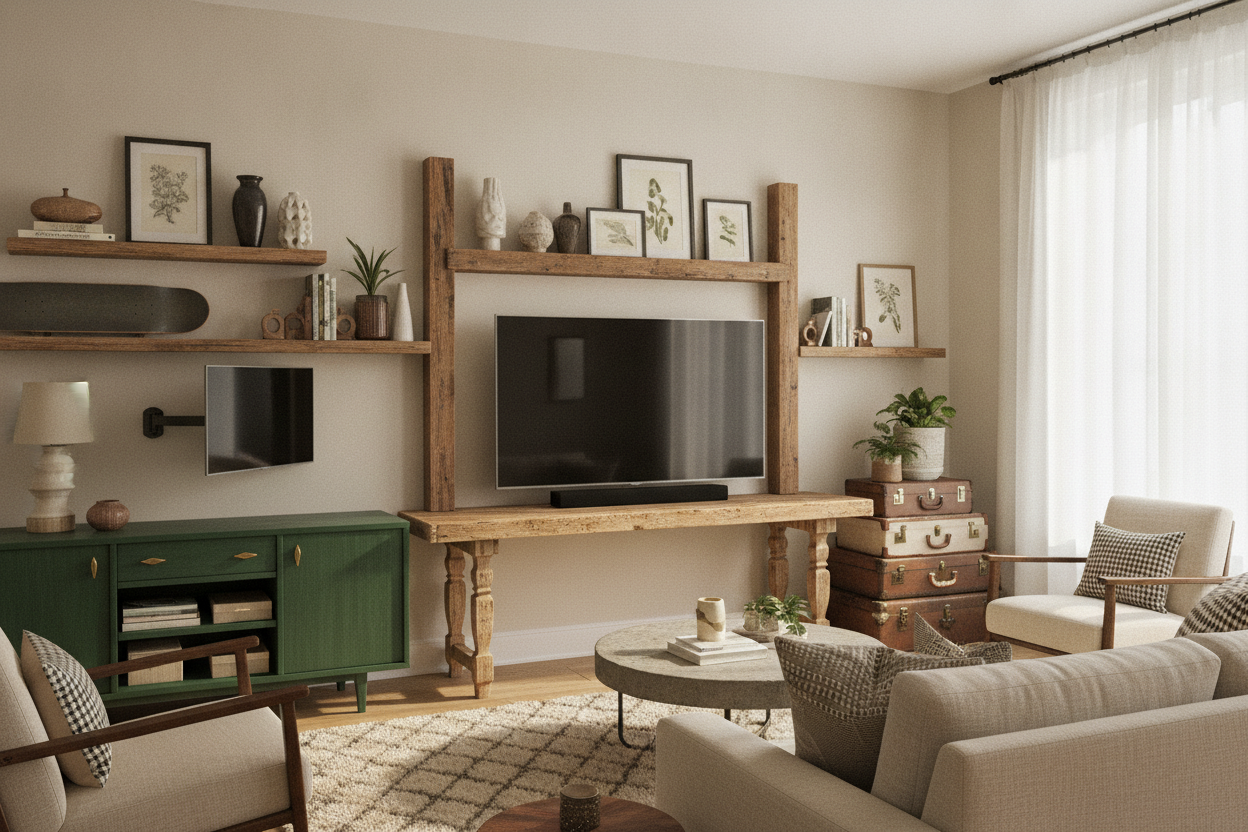
I remember staring at my first real apartment and realizing my TV was perched on a stack of moving boxes. Every media unit I saw online looked like it belonged in a sterile corporate lobby or a college dorm. If you are asking what can i get instead of a tv stand, you are likely tired of those flimsy, espresso-colored particle board boxes that offer zero personality and even less storage.
- Dressers provide way better storage for things you actually own, like linens or board games.
- Dining sideboards are built with a higher weight capacity than cheap flat-pack furniture.
- Always check your viewing height; your neck will thank you later.
- Cord management is just one drill bit away from being solved.
The Problem With Standard Media Consoles
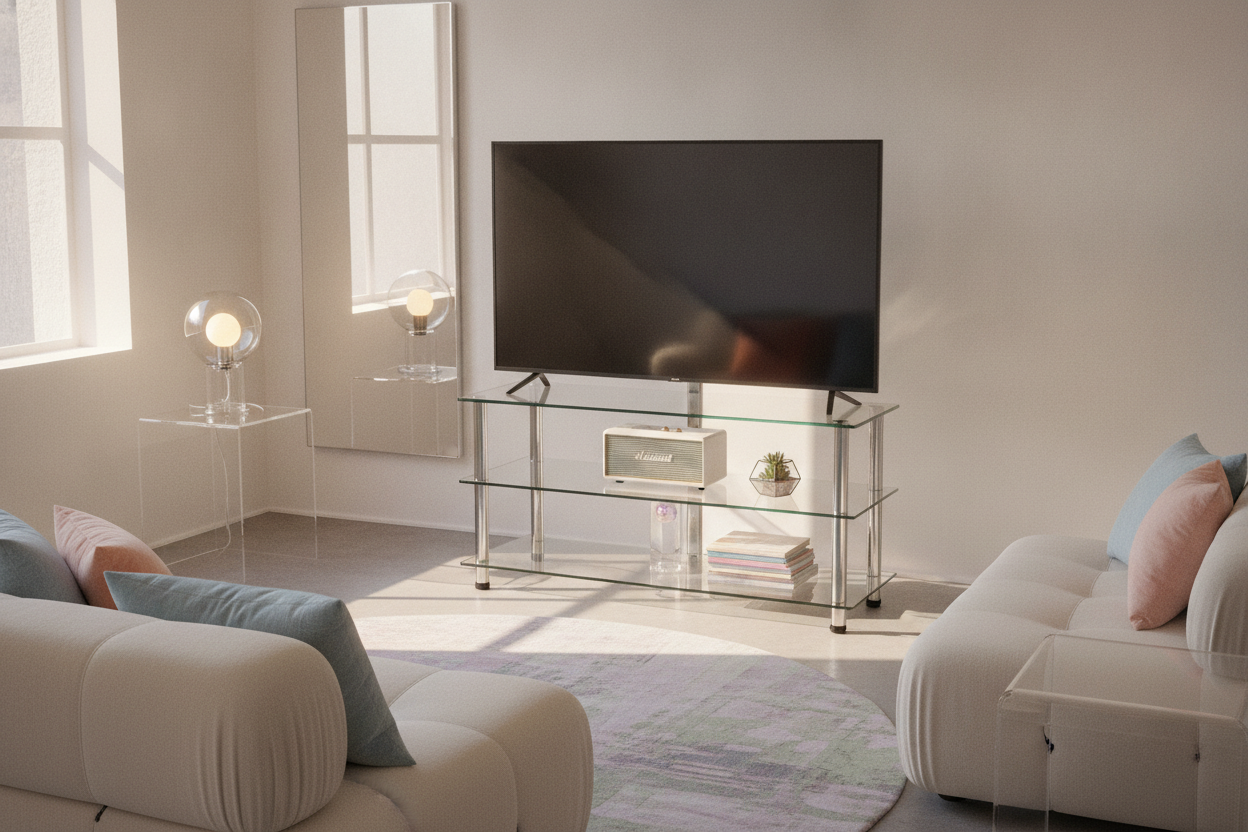
Most traditional TV stands are designed for a version of technology that doesn't really exist anymore. They have these narrow little cubbies for DVD players and VCRs that just end up collecting dust and tangled cables. They're often too low, forcing you to slouch on the sofa just to see the screen clearly.
I’ve bought my fair share of cheap consoles only to have them sag in the middle after six months. If it’s not kiln-dried hardwood or at least a very high-quality ply, it’s going to struggle with the weight of a modern 65-inch screen. Plus, they just feel predictable. There’s no soul in a mass-produced media box.
Okay, So What Can I Get Instead of a TV Stand?
The best furniture that can be used as a tv stand usually isn't in the living room section of the store. I’ve learned to shop my own house or hit up local estate sales for pieces with better bones. You want something with a flat, stable surface and enough depth to keep the TV from being a tipping hazard.
Think about pieces that have interesting textures or historical weight. A piece of furniture with a story always looks better than something that arrived in a flat box with a bag of plastic cam-locks. You are looking for something that anchors the room, not just a place to set your remote.
The Bedroom Dresser (Yes, Really)
A low, wide six-drawer dresser is my absolute favorite hack. Most dressers sit between 30 and 34 inches high. If you have a larger living room, this height is actually superior to low-slung consoles because it fills the vertical space on a wall much better. It makes the TV feel like a deliberate part of the decor rather than a black hole in the middle of the room.
I once used a vintage teak dresser that had incredible storage capacity. It held all my winter blankets and my entire messy collection of HDMI cables. The depth is usually around 18-20 inches, which is plenty of room for a sturdy base. Just make sure the legs are solid—avoid those spindly, cheap metal legs that look like they might buckle under a heavy load. A solid plinth base is even better for stability.
The Dining Room Credenza Pivot
Dining room buffets and sideboards are the heavy hitters of the interior design world. They are built to hold heavy stacks of ceramic plates and silver, so a TV is light work for them. Wait, Can a Credenza Be Used as a TV Stand? (A Grown-Up Living Room Hack) is a question I answer at least once a month for clients who want a more sophisticated look.
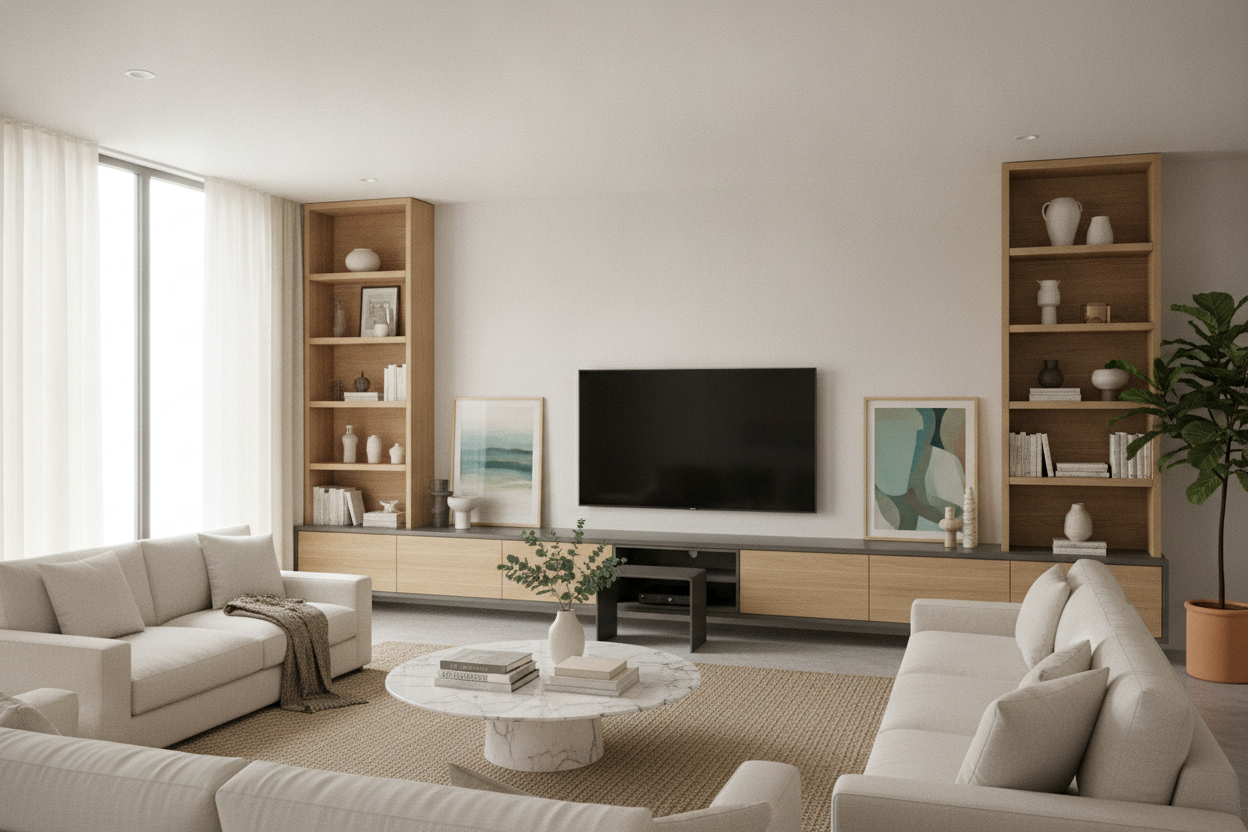
The beauty of a credenza is the length. A 70-inch credenza under a 55-inch TV creates a balanced, high-end look. If you want something that bridges the gap between dining elegance and tech functionality, a storage credenza with sliding glass doors is perfect. The glass allows you to use your remotes without opening the doors, but the credenza styling keeps it from looking like a tech-heavy eyesore.
Vintage Trunks and Blanket Boxes
For those of us in cramped apartments, unconventional tv stands like vintage steamer trunks are a life-saver. They provide a low-profile base that doesn't overwhelm a small room. I used an old leather-bound trunk in my first studio, and it added so much texture to an otherwise boring white box of a room.
One caveat: the top must be perfectly flat. I once tried to balance a TV on a slightly domed trunk lid by leveling it with coasters. It was a disaster. Stick to flat-topped tool chests or cedar blanket boxes. They offer deep storage for things you rarely use, like holiday decorations or old photo albums, which is a massive win in a small space.
Rules for Furniture That Can Be Used As a TV Stand
Before you drag that antique desk into the living room, check the structural integrity. Real hardwood is a must. If the piece is made of thin plywood or 1.5 lb density MDF, it might bow over time under the weight of a large screen. You want a piece that feels anchored and heavy.
Measure your eye level while sitting on your actual sofa. If the furniture is too high, you'll feel like you're in the front row of a movie theater. Generally, the center of the screen should be at eye level. Also, check the depth. You need at least 15 inches to ensure the TV stand isn't teetering on the edge. If you have kids or pets, always use a wall-anchor kit, regardless of what furniture you choose.
How to Manage Cords on Unconventional TV Stands
The biggest fear with using non-media furniture is the cord nightmare. Most people don't want to ruin a nice dresser by cutting holes in it. But here is the truth: a 2-inch hole in the back panel won't hurt the value or the stability. Most back panels are just thin sheets of hardboard anyway.
I use a standard power drill with a hole saw attachment. It takes ten seconds and makes the whole setup look professional. If you’re dealing with a high-end antique, don't drill. Instead, use adhesive cord clips along the back legs to guide the wires down to the floor. You can also use a decorative box with a slot cut in the back to hide your router and power strip on top of the unit.
Is a dresser too high for a TV?
It depends on your seating. If you have a low-profile, modern sofa, a tall dresser might cause neck strain. But for standard-height seating, a 30-inch dresser is often more comfortable than a tiny 15-inch media bench.
Can I use a bookshelf as a TV stand?
Only if it's a low, sturdy unit like a heavy wooden library shelf. Tall, skinny bookshelves are too top-heavy and are a major tipping risk. If it wobbles when you nudge it, don't put a TV on it.
Will my TV components overheat inside a cabinet?
Yes, if there's no airflow. If you're putting a gaming console inside a closed credenza, you need to cut a large vent hole in the back or leave the doors cracked during use. Heat is the enemy of electronics.

Leave a comment
This site is protected by hCaptcha and the hCaptcha Privacy Policy and Terms of Service apply.