










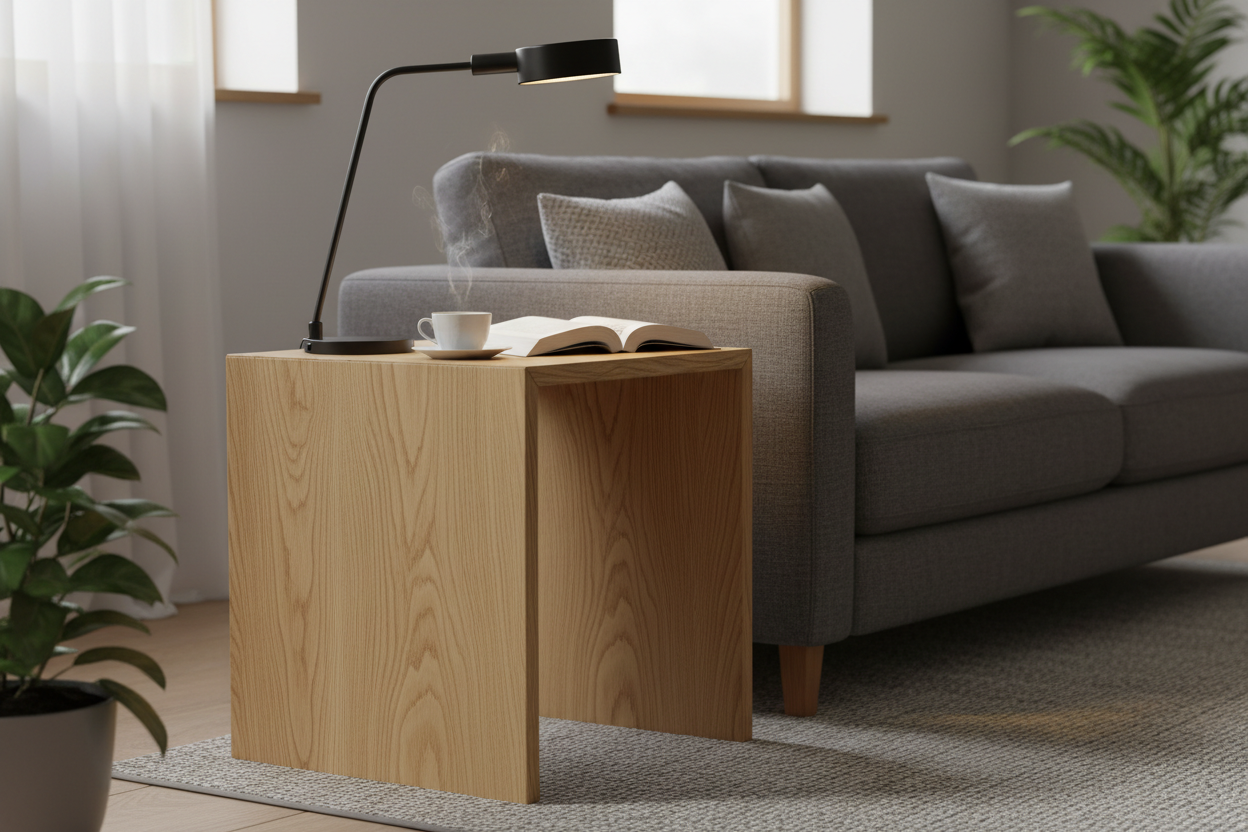
A side table in wood is often the most hardworking piece of furniture in a home, yet it rarely gets the credit it deserves. While sofas and coffee tables dominate the visual hierarchy of a room, the humble side table serves as the functional anchor. It holds your morning coffee, supports your reading lamp, and adds a layer of organic texture that synthetic materials just cannot replicate. Choosing the right one isn't merely about finding a flat surface; it is about balancing scale, durability, and aesthetic warmth to complete a space.
The Enduring Appeal of Timber in Living Spaces
Natural materials have a way of grounding a room. A wood side table brings an immediate sense of warmth that glass or metal often lacks. This is particularly true in modern apartments where drywall and neutral carpeting can feel somewhat sterile. Incorporating a wood end table introduces grain patterns and earthy tones that act as a bridge between the architecture and the softer upholstery of your furniture.
I learned this lesson the hard way a few years ago. I had purchased a sleek, industrial metal table for my first apartment. It looked fantastic in photos, but in daily use, it was cold to the touch and clanged loudly every time I set a mug down. I eventually swapped it for a vintage oak piece—a sturdy, simple wood side table I found at a flea market. The difference was instant. The room felt quieter, cozier, and the scratches on the surface only added to its charm rather than ruining it. That experience taught me that tactile quality matters just as much as visual style.
Choosing the Right Scale for Your Sofa
Proportion is the most common stumbling block when selecting furniture. Wood end tables living room setups require specific height and width considerations. A table that is too high makes reaching for a drink awkward, while one that is too low can look like a mistake. The general rule of thumb is to match the table height to the arm of your sofa or chair, or stay within two inches lower. Never go higher.
If you prefer a modern, relaxed aesthetic, a low wood side table can look incredibly chic, especially next to low-profile, mid-century modern seating. However, functionality should remain the priority. If you need the table to hold a lamp for reading, ensure the combined height of the table and lamp casts light effectively over your shoulder.
For those with limited square footage, a wood small table is essential. You don't need a massive footprint to make an impact. Round tables are excellent for tight corners because the lack of sharp edges improves flow, allowing you to walk past without hip-checking the furniture. Small wood side tables can be tucked between chairs or used as plant stands when not in active use by a guest.
Material Quality: Solid Wood vs. Veneer vs. Composite
The market is flooded with options labeled as "wood," but the construction varies wildly. A wooden top end table might sit on metal legs, offering a mixed-material look that fits industrial or farmhouse styles. This is often a great compromise if you want the warmth of timber without the visual bulk of a solid block.
When shopping for timber end tables, understanding the core material is vital for longevity. Solid wood is durable and can be refinished, but it is susceptible to humidity changes. Veneer over plywood is stable and often more affordable, but you cannot sand it down if it gets scratched deep enough. If you are looking for a wood side table cheap, you will likely encounter particle board with a laminate finish. While these are budget-friendly, they rarely survive a move and swell instantly if a drink coaster fails.
There are plenty of cheap wood side tables that are surprisingly robust, provided you look for solid pine or rubberwood rather than hollow composites. These softer woods might dent easier than walnut or maple, but they maintain the structural integrity of real lumber.
Styling Wooden End Tables for Living Room layouts
Mixing and matching is better than buying a matching set. The days of buying a coffee table and side tables for living room wooden sets that look exactly alike are behind us. A curated room feels collected over time. If your coffee table is a dark walnut, consider a lighter white oak for your side table. The contrast prevents the room from feeling heavy or one-dimensional.
For a cohesive look, try to match the undertones. If your floor has warm, red undertones, stick to woods like cherry or mahogany. If your floors are cool or grey-washed, ash or maple end tables for living room wood selections will blend seamlessly. A small wood end table can also act as a statement piece if you choose one with live edges or interesting joinery details.
Functionality in Small Apartments
In studio apartments or compact dens, furniture often needs to pull double duty. Small wood end tables for living room areas can double as nightstands or extra seating in a pinch. Nesting tables are a brilliant solution here. You can have a main wood small table for daily use, with a secondary one tucked underneath that can be pulled out when guests arrive with drinks.
Don't overlook the benefit of storage. A simple wood side table with a single drawer or a lower shelf can hide remotes and magazines, keeping the surface clutter-free. This is where the "small wood end table" search often yields the best results—compact designs that prioritize vertical storage over horizontal spread.
Where to Find Value
You do not need to spend a fortune to get a quality piece. Finding a wood side table cheap often just requires patience. Estate sales and secondhand marketplaces are goldmines for wooden furniture because wood is resilient. A scratched surface on a solid wood table isn't a defect; it's a weekend DIY project. Sanding and re-oiling a beat-up table can result in a piece that looks worth ten times what you paid.
Conversely, if you prefer buying new, look for "flat pack" solid wood options. These reduce shipping costs, allowing manufacturers to sell small wood end tables for living room use at a lower price point while still using real timber components. The key is to avoid staples and glue; look for screws and bolts in the assembly instructions.
Whether you opt for a high-end designer piece or a budget-friendly find, the addition of a wooden end table brings an element of nature indoors. It grounds the space, offers necessary utility, and ages beautifully along with your home.
Frequently Asked Questions
How do I protect a wood side table from water rings?
The best defense is a high-quality sealant like polyurethane or a natural hard-wax oil applied before use. Always use coasters, but if a water ring does appear on a finished surface, you can often remove it by gently applying low heat with a hair dryer or using a mixture of baking soda and toothpaste on a soft cloth.
Can I mix different wood tones in the same living room?
Yes, mixing wood tones adds depth and prevents the room from looking like a showroom catalog. To make it work, try to keep the wood undertones (warm vs. cool) consistent, or use a rug to create a visual break between a wood floor and a wood table of a different shade.
What is the ideal height for a side table?
Ideally, your side table should be level with or up to two inches lower than the arm of your sofa. This ergonomic height makes it easy to set down a drink without straining your shoulder or wrist.

Leave a comment
This site is protected by hCaptcha and the hCaptcha Privacy Policy and Terms of Service apply.