










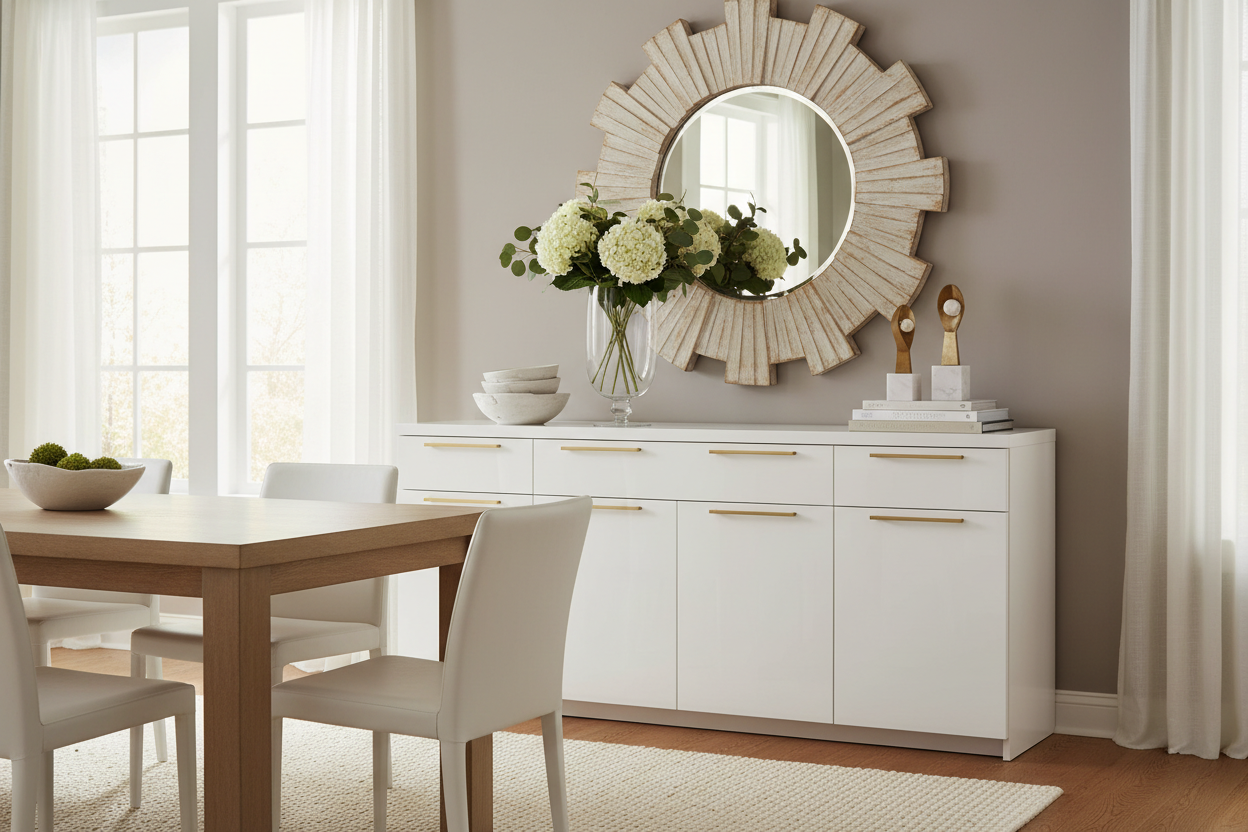
A modern white buffet transforms any dining space from ordinary to extraordinary while solving one of the most persistent problems in home design: storage that doesn't look like storage. These versatile pieces have become essential in contemporary homes, offering clean lines, ample concealed storage, and a neutral foundation that adapts to virtually any decorating style you can imagine.
The beauty of choosing white lies in its chameleon-like ability to shift with your tastes. When I moved into my current home three years ago, I invested in a sleek white buffet for my dining room, skeptical about whether such a neutral piece would hold my interest. That buffet has witnessed three complete room makeovers—from coastal blues to warm terracottas to my current sage green obsession—and it's looked perfectly at home through every transformation.
What Makes Modern White Buffets Different From Traditional Sideboards
The distinction between contemporary designs and their traditional counterparts goes beyond aesthetics. A modern white buffet typically features minimalist hardware, geometric shapes, and materials like high-gloss lacquer, matte finishes, or engineered wood with clean veneers. You won't find ornate carvings or heavy moldings here. Instead, these pieces embrace simplicity with handleless doors, push-to-open mechanisms, and streamlined silhouettes that make rooms feel more spacious.
Traditional sideboards often come in dark woods with decorative elements that anchor them firmly to specific design periods. Modern versions reject that rigidity. They're designed to disappear into your space or stand out as sculptural statements, depending on how you style them.
Sizing Your Space Correctly
Before falling in love with any particular piece, measure your wall space and leave at least 24 inches of clearance for walking and chair pullout. A modern white buffet table works best when it doesn't crowd the room. Standard heights range from 30 to 36 inches—tall enough to be functional but low enough to keep sightlines open across the room.
Length matters too. In smaller dining areas, a 48-inch buffet provides adequate storage without overwhelming the space. Larger rooms can accommodate 60 to 72-inch pieces that make bold statements and offer significantly more storage capacity. The depth usually hovers around 16 to 20 inches, which is deep enough for dinner plates and serving dishes but shallow enough to maintain a sleek profile.
Storage Configuration That Actually Works
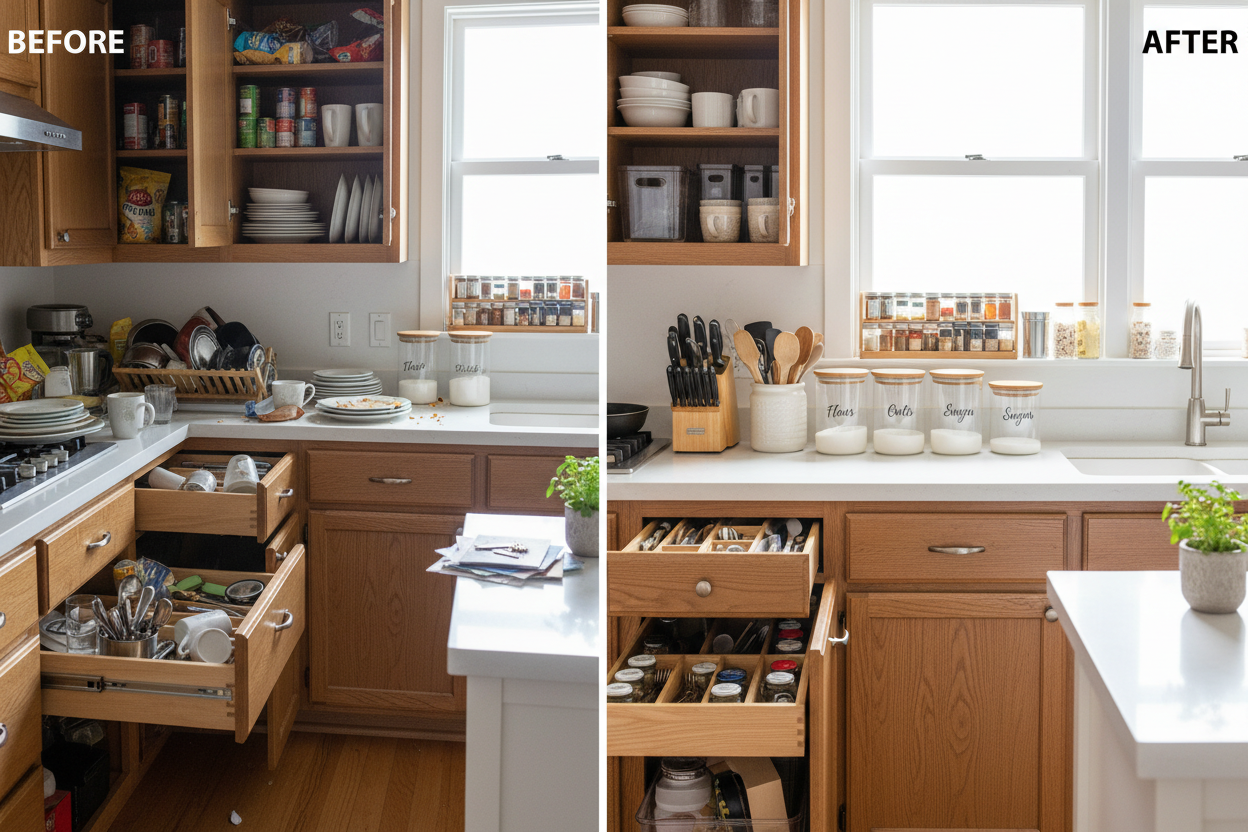
The internal layout determines whether your buffet becomes genuinely useful or just another dust collector. Look for adjustable shelving that accommodates everything from tall vases to stacks of placemats. Drawers with dividers help organize flatware and linens, while cabinets with soft-close hinges prevent the jarring slam that cheaper furniture produces.
Some designs incorporate wine storage, stemware racks, or dedicated silverware compartments. Think honestly about what you'll actually store. If you rarely use formal dinnerware, those specialized wine cubbies might be wasted space better used for board games, craft supplies, or whatever your household actually needs.
Beyond the Dining Room
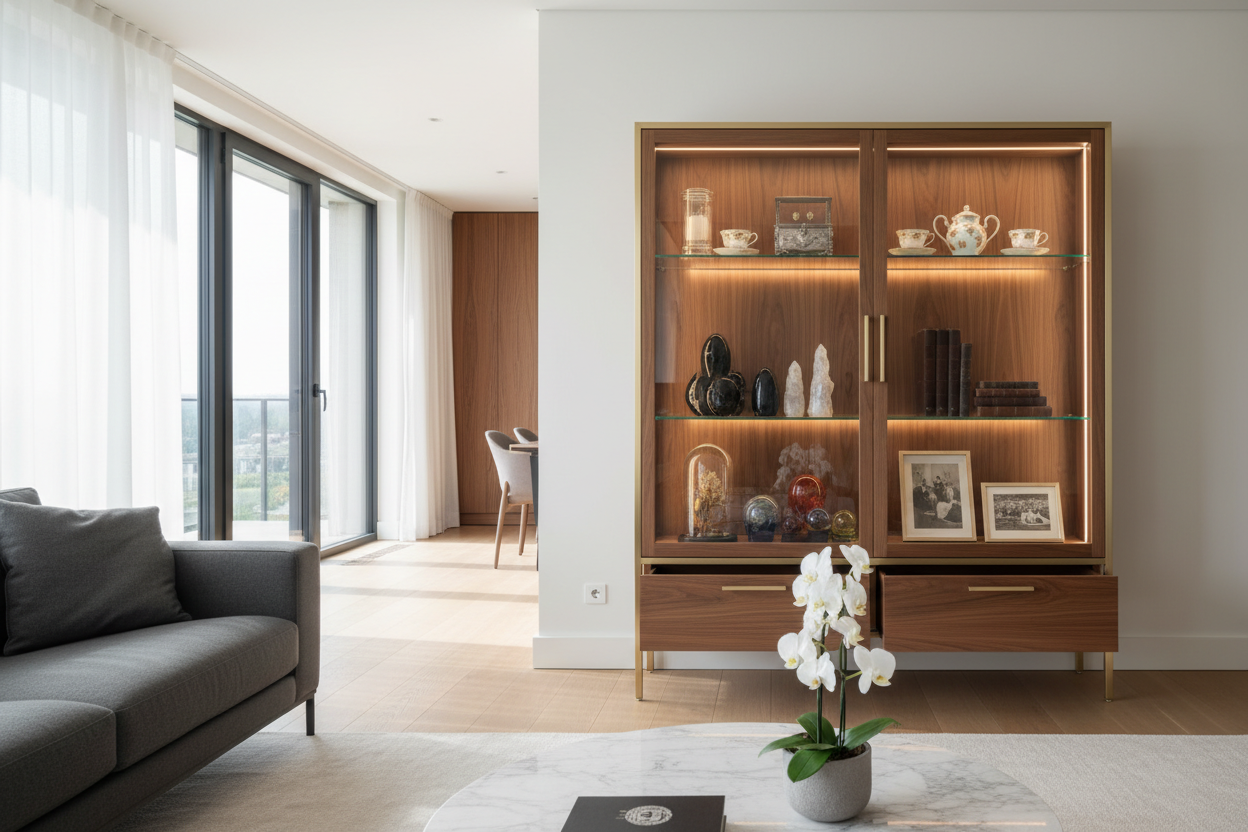
Here's where these pieces prove their versatility. A modern white buffet table adapts beautifully to living rooms as media consoles, entryways as catch-all stations, or bedrooms as dresser alternatives. The neutral color and clean design mean it won't clash with existing furniture or limit your options down the road.
I've seen friends repurpose dining buffets as changing tables in nurseries, craft supply organizers in home offices, and even bathroom vanities in larger powder rooms. The modern aesthetic translates across these different contexts because it's not trying too hard to be anything specific.
Material Considerations That Matter
Not all white finishes are created equal. High-gloss lacquer creates a mirror-like shine that's stunning but shows every fingerprint and smudge. Matte finishes hide daily wear better and create a more relaxed, lived-in feel. Textured finishes like cerused oak or white-washed wood add depth and character while maintaining that light, airy quality.
Solid wood offers durability and the option to refinish later, but it comes with a higher price tag. Medium-density fiberboard (MDF) with quality veneer provides excellent value and stability, resisting warping better than solid wood in some climates. Avoid particleboard if you're hoping for longevity—it doesn't hold hardware well and can deteriorate quickly with moisture exposure.
Styling Without Overthinking It
The top surface of your buffet shouldn't become a cluttered wasteland, but it also shouldn't look like a museum display. A simple formula works: one larger anchor piece (a mirror, artwork, or large vase), a few smaller decorative objects at varying heights, and negative space that lets everything breathe.
Seasonal swaps keep things fresh. Spring branches in a tall vase, summer fruits in a bowl, autumn pumpkins, winter evergreen—these simple touches connect your space to the world outside without requiring a design degree. The white background makes everything you place on it pop, so you don't need much.
Practical Maintenance Tips
White furniture scares people unnecessarily. Yes, it shows dirt, but it also shows you when it's time to clean—which means it actually stays cleaner than dark furniture where dust hides. A microfiber cloth and gentle all-purpose cleaner handle most situations. For tougher marks on lacquer finishes, a magic eraser works wonders, though test it in an inconspicuous spot first.
Coasters aren't optional. Water rings on white finishes are heartbreaking and sometimes permanent. Similarly, hot dishes need trivets or placemats. These small habits preserve your investment and keep your buffet looking showroom-fresh for years.
Investment vs. Budget Options
You can find modern white buffets at every price point, from a few hundred dollars to several thousand. The difference shows in construction quality, finish durability, and hardware smoothness. Budget pieces often use thinner materials and simpler joinery, which doesn't mean they're worthless—just that they won't survive multiple moves or decades of daily use.
Mid-range options typically offer the best value, combining decent materials with thoughtful design. Luxury pieces justify their cost with superior craftsmanship, unique designs, and materials that age gracefully. Consider how long you'll keep the piece and how hard you'll use it when deciding where to invest.
The right modern white buffet becomes more than furniture—it's the organized, beautiful foundation that makes your dining experience smoother and your space more functional. Whether you're hosting dinner parties or just trying to wrangle your household chaos into something manageable, this one piece can genuinely change how your room works and feels.

Leave a comment
This site is protected by hCaptcha and the hCaptcha Privacy Policy and Terms of Service apply.