










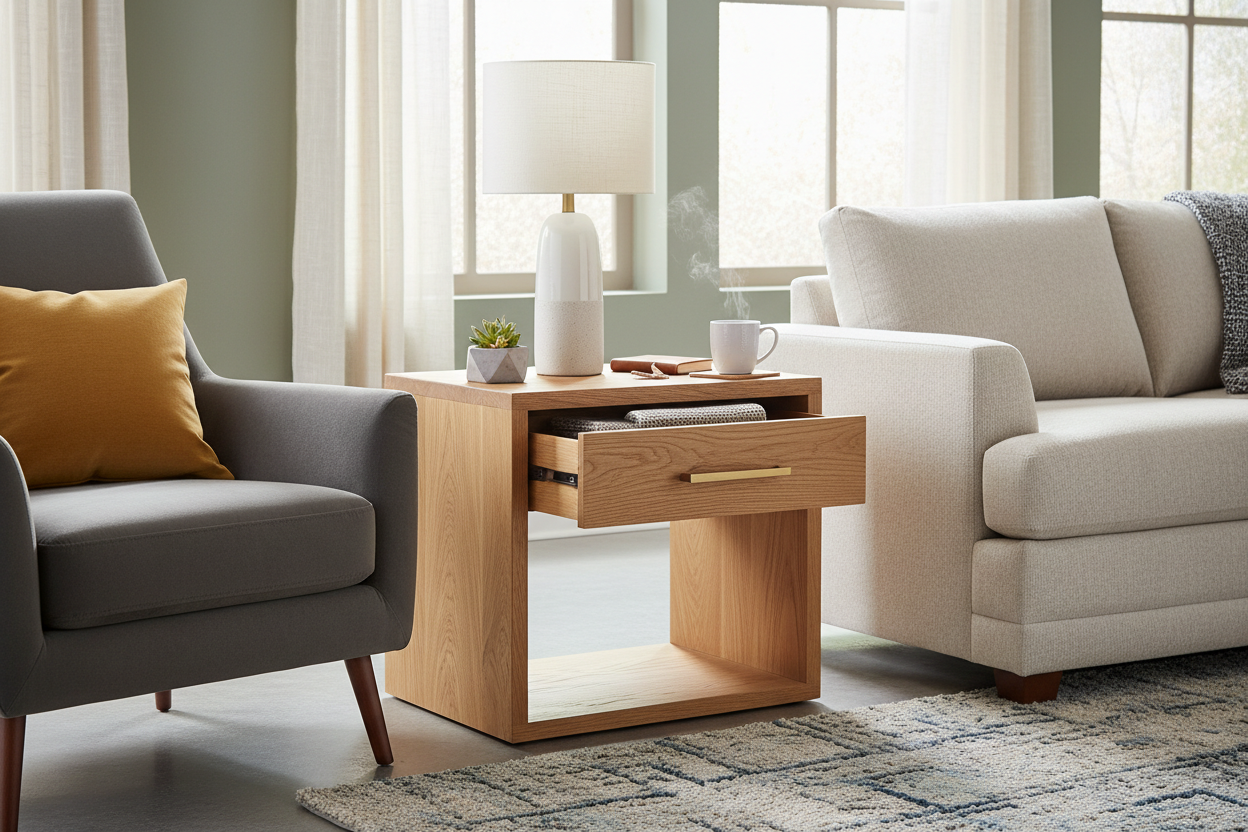
Small furniture pieces often make the biggest impact in our daily lives, and few items prove this better than a drawer accent table. These compact, functional pieces combine the decorative appeal of an accent table with the practical storage of a drawer, solving two design challenges in one elegant solution. Whether you're dealing with a cramped apartment or simply want to maximize every square foot of your home, understanding what makes these tables special can transform how you think about furniture.
The beauty of an accent table with drawer lies in its versatility. Unlike traditional end tables or purely decorative accent pieces, these tables serve multiple purposes without demanding much floor space. You get a surface for lamps, books, or decorative items, plus hidden storage for remotes, charging cables, reading glasses, or whatever small items tend to clutter your living space.
What Makes a Drawer Accent Table Different
The defining feature is obvious—the drawer—but the real magic happens in how designers integrate storage without compromising aesthetics. A well-designed drawer accent table maintains clean lines and visual lightness while offering functional storage. The drawer typically sits flush with the table's frame, preserving the piece's streamlined appearance.
These tables come in countless styles, from mid-century modern designs with tapered legs to rustic farmhouse pieces with distressed finishes. Some feature open shelving below the drawer for additional storage or display space, while others keep things minimal with just the drawer and tabletop. The variety means you can find one that fits virtually any decorating style, whether you're furnishing a contemporary loft or a traditional living room.
Placement Ideas That Actually Work
Beside the sofa is the most obvious spot, but limiting yourself to this placement means missing out on the table's full potential. In bedrooms, a drawer accent table makes an excellent nightstand alternative, providing surface space for a lamp and alarm clock while keeping nighttime essentials tucked away in the drawer. The smaller footprint compared to traditional nightstands can be particularly helpful in tighter bedroom layouts.
Entryways and hallways benefit enormously from these pieces. A narrow accent table with drawer can hold your keys, mail, and sunglasses in the drawer while the top displays a small plant or catches incoming items. I learned this lesson after years of dropping my keys in random places throughout my apartment—having a designated spot with hidden storage for the less attractive everyday items changed everything.
Home offices and reading nooks also welcome these tables. Position one beside a comfortable chair to create a mini reading station where the drawer holds bookmarks, notepads, and pens while the surface supports a reading lamp and your current book stack.
Materials and Construction Quality
The material you choose affects both durability and aesthetic. Solid wood tables, particularly those made from oak, walnut, or maple, offer longevity and develop character over time. They can handle daily use and the occasional bump without showing excessive wear. Wood veneer over engineered wood provides a similar look at a lower price point, though it may not age as gracefully.
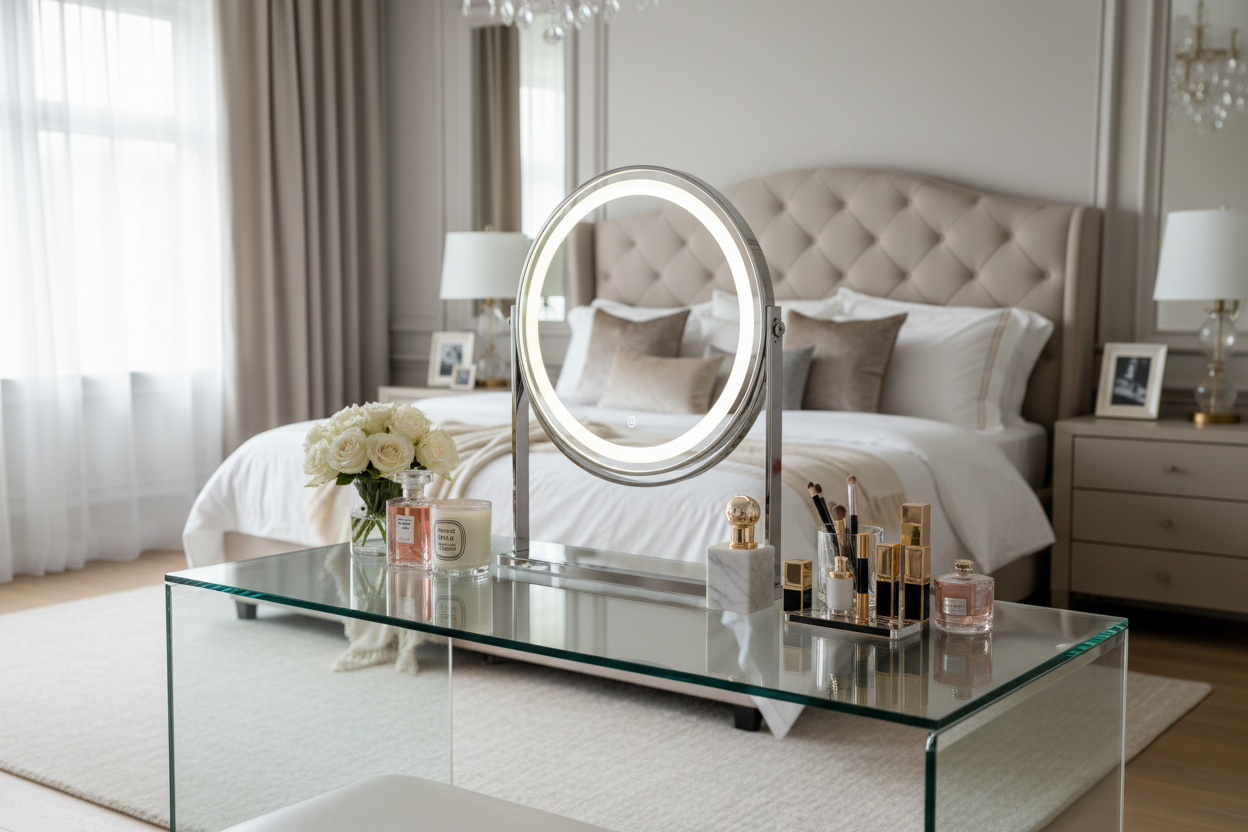
Metal and glass combinations create contemporary looks that work well in modern spaces. These materials are typically easier to clean and maintain, though glass tops can show fingerprints and dust more readily. Mixed-material designs—like a wood top with metal legs—offer interesting visual contrast and can bridge different decorating styles within a room.
Pay attention to drawer construction. Dovetail joints indicate quality craftsmanship and ensure the drawer won't fall apart with regular use. Ball-bearing drawer glides provide smoother operation than basic roller glides, and soft-close mechanisms prevent slamming, which protects both the table and your sanity during late-night use.
Size Considerations for Different Spaces
Height matters more than many people realize. Standard accent tables range from 22 to 30 inches tall, but the right height depends on what you're placing it next to. For sofa-side use, the table should sit level with or slightly below the sofa arm for easy reach. Beside a bed, you want the surface at mattress height or slightly above.
Width and depth determine how much surface area you have and how far the table projects into your room. Compact models measuring 15-18 inches wide work in tight spaces, while larger 24-inch versions provide more surface area for lamps and decorative items. Depth typically ranges from 12 to 18 inches—deeper tables offer more storage but require more floor space.
The Hidden Storage Advantage
The drawer transforms an accent table from purely decorative to genuinely useful. This hidden storage keeps visual clutter at bay, which matters more than you might think. Open shelves have their place, but sometimes you just need to hide things. TV remotes, coasters, phone chargers, medications, hand lotion—these necessary items don't always add to your decor.
Drawer depth varies significantly between models. Shallow drawers (3-4 inches deep) work fine for flat items like magazines, remotes, and notebooks. Deeper drawers (5-7 inches) can accommodate bulkier items like books, tablets, or craft supplies. Consider what you'll actually store before buying.
Style Integration
Matching your drawer accent table to existing furniture doesn't mean everything needs to look identical. In fact, perfectly matched furniture can feel staged and lifeless. Instead, look for pieces that share similar tones, finishes, or design elements with your other furniture while bringing their own personality.
Mixing metals, woods, and styles creates depth and interest. A sleek metal-and-glass accent table can beautifully complement a traditional fabric sofa, while a rustic wooden piece might be exactly what a modern room needs to feel warmer and more inviting. The key is maintaining some visual connection—whether through color, material, or style lines—so the piece feels intentional rather than random.
Maintenance and Care
Different materials demand different care approaches. Wood tables benefit from regular dusting and occasional treatment with furniture polish or wax, depending on the finish. Avoid placing hot items directly on wood surfaces, and clean spills immediately to prevent staining or water damage.
Metal components may need occasional tightening of screws or bolts, particularly if you move the table frequently. Glass tops require regular cleaning with glass cleaner to maintain clarity and shine. Check drawer glides periodically and apply a bit of lubricant if they start sticking or squeaking.
Budget-Friendly Options vs. Investment Pieces
Quality accent tables with drawers span a wide price range. Budget options starting around $50-$100 typically use engineered wood with veneer finishes and basic hardware. These can serve you well if you're furnishing a temporary space or working with limited funds, though they may not survive multiple moves or heavy daily use.
Mid-range tables ($150-$400) often feature solid wood construction, better drawer hardware, and more refined finishes. This price point typically offers the best balance of quality and value for most buyers. Investment pieces above $400 usually showcase premium materials, superior craftsmanship, and timeless designs that can last decades and move through different rooms and homes with you.
Making the Right Choice
Before purchasing, measure your space carefully and consider the table's purpose. Will it primarily hold a lamp, or do you need substantial surface area for multiple items? How much storage do you genuinely need in the drawer? Does the table need to blend seamlessly with existing furniture or can it make a statement as a contrasting piece?
Think about your lifestyle too. Homes with pets or children might benefit from more durable materials and finishes that hide scratches and dings. If you move frequently, consider weight and ease of disassembly. For long-term placement in a forever home, prioritize quality construction and timeless design over trendy styles.
Common Questions About Accent Tables with Drawers
Can I use an accent table with drawer as a nightstand?
Absolutely, and many people prefer them to traditional nightstands. Just ensure the height works with your mattress—you want to reach the surface comfortably while lying down. The drawer provides perfect storage for items you want nearby but out of sight, like medications, earplugs, or personal items.
How do I keep the drawer organized?
Small drawer organizers or dividers work wonders in accent table drawers. You can find inexpensive options designed for desk drawers that fit perfectly. Group similar items together—charging cables in one section, remotes in another—and the drawer stays functional rather than becoming a junk collector.
What's the best material for high-traffic areas?
Solid wood with a durable finish holds up best to daily use and occasional bumps. If you prefer the look of glass, tempered glass offers better resistance to breakage. Metal frames tend to be very durable but can show scratches more easily than wood, so consider darker metal finishes that hide minor wear better than polished or light-colored metals.


Leave a comment
This site is protected by hCaptcha and the hCaptcha Privacy Policy and Terms of Service apply.