










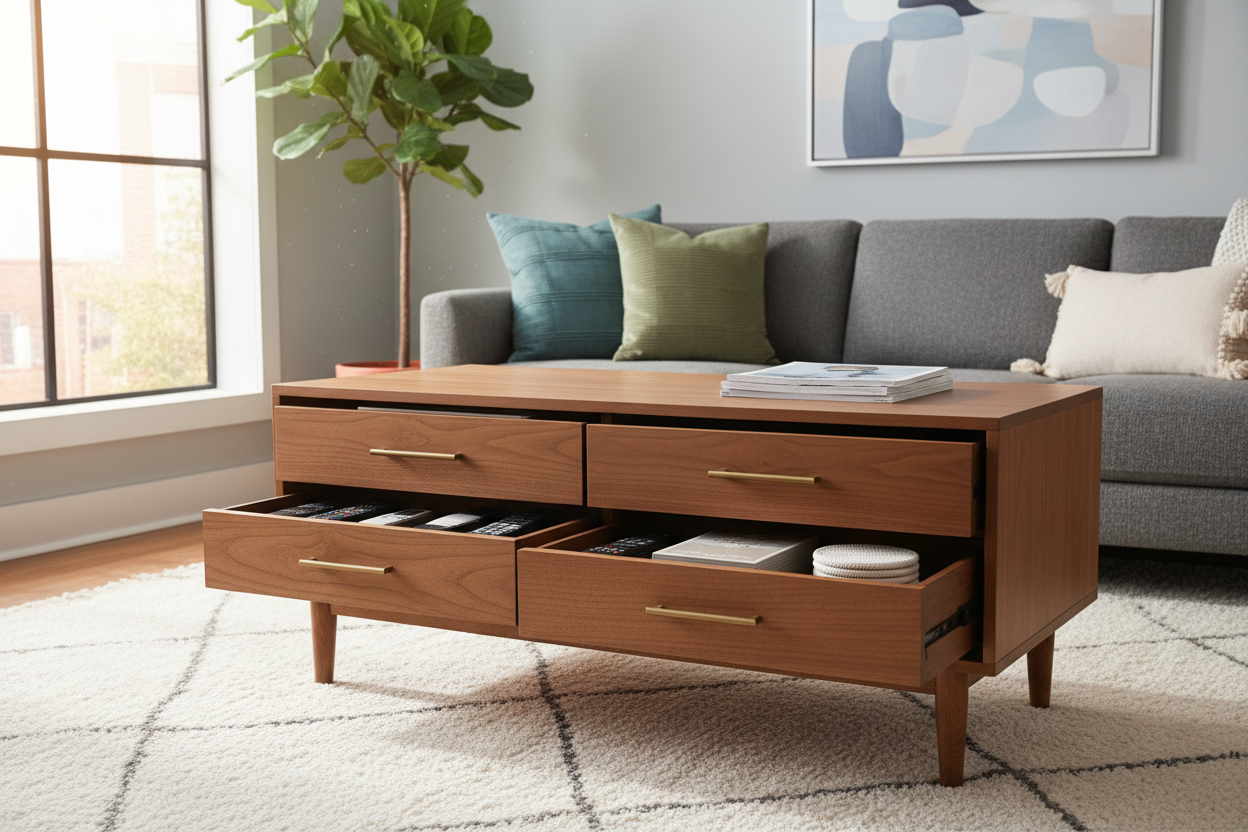
Last spring, I found myself constantly frustrated by the clutter around my living room. Remote controls, magazines, coasters, and charging cables seemed to multiply overnight. That's when I discovered that a small accent table with drawer could solve my storage nightmare while actually making my space look better. The transformation was immediate—suddenly everything had a home, and my room felt twice as spacious.
An accent table with drawers serves as the perfect middle ground between pure decoration and practical furniture. Unlike standard side tables that offer only surface space, these pieces give you hidden storage that keeps your room looking clean while maintaining easy access to everyday items. The drawer component changes everything about how you use the furniture.
What Makes Accent Tables with Drawers Different
The defining feature is obvious—storage that doesn't compromise style. Traditional accent tables might look elegant, but they force you to keep items on display or find storage elsewhere. When you add drawers to the equation, you're working with furniture that multitasks without looking utilitarian.
These tables typically range from single-drawer designs to models with two or three compartments. The drawer depth varies considerably depending on the table's overall dimensions. Some are shallow, perfect for storing flat items like notepads or remotes. Others offer deeper storage that can accommodate books, tablets, or even small blankets.
The construction quality matters more than you might expect. I learned this the hard way with my first purchase—a budget model where the drawer stuck every single time I tried to open it. Look for dovetail joints or solid wood construction in the drawer box itself. Metal glides make a huge difference in how smoothly the drawer operates, especially if you'll be opening it multiple times daily.
Choosing the Right Size for Your Space
A small accent table with drawer works beautifully in tight spaces where every inch counts. These compact versions usually measure between 12 to 18 inches wide, making them ideal for narrow hallways, small bedrooms, or apartment living rooms. Despite their modest footprint, they still provide surprising storage capacity.
I placed a 15-inch model in my entryway, and it holds my keys, sunglasses, dog leash, and a whole drawer full of miscellaneous items I need when heading out the door. The surface displays a small lamp and a decorative bowl—simple, functional, and it takes up less space than my old console table did.
Medium-sized options (20 to 26 inches) offer more versatility. They work as end tables beside sofas, nightstands in bedrooms, or display surfaces in dining rooms. The larger drawer capacity means you can store bulkier items or dedicate the space to specific purposes—one drawer for electronics, another for reading materials.
Placement Strategies That Actually Work
The beauty of accent table drawers lies in their adaptability to different rooms. In living spaces, position them within arm's reach of seating areas. This placement makes them genuinely useful rather than just decorative. You'll actually use that drawer for remotes, reading glasses, or coasters instead of letting things pile up on the sofa.
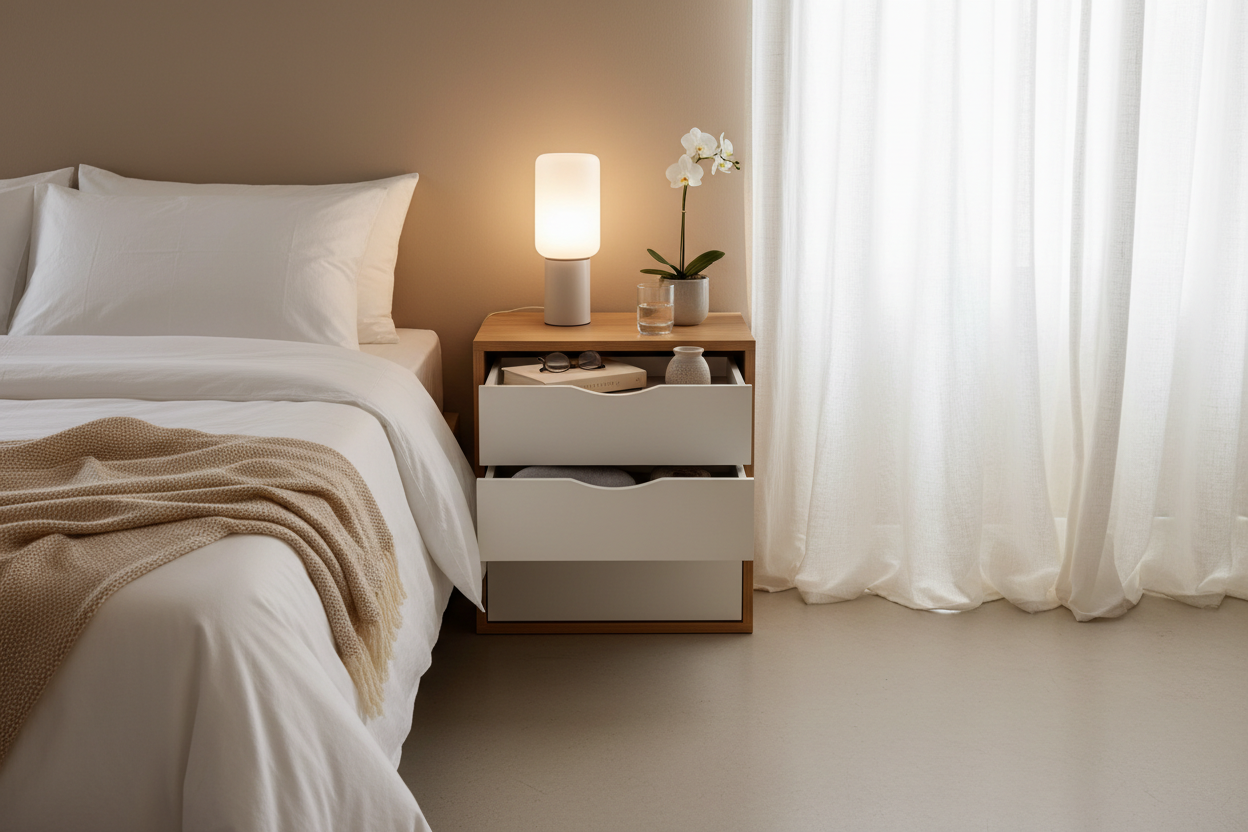
Bedrooms benefit enormously from these tables as nightstand alternatives. The drawer keeps personal items, medications, or electronics out of sight while the surface holds a lamp, phone, and water glass. This setup creates a cleaner visual environment that genuinely helps with sleep quality—no joke, the reduced visual clutter made a noticeable difference for me.
Entryways and hallways represent prime real estate for small accent tables with drawers. These transitional spaces need furniture that doesn't obstruct traffic flow while providing quick-access storage. A narrow table with a drawer becomes a catch-all for mail, keys, and seasonal accessories like gloves or sunscreen.
Material and Style Considerations
Wood remains the most popular material, and for good reason. Solid wood accent tables with drawers offer durability and timeless appeal. Oak, walnut, and pine each bring different character—oak has prominent grain patterns, walnut delivers rich color, and pine offers a lighter, more casual feel.
Metal and glass combinations create contemporary looks that work in modern spaces. These designs often feature metal frames with wood or glass drawers, resulting in furniture that feels light and airy. The transparency or reflective qualities help small rooms feel more open.
Painted finishes open up endless color possibilities. White or cream tables brighten spaces and work with virtually any decor scheme. Navy, black, or gray options add sophistication and hide wear better than lighter colors. I've seen distressed paint finishes that add farmhouse charm, though they're not for everyone.
Hardware Details That Matter
Drawer pulls and knobs might seem like minor details, but they significantly impact both function and appearance. Larger pulls are easier to grip and operate, especially if you have arthritis or hand mobility issues. Knobs create a more traditional look, while bar pulls lean contemporary.
The finish on hardware should coordinate with other metal elements in the room—light fixtures, picture frames, or door handles. Mixing metals can work, but it requires intentionality. Matching your accent table drawer hardware to existing finishes creates visual cohesion without thinking too hard about it.
Maximizing Your Drawer Space
The drawer in your accent table becomes infinitely more useful with basic organization. Small trays or dividers prevent items from sliding around and creating chaos. I use a simple bamboo organizer in mine—it cost maybe eight dollars and makes finding things so much easier.
Think vertically when possible. Stacking coasters, using standing file organizers for notebooks, or storing charging cables in small containers maximizes the available space. The goal is making everything visible at a glance rather than digging through layers of stuff.
Seasonal rotation keeps these drawers functional year-round. Summer might mean sunscreen and bug spray live in the drawer, while winter calls for lip balm and hand warmers. This approach prevents the drawer from becoming a junk collector that you avoid opening.
Common Mistakes to Avoid
Buying based solely on appearance leads to regret. That gorgeous table might have a drawer that's only two inches deep—basically useless for anything except flat papers. Always check dimensions, not just the table's footprint but the actual drawer measurements.
Ignoring the room's traffic patterns causes problems. An accent table placed where people naturally walk creates a collision hazard and means you'll never actually use it. The furniture should enhance flow, not impede it.
Overlooking assembly requirements has surprised many buyers. Some accent tables arrive fully assembled, others require significant construction. Read reviews specifically mentioning assembly difficulty if you're not handy with tools or don't have patience for furniture building.
FAQ
How much weight can accent table drawers typically hold?
Most quality accent table drawers support 10 to 15 pounds when properly constructed with metal glides and solid joinery. Cheaper models with plastic components might only handle 5 to 8 pounds safely. Always check manufacturer specifications, and avoid overloading drawers with heavy items like large books or tools, which can damage the glides or cause the drawer front to separate.
Can I use an accent table with drawers as a nightstand?
Absolutely—accent tables with drawers make excellent nightstands, especially in smaller bedrooms. Look for tables between 24 to 28 inches tall to align properly with standard mattress heights. The drawer provides perfect storage for items you want accessible but not visible, like medications, electronics, or personal items.
What's the easiest way to fix a sticking drawer?
Start by removing the drawer completely and cleaning the glides with a dry cloth to remove dust and debris. Rub a white candle or bar of soap along the drawer glides—this creates lubrication without the mess of oils. If the drawer still sticks, check whether humidity has caused wood swelling; a dehumidifier in the room often solves this problem within a few days.

Leave a comment
This site is protected by hCaptcha and the hCaptcha Privacy Policy and Terms of Service apply.