










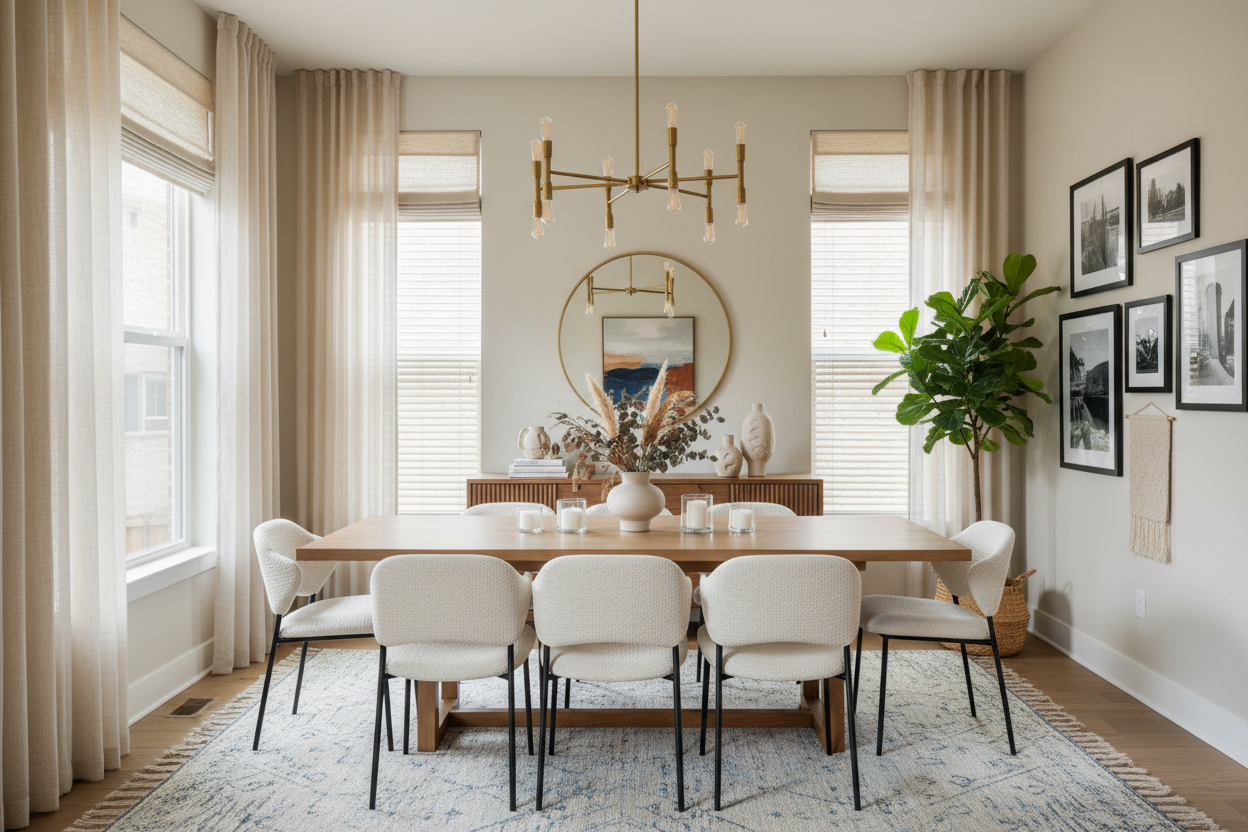
The right storage piece can transform a dining room from cluttered chaos into an organized, elegant space. Whether you're considering a sideboards table, a multi-functional buffet sideboard table, or trying to decide between a buffet or console table, understanding how these pieces work in your home makes all the difference between a smart purchase and an expensive mistake.
I learned this the hard way when I bought what I thought was the perfect sideboard for my dining room, only to realize it was too shallow to hold my serving platters and too tall to hang artwork above. That expensive lesson taught me to look beyond aesthetics and consider how these furniture pieces actually function in daily life.
Understanding the Sideboard Family
The terms get thrown around interchangeably, but there are subtle differences worth knowing. A traditional sideboard typically stands between 34-38 inches tall—roughly the height of a dining table—making it perfect for serving food during gatherings. The depth usually ranges from 18-24 inches, providing substantial storage without overwhelming the room.
Buffet and sideboard tables share similar DNA, though buffets tend to be slightly taller and were historically designed specifically for displaying and serving food. The distinction has blurred over time, and most furniture retailers now use the terms interchangeably. What matters more than the name is whether the piece serves your specific needs.
A sideboard console buffet represents a hybrid approach—combining the storage capacity of a sideboard with the slimmer profile of a console table. These work beautifully in homes where space is at a premium but storage needs remain high. The narrower depth (typically 12-16 inches) means you can place one in a hallway, behind a sofa, or in a smaller dining area without creating a traffic jam.
Choosing Between Similar Options
The debate between a buffet and side table often comes down to your lifestyle and entertaining habits. Side tables offer flexibility and can be moved around as needed, while buffets provide dedicated storage and a permanent serving station. If you host dinner parties regularly, a buffet gives you a designated spot to set out dishes, keep extra napkins handy, and store your good china between uses.
Console tables occupy an interesting middle ground. They're taller than coffee tables but often lack the deep storage of traditional sideboards. A buffet or console table decision usually hinges on your room's dimensions and primary function. Console tables excel in narrow spaces—entryways, hallways, or behind sofas—while buffets demand more floor space but reward you with significantly more storage.
The Wall Unit Advantage
A buffet wall unit takes the concept further by incorporating vertical storage. These comprehensive systems combine lower cabinet storage with upper shelving or glass-front display cases. They're particularly valuable in homes lacking built-in storage or formal dining rooms that need to make a statement.
The vertical element changes the room's visual dynamic entirely. Instead of furniture that hugs the floor, a wall unit draws the eye upward, making ceilings feel higher and creating opportunities to display collections, family photos, or decorative items that would otherwise sit in boxes.
Practical Considerations That Actually Matter
Beyond style preferences, several functional factors determine whether a piece will work in your space. Door clearance matters more than most people realize. Measure not just the width of your doorways but also consider the path from your front door to the final destination. I've watched delivery crews struggle with a beautiful buffet that technically fit through the door but couldn't navigate the turn into the dining room.
Interior storage configuration deserves careful attention. Adjustable shelves offer flexibility as your needs change, while fixed shelves might limit what you can store. Drawers with full-extension glides let you access items in the back without removing everything in front—a small detail that makes daily use significantly easier.
The material and finish impact both durability and maintenance. Solid wood offers longevity and can be refinished if damaged, but comes with a higher price tag and sensitivity to humidity changes. Veneered pieces provide the look of wood at lower cost, though deep scratches can be harder to repair. If you have young children or pets, consider darker finishes or distressed styles that hide minor scuffs and scratches.
Styling Your Storage Piece
Once you've selected the right buffet sideboard table, styling it properly maximizes both function and visual appeal. The surface shouldn't become a catch-all for mail and keys, but it also shouldn't look like a furniture showroom display that's off-limits to real life.
A practical approach layers function with aesthetics. Keep frequently used items in the cabinets or drawers—extra napkins, candles, serving utensils—while the top surface holds a few carefully chosen decorative elements. A lamp provides ambient lighting for evening gatherings. A tray corrals smaller items and makes the surface easier to clear when you need the full space for serving.
Artwork or a mirror above the piece anchors it visually to the wall and completes the vignette. The general rule suggests hanging art so its center sits at eye level, typically 57-60 inches from the floor. With a 36-inch tall sideboard, that puts the bottom of your artwork about 4-6 inches above the furniture surface—close enough to feel connected but with breathing room between.
Making the Investment Worthwhile
Quality buffet and sideboard tables represent a significant investment, often ranging from several hundred to several thousand dollars. Protecting that investment means thinking beyond the initial purchase to long-term care and placement.
Direct sunlight fades finishes over time, particularly on wood pieces. If your dining room has large windows, consider UV-filtering window treatments or position the sideboard away from direct sun exposure. Humidity fluctuations cause wood to expand and contract, potentially leading to cracks or warping. Maintaining relatively consistent indoor humidity—ideally between 40-55%—helps preserve wood furniture.
The placement within your room affects both functionality and longevity. Leave at least 24 inches of clearance between the sideboard and your dining table so chairs can pull out comfortably and people can move around during meals. If the piece has doors or drawers, ensure they can open fully without hitting walls, windows, or other furniture.
When Standard Options Don't Fit
Sometimes your space or needs fall outside what standard furniture offers. Custom or semi-custom options cost more but deliver exactly what you need. Built-in units maximize awkward spaces and can incorporate specific storage for your belongings—wine bottle slots, plate racks sized to your dinnerware, or shallow drawers for flatware.
Before committing to custom work, explore modular furniture systems that let you combine components. Several manufacturers offer mix-and-match pieces where you select base cabinets, drawer units, and hutch tops separately, creating a personalized configuration at a lower cost than fully custom furniture.
Frequently Asked Questions
What's the difference between a sideboard and a credenza?
Credenzas typically have no legs or very short legs, sitting closer to the floor with a longer, lower profile. Sideboards usually have visible legs and stand taller. Both provide similar storage functions, but credenzas work better in modern or contemporary spaces while sideboards suit traditional or transitional rooms.
How deep should a dining room buffet be?
Most dining room buffets measure 20-24 inches deep, providing enough space for large serving platters and dinner plates stored vertically. If space is limited, you can go as shallow as 16 inches, but you'll sacrifice some storage capacity and may not fit larger items comfortably.
Can I use a sideboard in rooms other than the dining room?
Absolutely. Sideboards work beautifully as TV stands in living rooms, storage for linens in hallways, or even as bathroom vanities in larger bathrooms. The versatile storage and counter space adapt to whatever you need, making them valuable throughout your home.


Leave a comment
This site is protected by hCaptcha and the hCaptcha Privacy Policy and Terms of Service apply.