










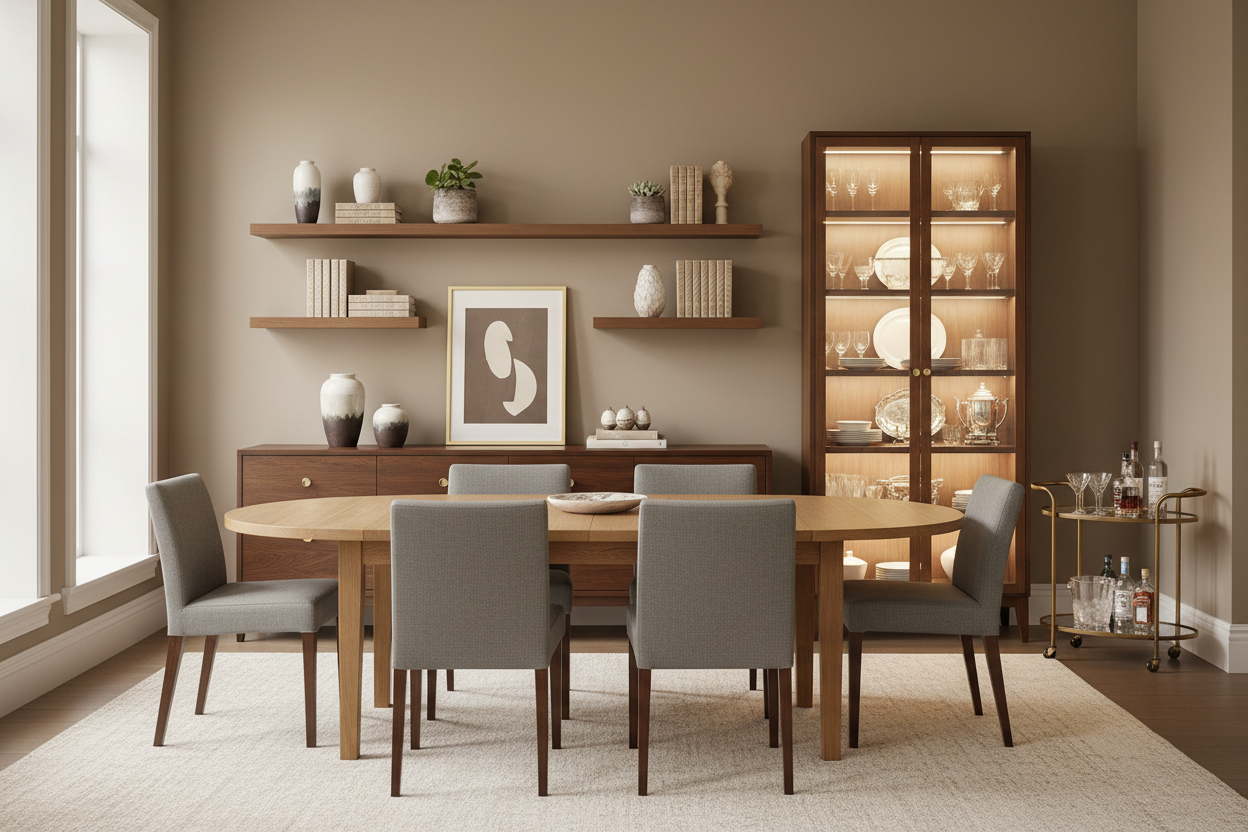
If you've ever found yourself shoving extra dishes into kitchen cabinets or hiding table linens in random closets, you already know the problem. Dining rooms need dedicated storage that actually works with the space, not against it. That's where the often-confused world of sideboards and cabinets comes in—and yes, there's a real difference worth understanding.
A sideboard cabinet with storage serves as the backbone of any well-organized dining area. These pieces combine the low profile of traditional sideboards with the enclosed storage of cabinets, giving you the best of both worlds. Unlike open shelving that collects dust or purely decorative furniture that offers little function, these hybrid pieces keep your dining essentials accessible yet hidden from view.
Understanding What Makes a Cabinet and Sideboard Different
The terms get thrown around interchangeably, but there are subtle distinctions. Traditional sideboards originated as serving tables in dining rooms—long, relatively low pieces with some storage underneath. Cabinets, on the other hand, prioritize enclosed storage above all else. Modern furniture has blurred these lines completely, which is actually good news for anyone shopping today.
When you see a piece labeled as both a sideboards cabinet, manufacturers are typically describing furniture that maintains the horizontal proportions of a sideboard while incorporating the full cabinet doors and shelving you'd expect from dedicated storage furniture. These pieces usually sit at around 30-40 inches tall, making them perfect for displaying items on top while storing everything else inside.
What to Actually Store in These Things
I learned this the hard way after buying a beautiful piece that sat mostly empty for six months. The problem wasn't the furniture—it was my failure to think through what actually belonged there. A sideboard with cabinet space works best when you dedicate it to items you use regularly but don't need every single day.
Table linens, seasonal dishware, serving platters, and extra glassware all find natural homes here. The top surface handles your everyday needs—a coffee station, decorative items, or a landing spot for serving dishes during meals. Inside, adjustable shelving lets you customize the space as your needs change.
Wine storage has become increasingly common in these pieces too. Some cabinet buffet designs include built-in wine racks or stemware holders, though you can always add these accessories separately if your piece doesn't come with them.
Size and Proportion Matter More Than You Think
Here's something nobody tells you until you've already made the mistake: a sideboard that's too small looks like an afterthought, while one that's too large dominates the room in all the wrong ways. The general rule suggests your sideboard should be at least half the length of your dining table, but this isn't set in stone.
Room shape plays a bigger role than most guides acknowledge. Long, narrow dining rooms often benefit from longer, lower pieces that emphasize the room's natural lines. Square or nearly-square rooms can handle deeper cabinets that might feel too bulky in a galley-style space.
Material Choices That Actually Hold Up
Solid wood remains the gold standard, but modern engineered woods have come remarkably far. The real test isn't what the piece is made from—it's how well it's constructed. Dovetail joints, soft-close hinges, and adjustable shelving separate furniture that lasts from pieces you'll replace in five years.
Pay attention to the finish too. Dining rooms see more temperature fluctuation and humidity than you might expect, especially if the space connects to a kitchen. Sealed finishes protect against water rings and heat damage, which matters more than the specific wood species in most cases.
The Cabinet Buffet Versus Traditional Sideboard Debate
A cabinet buffet typically offers more vertical storage than a standard sideboard, sometimes incorporating hutch-like upper cabinets or display areas. This makes them ideal for formal dining rooms where you want to showcase china or collectibles. The trade-off? They create a more substantial visual presence in the room.
If your dining room doubles as a workspace, homework station, or general household hub, the extra storage of a full cabinet buffet might be worth the visual weight. Families with young children often appreciate having more enclosed storage to keep breakables safely out of reach.
Making It Work With Your Actual Life
The prettiest sideboard cabinet with storage means nothing if it doesn't fit how you actually live. Be honest about your habits. If you never use table linens, don't dedicate three drawers to them. If you host frequently, prioritize serving dish storage over decorative display space.
Consider traffic flow too. A piece that juts into the room might look perfect against the wall but creates a bottleneck when people need to move around the table. Leave at least 36 inches of clearance between the sideboard and table for comfortable passage.
Styling Without Overthinking It
The top of your sideboard doesn't need to look like a magazine spread. A simple approach works better: something tall (a lamp or vase), something medium (framed photos or a small plant), and something low (a decorative bowl or stack of books). Odd numbers tend to look more natural than even groupings.
Rotate items seasonally if you enjoy decorating, but don't feel obligated. An empty surface is better than a cluttered one that stresses you out every time you walk past it.
When to Splurge and When to Save
Construction quality deserves your budget more than brand names. A well-made piece from a lesser-known manufacturer will outlast a poorly constructed designer item every time. Check drawer glides, door alignment, and shelf stability in person if possible.
That said, if you're choosing between a sideboard with cabinet doors that close smoothly and one where you have to slam them shut, the extra cost for quality hardware pays off immediately. You'll interact with those doors dozens of times per week—make sure they work properly.
Delivery and assembly services might seem like unnecessary expenses, but large furniture pieces can be genuinely difficult to maneuver. If you're not confident in your ability to get a 200-pound cabinet up a flight of stairs and through a doorway, professional help prevents both injury and damage.
Frequently Asked Questions
Can a sideboard work in a small dining room?
Absolutely, but choose a narrower depth—around 14-16 inches instead of the standard 18-20 inches. This maintains storage functionality while preserving walking space. Look for pieces with doors rather than drawers, as they don't require extra clearance to open.
How do I keep the cabinet interior organized?
Use shelf dividers for plates and serving platters to prevent stacking disasters. Small bins or baskets corral loose items like napkin rings or candles. Label shelves if multiple people access the cabinet—it sounds excessive, but it prevents the inevitable "where did you put the serving spoons" conversations.
Should the sideboard match my dining table?
Matching sets can look coordinated, but mixing finishes and styles often creates more visual interest. The key is maintaining a consistent level of formality—a rustic farmhouse table looks odd with an ultra-modern lacquered cabinet. Stay within the same general style family, and you'll be fine.

Leave a comment
This site is protected by hCaptcha and the hCaptcha Privacy Policy and Terms of Service apply.