










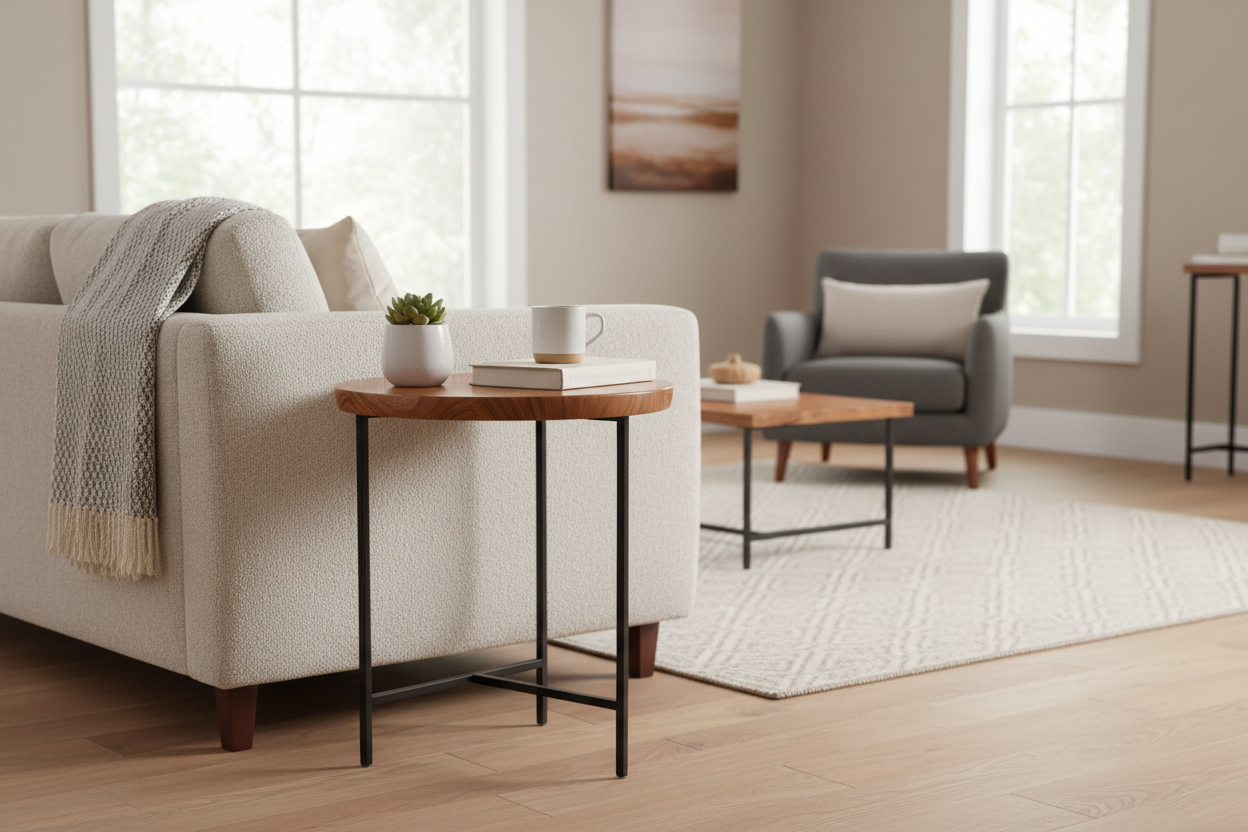
There is something inherently grounding about natural materials. When you walk into a living space, your eyes might be drawn to the sofa or the art on the walls, but your comfort often relies on the smaller, functional pieces. The side table with wood top is a staple in interior design for exactly this reason. It bridges the gap between utility and aesthetic warmth, offering a sturdy surface for your coffee mug while adding a touch of organic texture to the room. Unlike glass or pure metal, wood breathes life into a corner, softening the often hard lines of modern architecture.
Selecting the right accent furniture isn't just about filling a gap next to the armchair. It requires balancing scale, material, and everyday function. Whether you are leaning towards a rustic farmhouse vibe or a sleek mid-century modern look, the surface material dictates how the piece ages and how it feels to the touch. A wood top side table offers a tactile quality that synthetic materials simply cannot replicate, developing a patina over time that tells the story of your home.
A Lesson Learned in Material Quality
My appreciation for genuine timber surfaces comes from a specific design mistake I made years ago. I was furnishing a small reading nook and decided to save money by purchasing a trendy-looking table with a printed laminate surface that mimicked walnut. From a distance, it looked fine. However, within six months of daily use—setting down hot tea, dropping keys, and the occasional water spill—the edges began to peel, and the "wood" grain started to wear off, revealing particle board underneath.
I eventually replaced it with a solid oak side table with wood top and a simple black metal base. The difference was immediate. Not only did the weight of the piece make it feel more permanent, but the surface also handled life better. A small scratch from a ceramic coaster didn't ruin it; it just blended into the grain. That experience taught me that while the base can be anything from brass to iron, the top surface is where the interaction happens, and investing in real wood or high-quality veneer changes the entire experience of the furniture.
Solid Wood vs. Veneer: Making the Right Choice
When shopping, you will encounter two main categories: solid wood and wood veneer. Understanding the difference is vital for gauging durability and price.
Solid wood is exactly what it sounds like. The top is cut from lumber. These tables are generally heavier, more expensive, and can be sanded down and refinished if they get damaged. However, solid wood is a living material. It expands and contracts with humidity changes, which is why you often see these tops paired with floating bases or specific joinery to prevent cracking.
Veneer, on the other hand, consists of a thin slice of premium hardwood glued onto a stable core like MDF or plywood. Don't dismiss veneer as low quality. In fact, many high-end mid-century pieces use veneer because it allows for beautiful, consistent grain patterns (like book-matching) that are impossible with solid planks. A wood top side table made with high-grade veneer is less prone to warping than solid wood, making it a smart choice for homes with fluctuating temperatures. The downside is that you cannot sand it down deeply if it gets scratched, as you might sand through the wood layer.
Pairing Wood Tones with Your Existing Decor
One of the most common anxieties people have is mixing wood tones. There is an outdated rule that all wood in a room must match perfectly. This often leads to a flat, showroom-like appearance. A side table is actually the perfect opportunity to break this rule and introduce contrast.
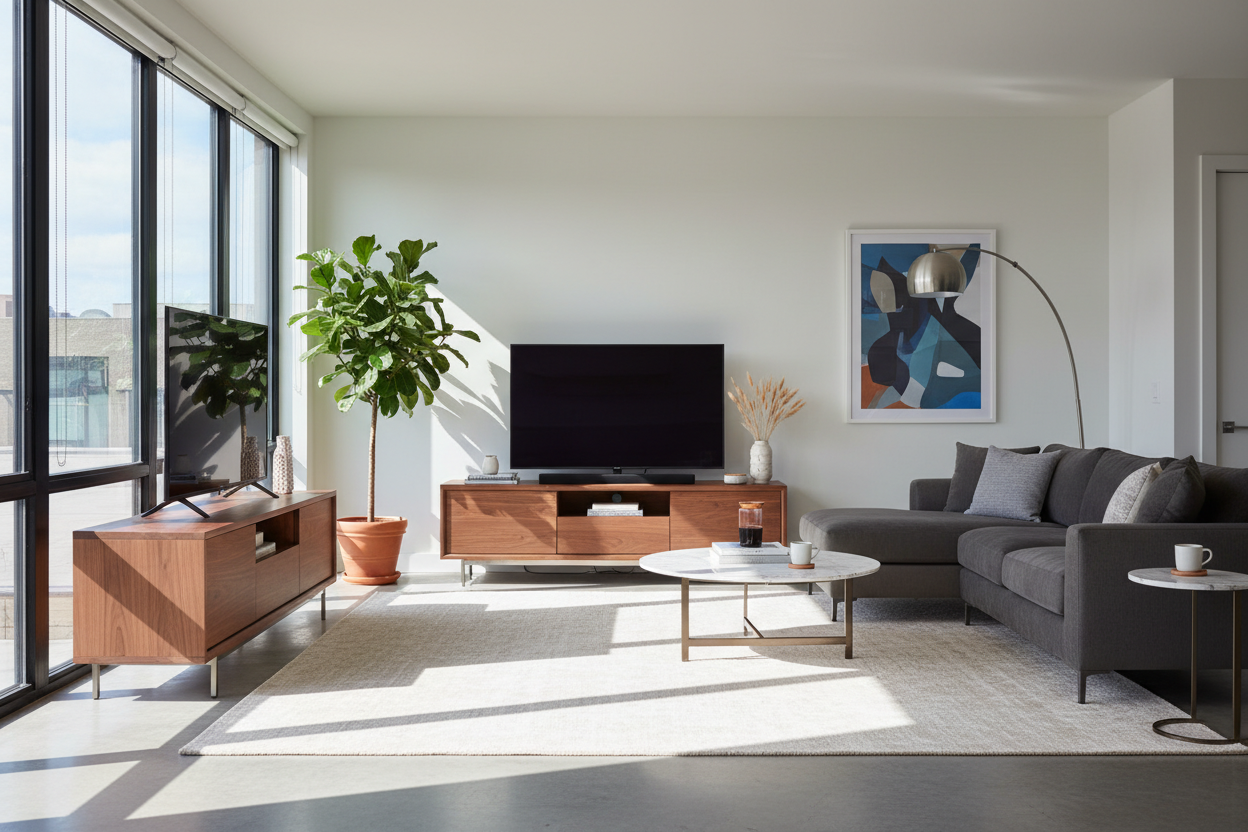
If you have light oak flooring, consider a walnut or dark-stained wood top side table. The contrast prevents the furniture from disappearing into the floor. Conversely, if your room is filled with dark, heavy furniture, a lighter maple or birch top can act as a highlight, brightening the space. The goal is coordination, not matching. Look for undertones. If your existing wood furniture has warm, reddish undertones (like cherry or mahogany), stick to side tables that share that warmth, even if the darkness level varies.
The Interplay of Materials: Bases Matter
The beauty of these tables often lies in the juxtaposition between the top and the base. The base dictates the style genre. A slab of raw-edge acacia wood sitting on hairpin legs screams industrial or mid-century modern. That same slab of wood resting on a thick, painted wooden plinth feels more traditional or cottage-core.
Metal bases are particularly popular because they reduce visual clutter. A thin iron frame allows light to pass through, making a small room feel larger, while the wood top provides the necessary visual weight to anchor the piece. If you want a more cohesive, monolithic look, a table made entirely of wood (legs and top) offers a sculptural element. These tend to feel heavier and more substantial, working well in larger rooms where the furniture needs to command space.
Sizing and Placement for Functionality
A beautiful table is useless if it is awkward to use. The height of your side table with wood top is critical. Ideally, the surface should sit at or just below the arm of the sofa or chair it serves. If it is too high, you risk knocking things over with your elbow. If it is too low, reaching for your drink becomes a chore.
Surface area is the next consideration. If the table is meant to hold a lamp, a stack of books, and a drink, you need a diameter or width of at least 20 to 24 inches. If it is purely for a single drink or a phone, a smaller "drink table" with a 10 to 12-inch diameter is sufficient and can be tucked easily into tight corners.
Care and Maintenance of Natural Tops
Owning a natural surface requires a small amount of stewardship. Wood is porous. Even with a sealant, standing water is the enemy. Using coasters is the easiest way to preserve the finish. If you do spill, wipe it up immediately.
Sunlight is another factor. UV rays will change the color of wood over time. Cherry wood gets darker, while walnut often lightens. If you keep a lamp or a stack of books in the same spot on your table for years, you will eventually find a "shadow" where the wood underneath hasn't aged at the same rate as the exposed surface. Rotating your accessories every few months helps the wood top side table age evenly.
For unsealed or oiled wood, applying a fresh coat of furniture oil or wax once a year keeps the grain nourished and repels moisture. For lacquered or polyurethane-finished tops, a simple wipe with a damp cloth is usually all that is needed. Avoid harsh chemical cleaners, which can strip the finish and leave the wood vulnerable.
The Long-Term Value
Plastic and laminate furniture often end up in landfills once they crack or peel. Wood, however, is repairable and resilient. A well-made side table can survive moves, design changes, and family life. It might acquire a few dents or rings along the way, but these imperfections often add character rather than ruining the piece. Choosing a table with a quality timber top is an investment in longevity, ensuring your living space feels curated and comfortable for years to come.
Frequently Asked Questions
How do I fix a white water ring on my wood side table?
White rings usually indicate moisture is trapped in the finish, not the wood itself. You can often remove them by gently applying dry heat with a hair dryer on a low setting or by rubbing the spot with a mixture of baking soda and toothpaste. For oil-finished tables, applying fresh oil often resolves the issue.
Does the side table wood need to match the coffee table?
No, they do not need to match. In fact, having a coffee table and side tables in the exact same wood and style can make a room look like a generic catalog set. Mixing woods or materials (like a glass coffee table with wood side tables) creates a more layered, professionally designed look.
What is the standard height for a side table?
Most side tables range between 22 and 30 inches in height. The best rule of thumb is to choose a table that is within two inches of your sofa's arm height. This ensures the most comfortable ergonomic reach when you are seated.

Leave a comment
This site is protected by hCaptcha and the hCaptcha Privacy Policy and Terms of Service apply.