










Understanding the Shallow Profile: When a 20-Inch Depth Fits Best
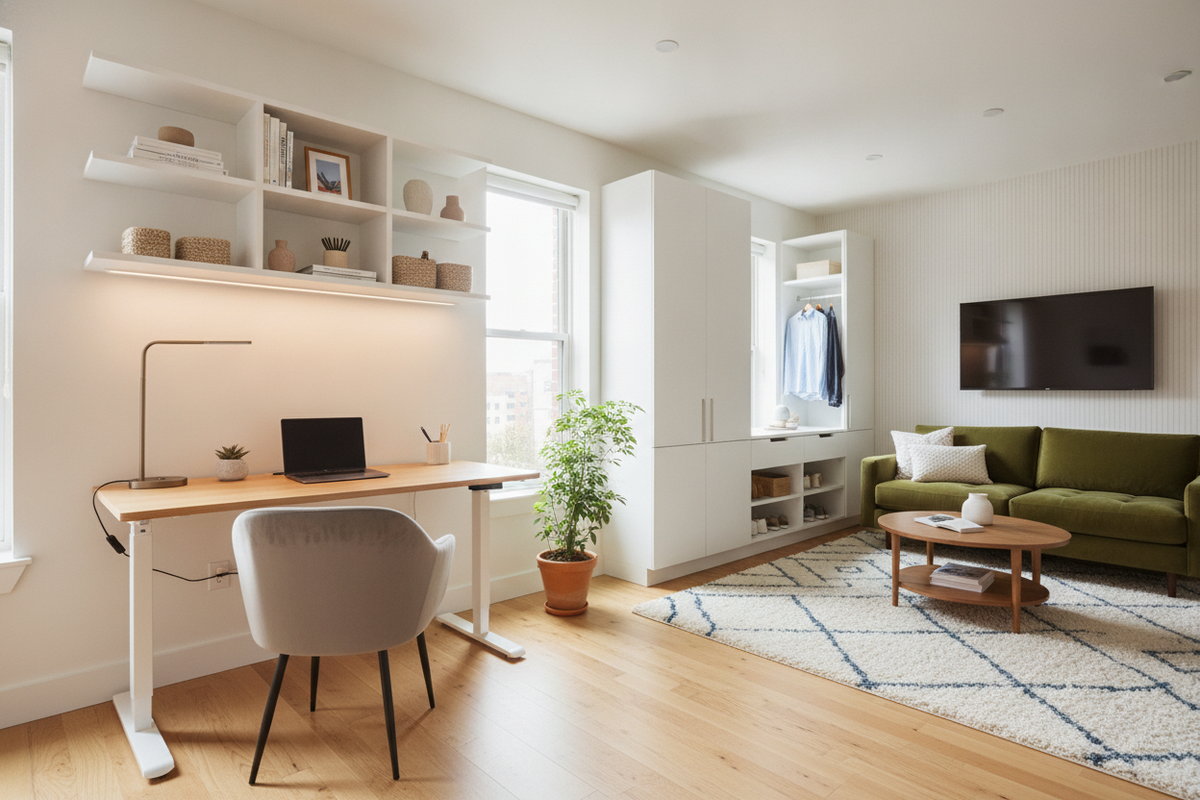
Urban apartments, guest bedrooms, and multipurpose living spaces frequently require versatile work areas that do not encroach on primary traffic lanes. A 20 inch deep standing desk addresses this spatial friction by drastically reducing outward wall projection compared to conventional corporate office surfaces. While deep executive furnishings command considerable floor area, a slender desktop keeps pathways clear and preserves natural sightlines across open layouts.
Integrating an ultra-slim sit-stand surface proves particularly beneficial in transitional zones such as extended hallways, bedroom nooks, and architectural recesses. In these configurations, a desk that protrudes too far into the room can disrupt door swings, block wardrobe access, or crowd seating arrangements. Choosing a shallow profile allows remote professionals to establish an active daily routine without transforming domestic living spaces into rigid corporate suites. For those mapping out alternative footprints across different room styles, exploring a broader standing desk resource can help contextualize how varied geometries support diverse home tasks.
Compact Ergonomics: Managing Focal Depth and Peripheral Work Zones
Working on a slender tabletop presents distinct ergonomic dynamics. Because the front-to-back distance is restricted, screen positioning and arm posture require deliberate planning to avoid cramped conditions or awkward neck angles. When utilizing a narrow standing desk 20 inches from front to back, placing a standard monitor on its factory pedestal often consumes valuable surface area and pulls the screen uncomfortably close to the eyes.
To maintain a comfortable viewing distance, many decorators recommend coupling slim desks with low-profile clamping monitor arms or wall-mounted display plates. Elevating the display above the desktop surface frees the entire work depth for peripheral inputs, notebooks, and reference materials. For users working primarily from slim laptops, pairing the computer with a dedicated keyboard and trackpad helps preserve neutral wrist alignment across both seated and standing heights. Reviewing an operational standing desk guide clarifies how tiny placement miscalculations can impact posture throughout extended working sessions.
Frame Engineering and Stability for Narrow Footprints
Adjustable workstations rely on balanced weight distribution to prevent oscillation during mechanical lifting cycles. Because a shallow surface pulls the user and their equipment closer to the structural core, the engineering of the underlying lifting columns and floor feet is paramount. In general, quality height-adjustable desks pair compact tops with sturdy steel frame bases engineered with proportional bottom runners to prevent front-to-back tilting.
When reviewing compact lifting platforms, examine base leveling glides and crossbar construction. Adjustable feet allow users to eliminate minor rocking caused by uneven floorboards, tile grout lines, or transitions between hard flooring and low-pile rugs. Placing the workstation flush against a sturdy wall surface also offers passive dampening against keyboard strikes while standing. In my experience, taking a few minutes to level the frame glides completely transforms how solid a narrow workstation feels under hand.
Storage Integration: Moving Beyond the Flat Desktop
Because a 20 inch deep standing desk offers modest surface square footage, dedicated organization must move off the primary work board. Piling binders, document trays, and desktop organizers onto a compact top quickly overwhelms the operational surface and reduces focus. A successful compact configuration transfers storage outward and downward rather than crowding the main deck.
Under-desk mobile pedestals, low side cabinets, and vertical wall shelving provide robust storage without constricting knees or foot room. When greater integrated organization is needed alongside corner utility, comparing a straight shallow profile with a dedicated standing desk product reveals how built-in cabinetry provides ample file storage while retaining structured zones. Similarly, users managing extensive archives or multiple hardware peripherals might evaluate whether a static desk product provides the necessary compartmentalized drawers without compromising movement flow.
Aesthetic Harmony and Cable Flow in Compact Quarters
Because shallow workstations are commonly placed in communal rooms, maintaining visual order is essential. Cluttered power supplies, sagging connection cords, and dangling power bricks stand out conspicuously against a slim architectural profile. A disciplined wire management strategy keeps equipment functional while blending seamlessly with surrounding residential decor.
Under-mount cable trays, fabric wire sleeves, and adhesive channeling clips secure power strips directly beneath the desktop frame, ensuring only a single cord descends to the wall receptacle during height changes. Selecting tabletop textures that complement nearby credenzas, bookcases, and wall moldings further integrates the workstation into the overall interior design. Consulting a curated standing desk guide offers additional aesthetic techniques for harmonizing contemporary electronics with warm residential textures.
Decision Checklist: Is a 20-Inch Deep Workstation Right for You?
Determining whether a shallow sit-stand layout aligns with daily work habits requires evaluating room clearances, hardware needs, and daily workflows:
- Hardware Configuration: Best suited for single-laptop setups, ultra-slim displays, or displays secured via monitor mounts. Users with oversized computer towers or deep drafting tablets may require deeper work surfaces.
- Room Clearance: Ideal for shared living rooms, perimeter bedroom walls, or tight alcoves where outward clearance must remain unhindered.
- Storage Strategy: Requires dedicated off-desk organization, such as floating wall shelves or standalone mobile storage caddies, to keep the top clear.
- Visual Presence: Offers a modern, light silhouette that avoids overwhelming small rooms or interfering with interior architectural details.


Dejar un comentario
Este sitio está protegido por hCaptcha y se aplican la Política de privacidad de hCaptcha y los Términos del servicio.