










Understanding the Low Profile Desk: Visual Weight and Functional Footprint
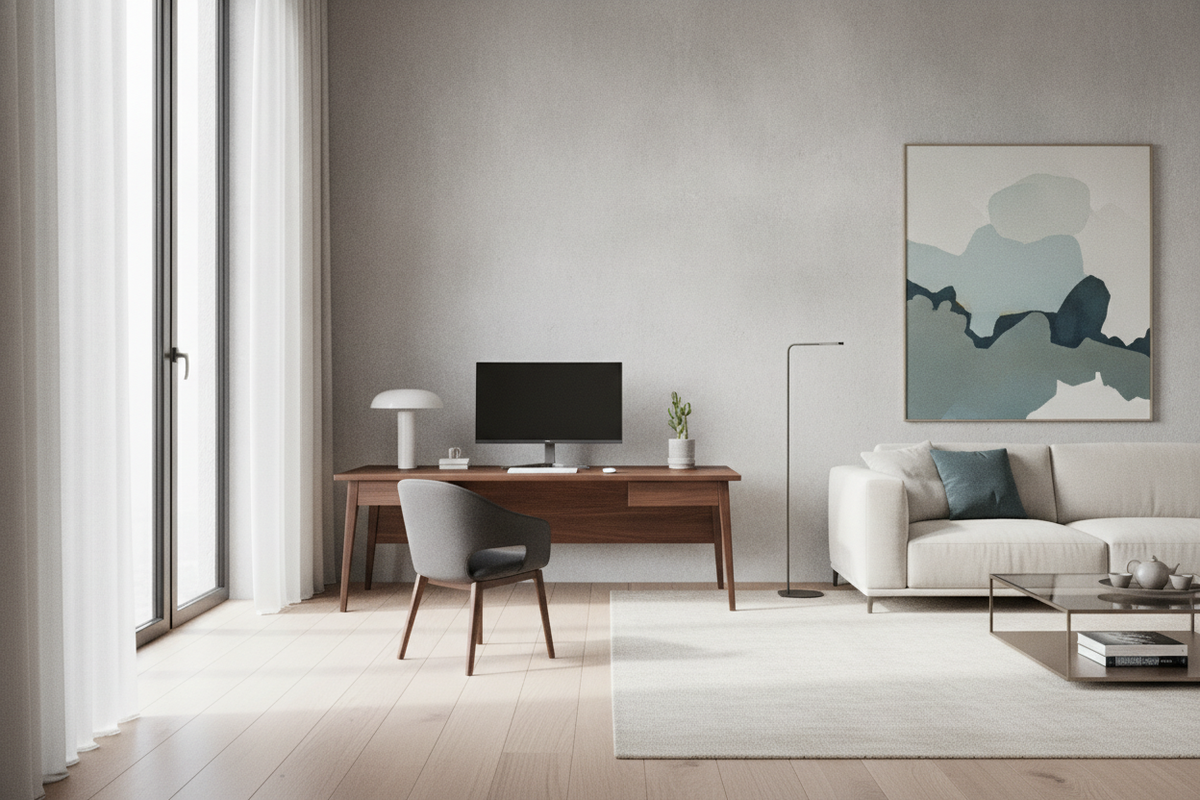
In modern interior layouts, furniture often needs to serve distinct productivity roles without visually dividing or crowding shared spaces. A low profile desk approaches this challenge by reducing bulk above and below the working surface. Rather than anchoring a corner with dense side pedestals or heavy hutches, these workstations prioritize slim profiles, open architectural frameworks, and slender proportions. This design philosophy helps maintain an airy room atmosphere while still supporting daily work tasks.
What Defines a Low Profile Workstation?
A true low profile computer desk is characterized by its visual lightness. While standard office furniture frequently relies on enclosed box cabinetry, a low profile desk typically features open leg assemblies, shallow tabletop profiles, and minimal vertical obstruction. The design emphasizes clean horizontal lines that sit quietly against walls or float effortlessly within open floor plans. The defining feature is not necessarily a miniature desktop area, but rather how lightly the desk sits within the surrounding volume of the room.
Preserving Room Sightlines in Compact and Multi-Purpose Spaces
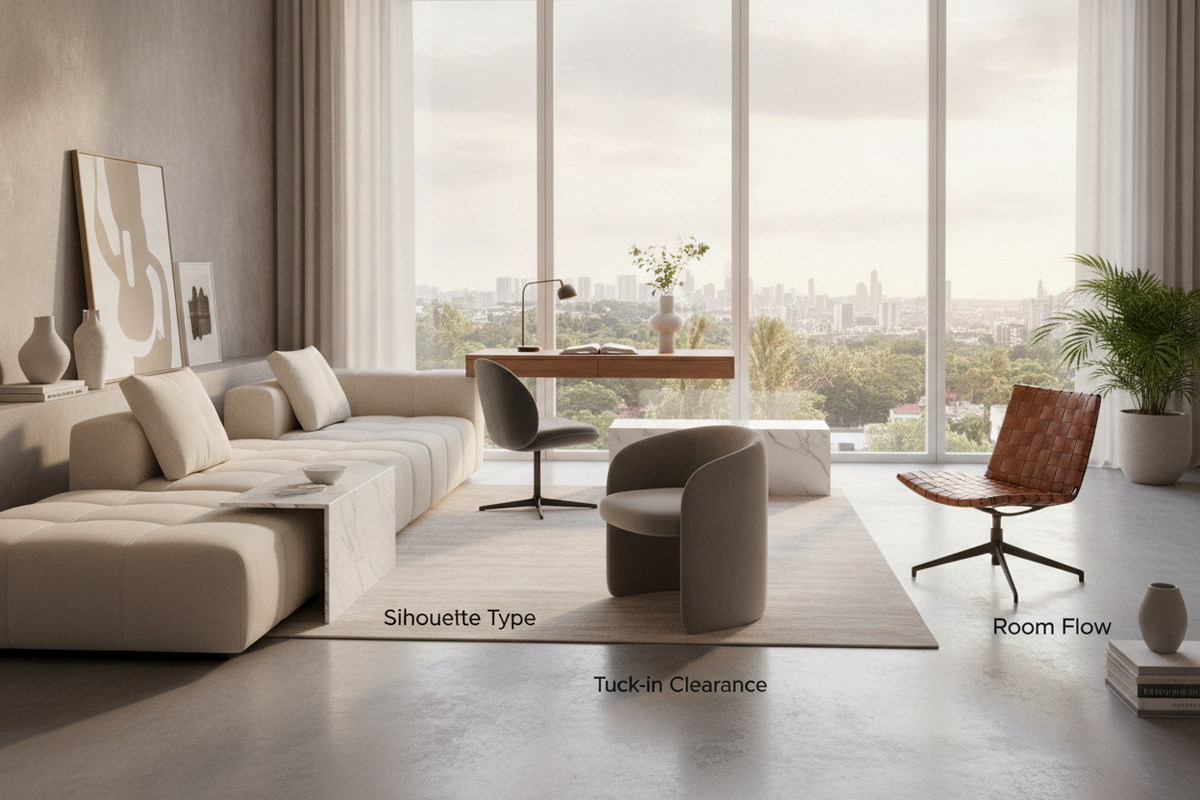
When selecting furniture for apartments, studio layouts, or multi-purpose living areas, sightlines play a critical role in how spacious an environment feels. Heavy office furniture tends to create dark visual stops that interrupt the flow of daylight and make compact rooms feel partitioned. In contrast, incorporating streamlined furniture follows the same design principle explored in our low profile guide for media arrangements: keeping base fixtures sleek and unintrusive allows natural light to travel across the floor, making rooms feel larger and significantly more cohesive.
Dimensional Categories and Proportion Planning
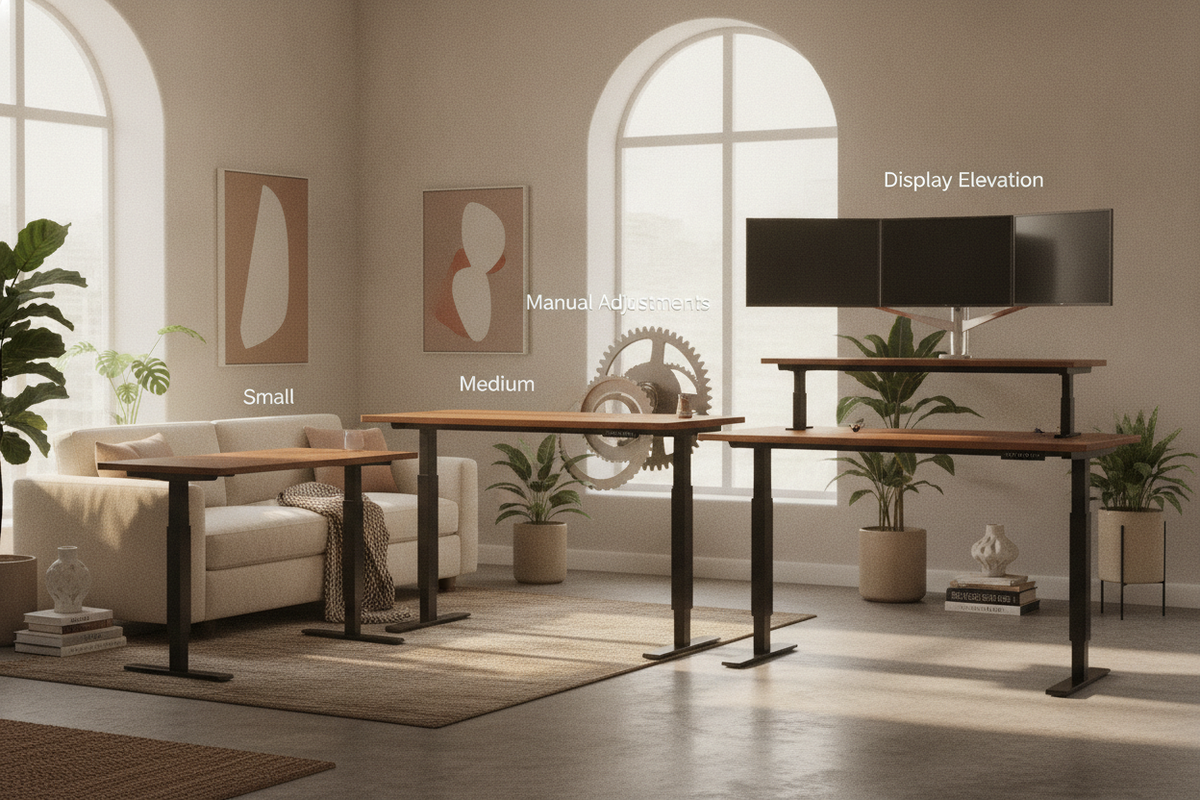
Selecting the right dimensions for a low profile desk requires balancing equipment requirements against physical circulation paths. Choosing a profile that is too deep can intrude upon walkways, while a surface that is too shallow may compromise monitor placement and keyboard comfort.
Ultra-Slim Console Desks for Tight Corridors and Bedrooms
Ultra-slim designs function effectively in transitional zones, such as wide hallways, bedroom alcoves, or entryways where a standard office desk would block movement. These desks are tailored for lightweight laptop use, journaling, or casual administrative work. Because their depth is minimized, they hug the perimeter wall closely, leaving the main thoroughfare unobstructed.
Mid-Depth Low Profile Computer Desks for Everyday Workstations
For dedicated remote work or study, mid-depth low profile desks offer the ideal balance between screen distance and physical footprint. A solid writing surface with a modest depth provides sufficient space to support a laptop, external keyboard, and desktop lighting without requiring heavy cabinetry. For example, opting for an open-base desk computer product ensures a sturdy working platform while preserving the lightweight visual character essential for small-to-medium offices.
Wider Streamlined Spans: Maintaining Open Legroom and Under-Desk Clearance
A low profile computer desk can still offer generous horizontal width without feeling bulky. By extending the surface width while keeping the legs slender and eliminating solid modesty panels, a desk provides ample surface spread for dual displays or active paperwork. This open design preserves unrestricted legroom, allowing chairs with armrests to glide completely under the desktop when not in use.
Storage Strategies Without Adding Visual Clutter
One of the primary trade-offs of minimalist furniture is reduced built-in storage. Maintaining a clean work environment requires deliberate organization strategies that avoid reintroducing clutter onto the desktop.
Shallow Drawers vs. Open Floating Shelves
Many low profile designs incorporate slim, shallow apron drawers directly beneath the desktop. These compartments hold essential daily items like writing utensils, notebooks, and charging cords while maintaining a lean vertical profile. For workspaces requiring access to reference books or decorative accents, pairing an open desk with floating wall shelves draws the eye upward and preserves precious floor area.
Decoupled Storage: Pairing Streamlined Desks with Secondary Cabinets
For individuals with substantial file storage or hardware needs, decoupling the storage from the workstation offers a practical solution. Rather than selecting an integrated pedestal desk, you can maintain an open desk setup while placing supplementary storage nearby. When extra capacity is unavoidable, comparing an open workstation against a dedicated computer desk product with integrated drawers helps determine whether your workflow benefits more from self-contained organization or an open aesthetic.
Cable Routing and Power Concealment on Open-Frame Bases
Because low profile computer desks lack rear modesty panels and enclosed pedestals, cable management requires proactive planning. Power strips and trailing equipment cords can quickly disrupt the clean lines of an open metal or timber base. Using adhesive under-desk cable trays, wire sleeves that track down the rear of a leg, and tabletop grommets keeps cords tidy and out of sight.
Materials, Structural Rigidity, and Base Designs
Because low profile furniture uses less overall material mass, structural integrity depends heavily on quality construction techniques and thoughtful frame geometry.
Steel and Metal Sled Bases: Maximizing Stability with Minimal Bulk
Metal sled bases and powder-coated steel leg frames are common in modern low profile desks. Steel offers exceptional tensile strength, allowing designers to specify slender vertical posts and thin cross-members that resist lateral wobble. Sled bases distribute weight evenly across flooring while presenting an open, floating profile from the front and sides.
Engineered and Solid Wood Surfaces: Warmth, Texture, and Deflection Control
Wooden tops introduce natural warmth and texture into minimalist spaces. When evaluating wooden finishes and build quality, reviewing professional styling insights in our computer desk guide helps illustrate how natural grain pairs with clean metal framing. A properly supported wooden desktop prevents surface sag across wider spans, ensuring longevity without adding visual thickness.
Assembly Considerations: Leveling Glides and Stiffening Aprons
When assembling a lightweight desk, pay close attention to structural reinforcement hardware. Under-table stiffening bars or perimeter aprons prevent surface deflection over time. Adjustable leveling glides on the base of each leg are equally crucial, allowing you to eliminate wobbles caused by uneven flooring or thick area rugs.
Room Integration and Practical Placement Scenarios
The visual versatility of a low profile desk makes it well-suited for spaces where traditional office furniture might look out of place.
Window-Adjacent Workstations and Architectural Recesses
Placing an open-frame low profile desk beneath a window preserves natural light and outdoor views. Because the desk lacks a tall back panel or chunky side supports, it sits cleanly below standard window sills without casting heavy shadows into the room. Architectural niches, chimney-breast recesses, and awkward corners under stairwells can also be transformed into intentional home offices with a slender desk design.
Open-Concept Living Areas: Seamless Transitions into Home Decor
In shared living or dining spaces, a low profile computer desk blends naturally with surrounding residential furniture. Selecting leg finishes that coordinate with coffee tables, dining chairs, or shelving units allows the workstation to read as an integrated design element rather than a utilitarian corporate desk. By prioritizing open space, balanced dimensions, and concealed wiring, a low profile desk delivers an organized, efficient workspace that complements your home.

Dejar un comentario
Este sitio está protegido por hCaptcha y se aplican la Política de privacidad de hCaptcha y los Términos del servicio.