










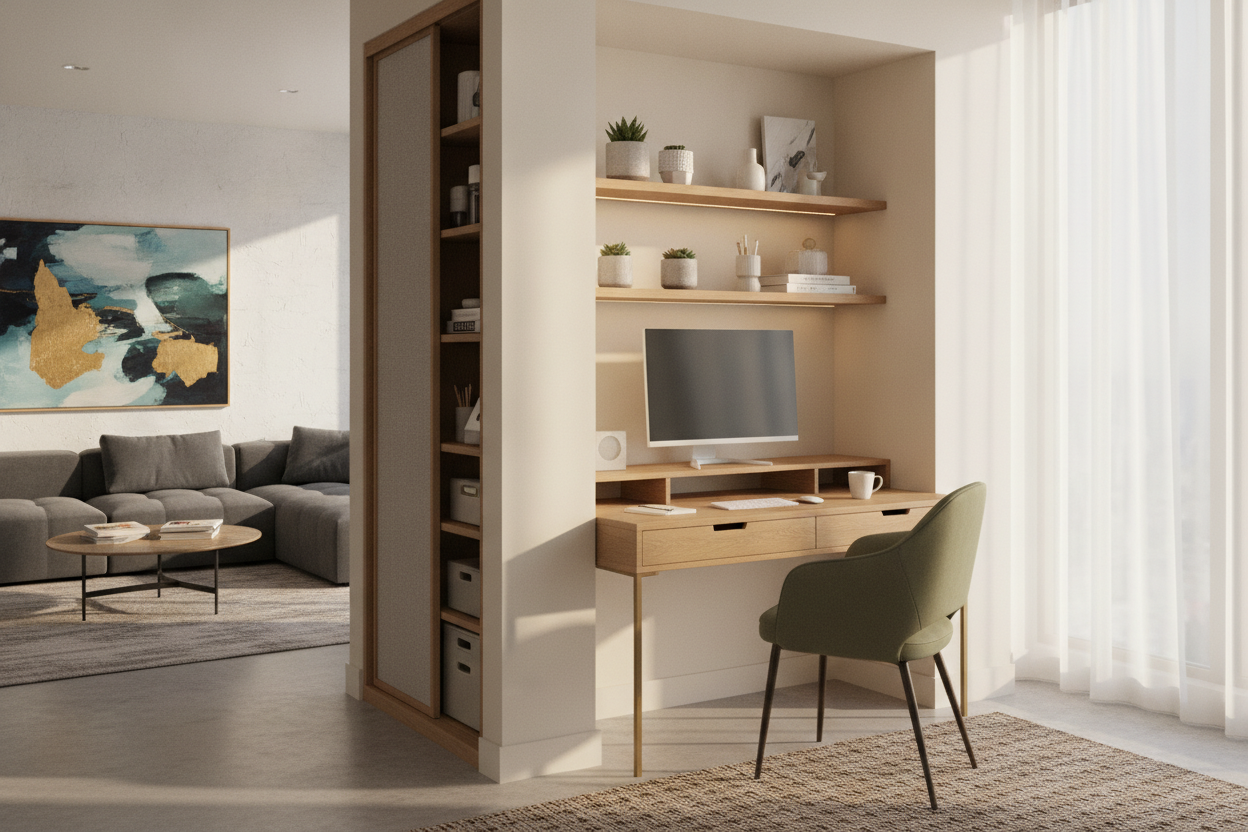
Finding the right balance between a productive work surface and open floor area is one of the most common challenges in modern interior planning. When square footage is limited, a 3 feet desk provides a versatile middle ground. Often referred to as a 36-inch or 3 ft desk, this compact footprint delivers enough surface area for essential computing equipment while fitting smoothly into multi-use living rooms, guest bedrooms, studio apartments, or dedicated study nooks.
Selecting and arranging a 3 foot desk requires thoughtful consideration of room traffic, leg clearance, and storage dynamics. By understanding how to zone the surface and coordinate surrounding furnishings, you can transform a modest work table into an organized, functional workstation.
Understanding the 3-Foot Desk Footprint: Sizing Dynamics and Spatial Clearance
A standard 3 foot wide desk spans approximately three feet in horizontal width, creating a distinct proportion compared to wider executive tables or ultra-slim laptop perches. While width remains consistent across this category, desktop depth varies significantly and shapes how the furniture interacts with the surrounding room.
- Shallow Depths: Desks with narrower depths sit close against the wall, leaving primary circulation paths clear in narrow hallways or tight bedrooms.
- Standard Depths: Deeper desktop options provide greater distance between your seating position and computer screens, offering room for keyboard trays, writing materials, or task lighting.
- Seating Clearance: Planning for a desk 3 feet wide requires accounting for the push-back radius of an office chair, ensuring the chair can slide in completely when work hours conclude.
For spaces where every inch matters, comparing your layout against a wide desk drawers guide can help clarify whether a smaller compact frame or a standard 3ft desk best accommodates your daily tasks.
Room Fit Archetypes: Where a 3-Foot Desk Excels in Compact Homes
The compact proportions of a 3 ft wide desk allow it to settle into architectural nooks and multi-purpose zones where full-scale office furniture would overwhelm the space. Identifying the right placement archetype ensures your workstation enhances rather than disrupts the room flow.
Architectural alcoves, such as recessed areas between structural columns or built-in closet openings, serve as natural homes for a 3 feet long desk. Placing the desk within an alcove creates a defined zone that visually frames the workspace without encroaching on main living areas.
Under-window placements allow natural daylight to illuminate your desktop while preserving open floor space along solid walls for tall bookcases or wardrobes. In multi-use rooms where working areas need to blend into living decor, exploring a concealed computer desk guide provides additional ideas for establishing visual boundaries between work and leisure.
Open Frame vs. Integrated Drawers: Evaluating 3-Foot Workstation Configurations
Choosing the structural style of your 3ft long desk depends on your balance of storage requirements and leg room comfort. Compact desks generally fall into two structural categories, each offering distinct everyday benefits:
- Open-Leg Minimalist Desks: These designs feature slender legs and open under-desk space, maximizing legroom and allowing larger office chairs to tuck fully underneath. They create an airy, unobtrusive visual profile that prevents small rooms from feeling crowded.
- Integrated Storage Desks: A 3 foot desk with drawers incorporates under-top utility drawers or side storage compartments to house stationery, cables, and notebooks, keeping the main desktop surface tidy.
For setups requiring built-in organization without sacrificing desktop functionality, specialized models like a dedicated computer desk drawers product balance storage pedestals with elevated shelving tiers.
Surface Zoning and Ergonomic Setup on a 36-Inch Desktop
Operating efficiently on a 3 foot computer desk requires deliberate desktop zoning. Because horizontal real estate is focused, dividing the surface into functional quadrants prevents equipment from overlapping.
Establish a central zone dedicated strictly to your primary input devices, such as your keyboard and mouse. Elevating your computer monitor on a riser or mounting arm frees up valuable base space beneath the screen, allowing you to store notebooks or slim keyboards out of sight when not in use.
Reserve the rear corners of your 3ft wide computer desk for vertical elements, such as compact task lamps or desk organizers. Utilizing vertical accessories leaves the foreground open for physical writing or reference materials. When evaluating models across a curated computer desk collection, prioritize designs that accommodate monitor risers or cable management pass-throughs.
Materials, Structural Rigidity, and Assembly for Small Desks
The structural stability of a 3 foot long desk depends on its frame engineering, joinery methods, and desktop materials. Smaller desks concentrate weight across a narrower footprint, making balanced construction essential for steady daily use.
Desks crafted with engineered wood tops and reinforced metal frames deliver high rigidity while maintaining manageable overall weight for easy room rearrangement. Solid wood tops offer natural texture and long-term durability, blending easily with traditional and modern interior aesthetics.
During assembly, ensuring that all cross-bracing and corner fasteners are evenly tightened prevents frame wobble. Adjustable leveling feet are especially helpful when positioning a 3 ft long desk on uneven floorboards or transitioning between area rugs and hard flooring surfaces.
Coordinating Compact Workstations with Surrounding Room Storage
Because a compact workstation offers limited built-in surface area, pairing it with complementary room furnishings helps maintain an uncluttered workspace. Floating wall shelves installed directly above a 3 foot wide desk provide accessible storage for books, reference files, and decorative accents without consuming any floor space.
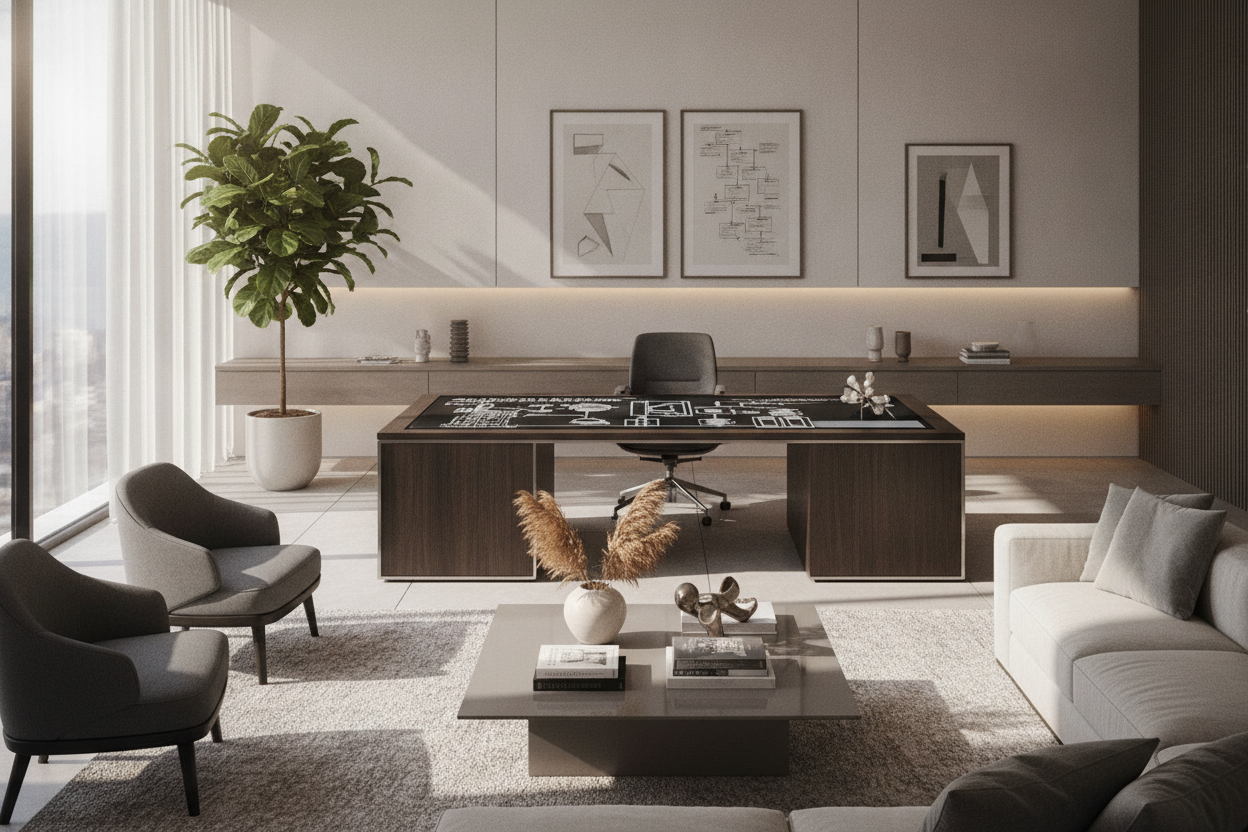
Mobile rolling utility carts can be tucked alongside or beneath the desk during work hours and rolled into a closet when extra floor space is needed. For larger rooms where you are deciding between a compact standalone desk and comprehensive wall-length cabinetry, reviewing options like a wide computer desk product highlights how storage scale interacts with room dimensions. By thoughtfully combining surface planning, smart zoning, and vertical storage, a 3-foot desk creates an efficient, comfortable workstation tailored to any compact environment.

Dejar un comentario
Este sitio está protegido por hCaptcha y se aplican la Política de privacidad de hCaptcha y los Términos del servicio.