










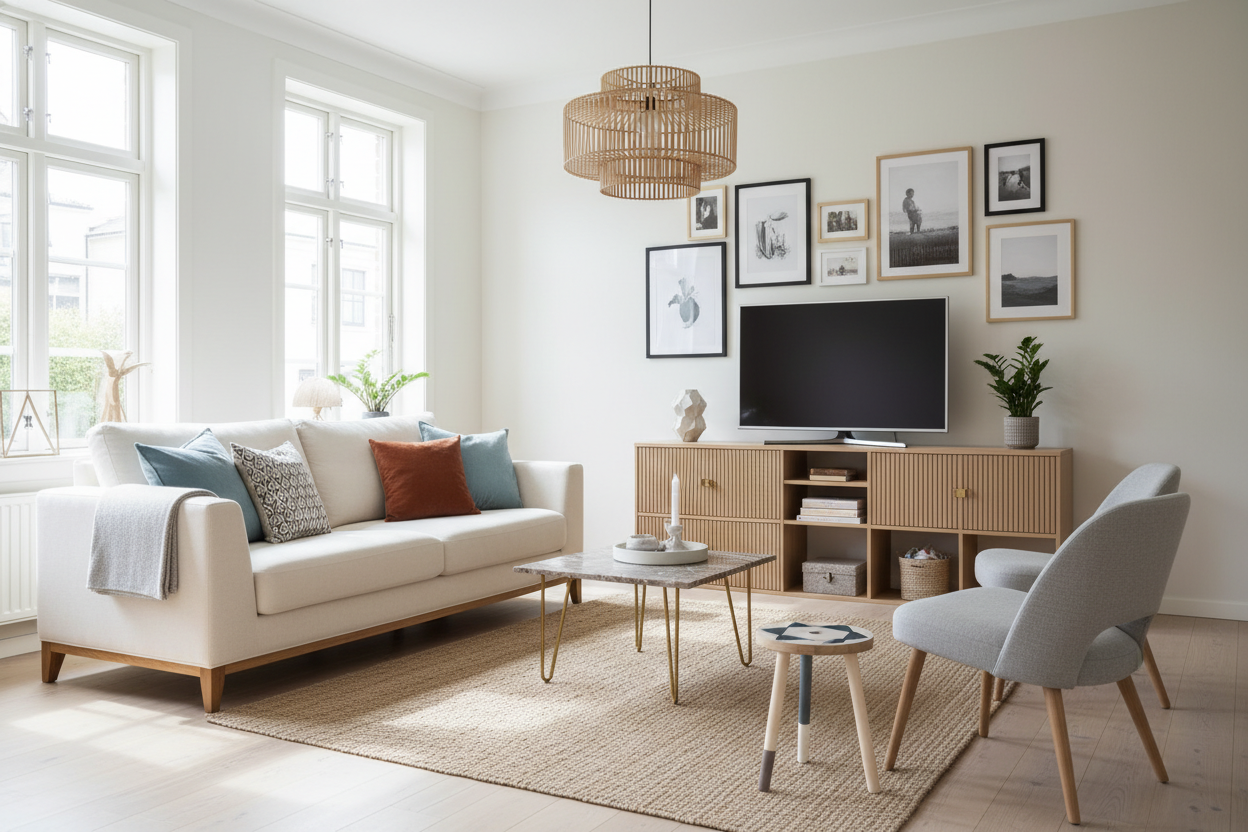
Walking through the winding path of the marketplace, it is easy to get swept up in the perfectly curated ikea room idea vignettes. However, the disconnect between a showroom floor and a real home often leads to a flat, impersonal aesthetic once the boxes are unpacked. As a designer, my goal isn't just to fill a space with furniture; it is to curate an environment that feels collected rather than purchased in a single haul. This article explores how to deconstruct those catalog layouts and rebuild them into a sophisticated, ergonomic, and personalized sanctuary.
Key Features for a High-End IKEA Layout
- Scale & Proportion: Ensure modular pieces fit the room's volume without overcrowding traffic paths.
- Material Contrast: Break up flat-pack laminates with natural textures like wool, stone, or raw wood.
- Customization Potential: prioritize series (like Bestå or Pax) that allow for hardware and front upgrades.
- Lighting Layering: Avoid relying solely on overheads; integrate ambient lamps to soften rigid furniture lines.
- Color Temperature: Match the undertones of white veneers with your wall paint to prevent clashing.
Deconstructing IKEA Room Designs
The secret to successful ikea room designs lies in looking past the default configuration. Ikea staged rooms are designed to sell individual products, often cramming too many items into a small footprint to maximize merchandise display. To elevate your space, you must edit ruthlessly.
Visual Balance and Negative Space
In many ikea room layouts, every inch of vertical wall space is utilized. While functional, this can feel claustrophobic in a residential setting. Aim for visual breathing room. If you utilize a heavy wall-mounted storage combination, balance it with low-profile seating on the opposing side. This asymmetry creates a dynamic flow that feels architectural rather than utilitarian.
Materiality: Elevating the Standard Finish
One common issue with a standard ikea sample room is the abundance of matching veneers. When every surface—from the coffee table to the bookshelf—shares the exact same synthetic grain, the room lacks depth. To combat this "flat" appearance, introduce organic materials.
The High-Low Mix
Integrate ikea room inspiration with investment pieces. A vintage solid oak coffee table paired with a neutral Ektorp sofa immediately confuses the eye, making the budget-friendly sofa appear more expensive. Focus on tactile experiences; the touch-points (drawer pulls, upholstery, armrests) should feel substantial. Replacing stock hardware with heavy brass or matte black handles is a non-negotiable step in my design process for ikea decorated rooms.
Ergonomics and Flow
Ikea room decoration ideas often prioritize storage over seating comfort. When planning your layout, consider the ergonomics of the human body over the storage capacity of the unit. Ensure there is at least 30 to 36 inches of walkway clearance between furniture pieces. Avoid placing tall, looming wardrobes near the entry of a room, as this creates a psychological barrier. Instead, push visually heavy items to the furthest wall to expand the perceived volume of the space.
My Personal Take on IKEA Room Ideas
I want to share a harsh reality from a project I managed last year involving the popular Söderhamn sofa series. In the ikea model rooms, these look sleek and modern. However, during a client installation, we learned a lesson about textile durability. We used the standard light turquoise weave in a home with a Golden Retriever.
Within three weeks, the "grip" of the fabric texture had trapped dander so deep that standard vacuuming couldn't extract it. Furthermore, the low back profile, while aesthetically pleasing, offered zero neck support for my 6-foot-tall client. The fix? We didn't toss the sofa. We ordered custom, tightly woven linen slipcovers from a third-party specialist and swapped the chrome legs for taller, tapered walnut ones. The height increase improved the sit-stand ergonomics significantly, and the tighter weave repelled the pet hair. The lesson: Use the IKEA frame as a skeleton, but do not rely on the stock skin if you want longevity.
Conclusion
Your home should not look like a page torn from a catalog. By applying strategic design principles—focusing on scale, mixing textures, and hacking the standard finishes—you can utilize a budget-friendly ikea room idea as a foundation for a truly bespoke interior. It is about the intelligence of the layout, not the price tag of the furniture.
Frequently Asked Questions
How do I make IKEA furniture look built-in?
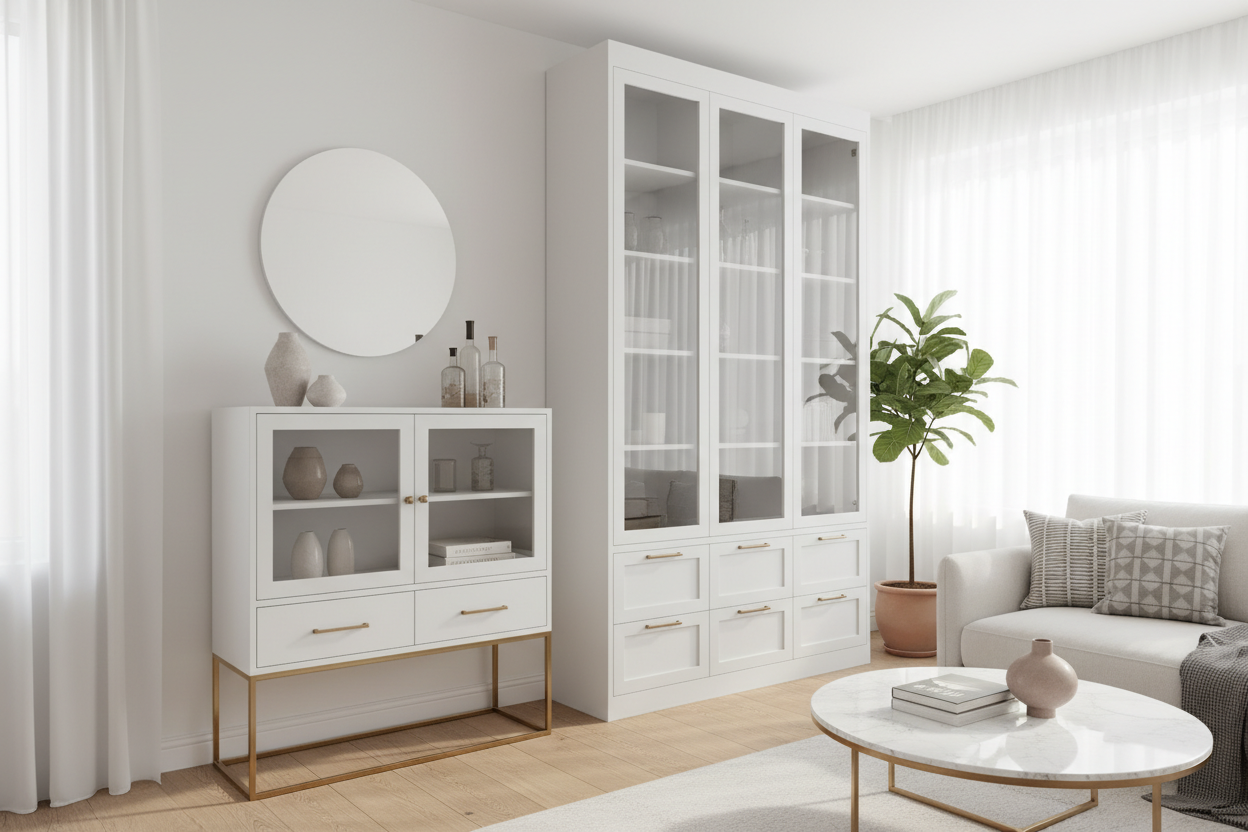
To achieve a built-in look with units like Billy or Pax, remove your existing baseboards so the units sit flush against the wall. Use filler strips to close gaps between the unit and the wall/ceiling, and finish with crown molding for a seamless architectural integration.
What is the biggest mistake in IKEA room layouts?
The most common error is buying a matching set. Avoid purchasing the bed, nightstands, and dresser all from the same product family (e.g., Malm). This creates a sterile, dormitory aesthetic. Mix lines and finishes to create a curated feel.
Are IKEA room examples realistic for small apartments?
Mostly, yes. IKEA specializes in small-space solutions. However, be wary of their use of open shelving in ikea room examples. In real life, open storage requires constant curation to avoid looking cluttered. For most clients, I recommend closed storage to hide the inevitable mess of daily life.

Leave a comment
This site is protected by hCaptcha and the hCaptcha Privacy Policy and Terms of Service apply.