










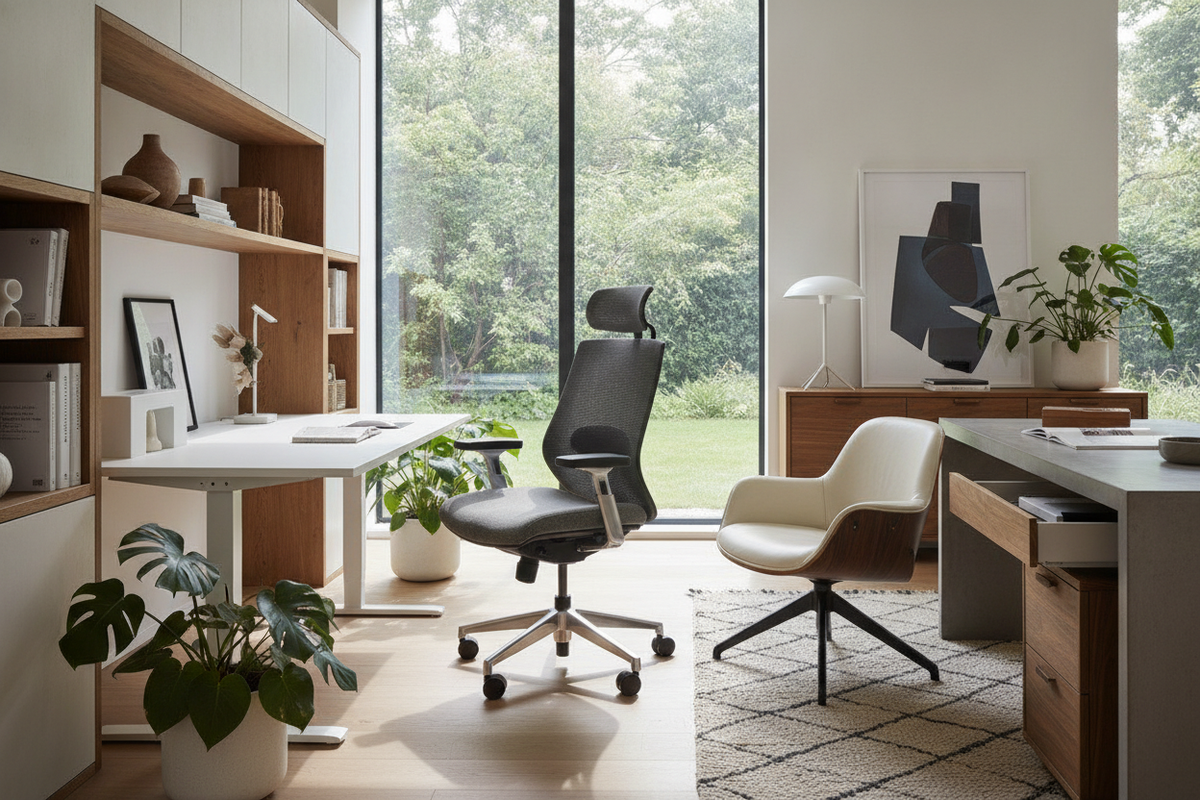
Reddit Seating Consensus: Why Community-Vetted Office Chairs Prioritize Mechanical Adjustability Over Cushion Thickness
Discussions surrounding the best desk chairs reddit threads frequently highlight a distinct divide between showroom comfort and long-term ergonomic support. Deep, plush executive seating often feels welcoming during an initial sitting, but community discussions consistently reveal that static cushioning without structural support can contribute to mid-day fatigue. Long-term remote workers and workstation enthusiasts instead advocate for mechanical adjustability, modular components, and intentional frame geometry.
When evaluating popular recommendations across ergonomic forums, the primary goal is accommodating natural posture shifts throughout a full workday. For a broader perspective on popular flat-pack seating debates, reviewing our chair reddit guide offers additional context on how budget-friendly options measure against higher-tier task chairs.
Core Mechanical Adjustment Tiers: Lumbar, Seat Pan Depth, and Multi-Directional Arms
Reddit consensus emphasizes three primary mechanical adjustments that define a truly adaptable task chair:
- Independent Lumbar Support: Vertical and depth adjustments ensure the lumbar curve matches individual spinal geometry rather than forcing an arbitrary curve.
- Seat Pan Depth Slider: Moving the seat forward or backward preserves critical clearance behind the knees while supporting the full length of the thighs.
- Multi-Directional (3D or 4D) Armrests: Adjusting height, width, pivot angle, and forward-backward depth allows forearms to rest naturally at desktop level without causing shoulder shrugging.
Mesh Suspension vs. High-Density Molded Foam Dynamics
The debate between full elastomeric mesh and high-density molded foam cushions remains central to online seating discussions. Mesh chairs excel in active thermal dissipation, allowing continuous airflow across the backrest and seat. However, proper tensioning is essential to prevent pressure points along the structural perimeter.
High-density, cold-cured foam cushions distribute body weight evenly across a broader surface area. Many users favor a hybrid configuration that combines an open mesh backrest for breathability with a supportive, contoured foam seat pan to maintain stable pelvic alignment across extended work sessions.
Ergonomic Footprint and Spatial Clearances: Matching Chair Dimensions to Desk Architecture
An ergonomic chair cannot perform effectively in isolation; it must integrate seamlessly with the physical desk and immediate room architecture. Evaluating the chair footprint against knee wells and desktop depths prevents operational interference.
Seat Pan Geometry and Under-Desk Leg Clearance
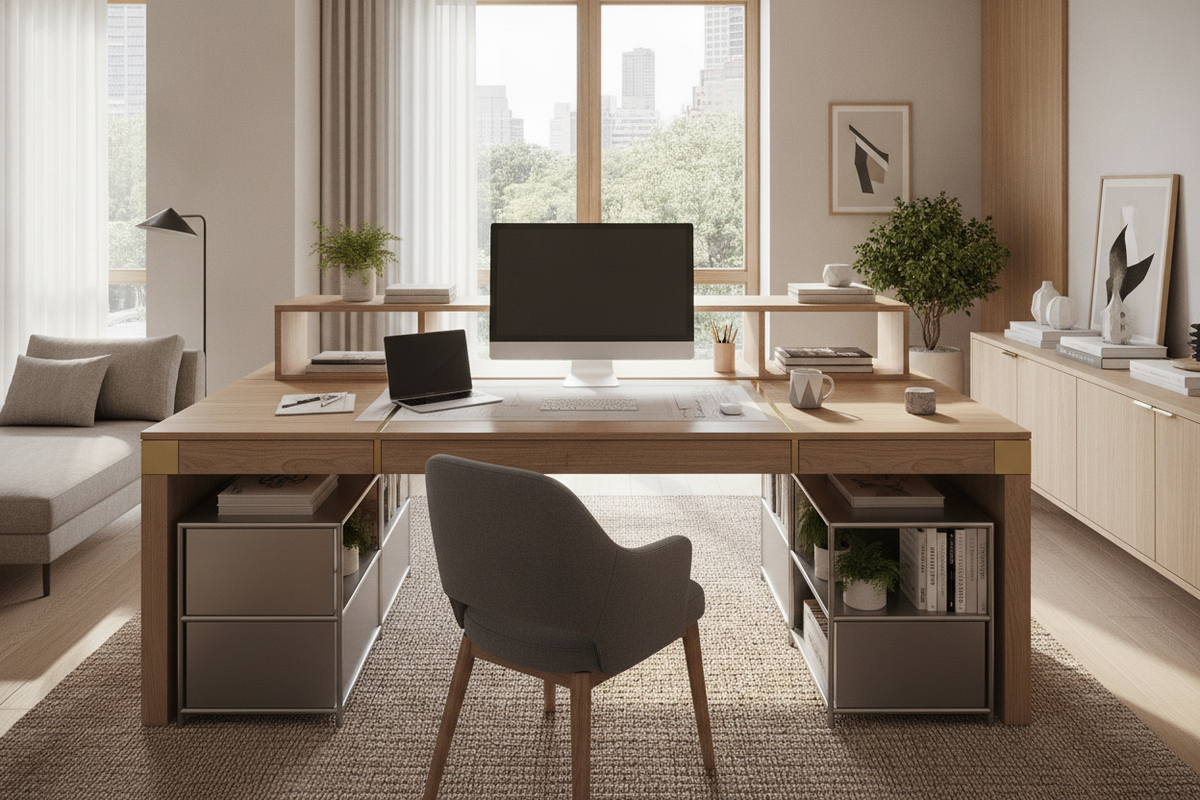
Ensuring adequate space beneath the primary work surface is vital for uninhibited posture transitions. When browsing a dedicated computer desk collection, compare the desk apron height and interior leg width against the maximum height of your chair armrests and seat cushion. Proper knee well clearance allows you to pull the chair completely forward, keeping peripheral tools and keyboards within a neutral reach zone.
Caster Base Diameter and 360-Degree Swivel Radius Planning
Standard five-star caster bases require adequate floor clearance to navigate freely. Hardwood floors and protective floor mats must accommodate the full rotational diameter of the base, along with additional buffer space for smooth entry and exit from the workstation.
Workstation Harmony: Integrating Ergonomic Seating with Sit-Stand and Corner Desk Layouts
Modern workspaces increasingly incorporate dynamic surface heights and expansive layouts, requiring seating that adapts to varied desk profiles.
Dynamic Height Transitions with Sit-Stand Workstations
When pairing task seating with an adjustable surface like an ergonomic office desk product, the chair pneumatic cylinder must provide adequate travel range. Seated positions require feet resting flat on the floor with thighs parallel to the ground, while the desk surface adjusts precisely to meet elbow height. Returning from standing to seated modes is seamless when both desk presets and chair mechanics work in tandem.
Recline Resistance and Armrest Alignment in Corner Desk Configurations
L-shaped and corner desk setups introduce wide swivel arcs. Integrating an expansive office computer desk product requires a chair with a balanced tilt-tension mechanism. Smooth recline resistance and pivoting armrests let users turn between dual monitors or auxiliary workspaces without striking adjacent returns or storage cabinets.
Chassis Durability and Hardware Integrity: Reddit Checkpoints for Long-Term Value
Community reviews consistently emphasize structural hardware over aesthetic trim. Examining the underlying frame materials provides reliable insight into long-term performance.
Gas Cylinder Ratings, Tilt Tensions, and Frame Load Mechanics
A resilient chair chassis relies on heavy-duty pneumatic gas cylinders, robust tilt mechanisms, and reinforced structural frames. Heavy-gauge steel and cast aluminum components offer superior structural rigidity over lightweight plastic housings, preserving smooth swivel and tilt mechanics through years of active use.
Upholstery Abrasion Resistance and Long-Term Cleanability
Upholstery durability is another frequent topic in user discussions. Breathable woven fabrics with high abrasion resistance outlast low-grade synthetic leathers, which are prone to flaking over time. Removable, wipeable, or tightly woven textiles ensure that the seating surface remains functional and presentable throughout its service life.
Workspace Synergy: Organizing Peripheral Storage Around Ergonomic Chair Clearances
Maintaining ergonomic efficiency requires clear spatial zones around the desk chair. Cluttered floor space restricts caster movement and forces awkward, twisted reaching postures.
Low-Profile Storage Placement and Drawer Clearance Lanes
Mobile pedestals, filing cabinets, and under-desk drawers should sit outside the primary rotation circle of the chair base. Establishing distinct zones for active sitting and static storage preserves full legroom and prevents caster wheels from catching on cabinet corners.
Vertical Storage Architecture to Eliminate Desktop and Floor Clutter
Utilizing vertical wall shelving, overhead hutches, or enclosed storage units keeps daily essentials within accessible reach without crowding desk surfaces. In compact rooms, strategies like those detailed in our computer desk office guide demonstrate how consolidating peripheral equipment maintains an open, uncluttered footprint for your ergonomic chair.
Reddit-Inspired Decision Matrix: Selecting Your Ideal Seating Profile by Work Style
Choosing the right desk chair comes down to matching specific adjustability features with your work routines and physical setup:
- Continuous Multi-Taskers: Choose synchronized tilt mechanisms with forward-tilt options and multi-axis armrests to support upright focus and reclined review modes.
- Warm Climates and Compact Rooms: Prioritize full elastomeric mesh backrests with streamlined caster wheel bases to maximize breathability and reduce visual weight.
- Broad Workstation Layouts: Select durable hybrid foam-mesh chairs with wide recline ranges and smooth multi-surface casters to navigate corner and L-shaped desk arrangements effortlessly.

Leave a comment
This site is protected by hCaptcha and the hCaptcha Privacy Policy and Terms of Service apply.