











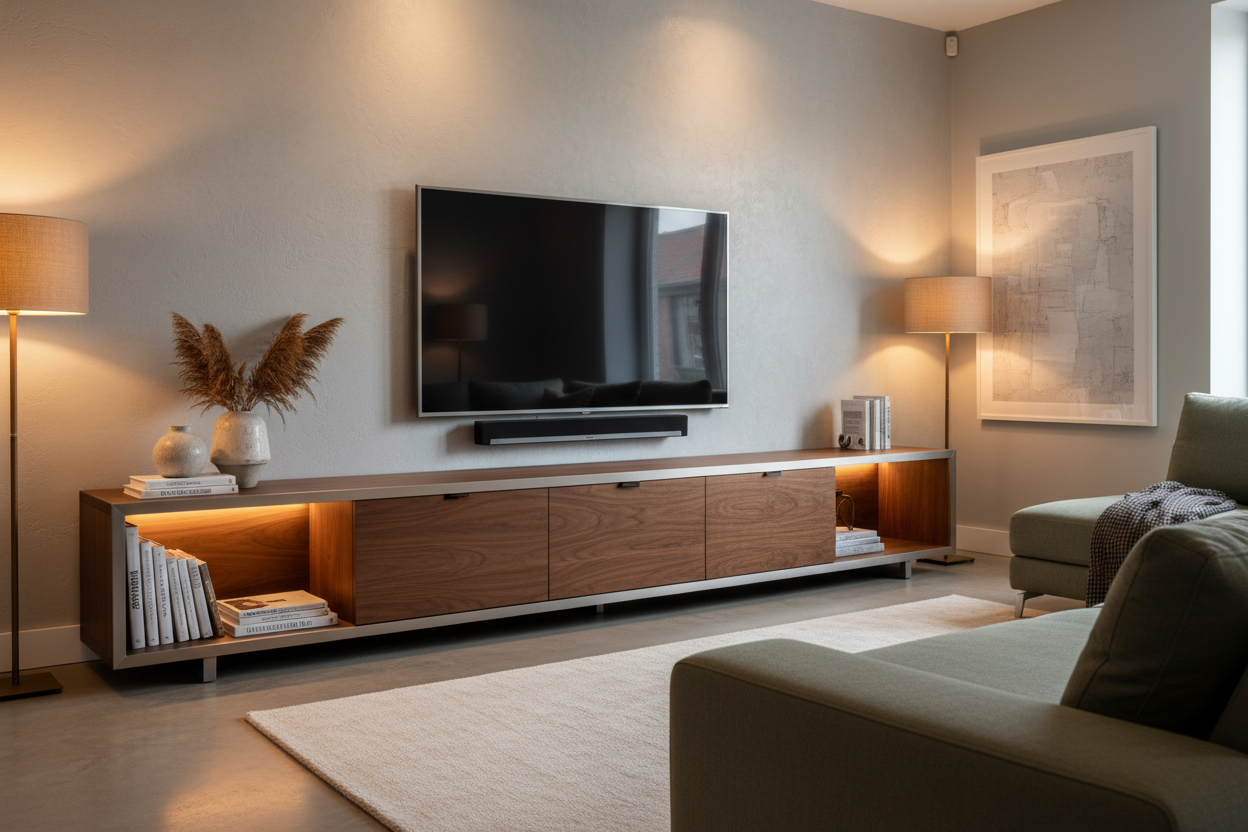
Choosing the right support for your television is a decision that blends practicality with personal style. It's not just about finding a place to put your TV; it's about creating a focal point for your room, managing a tangle of cables, and ensuring your expensive equipment is both safe and accessible. The options seem endless, from minimalist shelves to elaborate entertainment centers, and the terminology can be confusing. Let's clarify what you're really looking for.
A tv and stand combination is often the first solution people consider. This typically refers to a standalone piece of furniture designed specifically to hold a television and its accompanying devices. The beauty of a dedicated tv stand for your living space is its purpose-built design. It comes with cable management systems, often includes storage for media players and game consoles, and is engineered to bear the weight of modern TVs. Unlike a repurposed table or dresser, a proper stand offers peace of mind, knowing your screen is securely anchored.
From All-in-One to Custom Setups
Many modern televisions, especially larger models, are sold as a tv with a stand included in the box. These are usually simple, two-legged bases that get the job done but offer little in the way of storage or style. They're a functional starting point. For a more integrated look, people turn to a dedicated tv equipment stand. This term emphasizes the stand's role as a command center for all your gear—your soundbar, streaming devices, gaming systems, and router all find a home here. A good equipment stand doesn't just hold things; it organizes them, hides wires, and often incorporates ventilation to prevent your electronics from overheating.
Then there's the showpiece approach. In retail settings or stylish homes, you might see a tv showcase stand. These are designed to present the television as a premium product or a piece of art. They tend to have sleek, often minimalist designs, using materials like tempered glass, polished metal, or high-gloss acrylic. While a showcase stand might not have the enclosed storage of a bulkier media console, it makes a bold aesthetic statement, turning your TV into a sculptural element in the room.
Matching Your Stand to Your Life
I learned the importance of this the hard way. Years ago, I placed a hefty CRT television on a flimsy, vintage table I'd inherited. It looked charming until one day, with a sickening crack, the table leg splintered and sent the TV crashing to the floor. That moment taught me that the stand's weight capacity and stability are non-negotiable. Now, I always check the manufacturer's specifications and look for stands with a wide, sturdy footprint, especially if you have children or pets who might bump into it.
Your choice should also flow from how you use your space. Do you need drawers for remote controls and board games? Open shelving for easy access to game discs? Enclosed cabinets to hide the clutter of everyday life? The height of the stand is critical, too; the center of your TV screen should be at or slightly below eye level when you're seated. A stand that's too high or too low can lead to neck strain and disrupt the viewing experience.
Material and Style Considerations
The construction material influences both durability and aesthetics. Solid wood offers timeless strength and can be refinished over time. Engineered wood like MDF is more affordable and stable, often coming in a wider variety of modern finishes. Metal frames provide an industrial, contemporary feel and are incredibly sturdy. Glass and acrylic create a light, floating effect but require more maintenance to keep clean.
Think of your stand as the anchor of your entertainment area. Its style should complement your room's decor, not fight against it. A mid-century modern stand with tapered legs pairs beautifully with a room featuring clean lines and organic shapes. A rustic, reclaimed wood console can warm up a space with neutral tones. The goal is cohesion. Your television is the star, but the stand is the supporting actor that sets the stage for the entire performance.
Ultimately, investing time in selecting the right platform pays dividends in safety, organization, and daily enjoyment. It's the piece that transforms a collection of electronics into a harmonious part of your home. By understanding the different types available—from the basic included stand to a full-featured equipment hub or a stylish showcase piece—you can make a choice that supports both your technology and your lifestyle for years to come.
Frequently Asked Questions
How much weight can a typical TV stand hold?
Weight capacity varies greatly. Budget stands may support 100-150 lbs, while well-built media consoles can hold 200-300 lbs or more. Always check the manufacturer's specifications and look for stands that exceed the combined weight of your TV and all equipment you plan to place on it.
What's the ideal height for a TV stand?
Aim for a stand that positions the center of your TV screen at your eye level when seated. For most soars and chairs, this means stands between 20 and 24 inches tall are common. Measure your seating eye level first, then subtract half your TV's screen height to find your ideal stand height.
Can I use a TV stand for a wall-mounted TV?
Absolutely. A console or stand below a wall-mounted TV is often called a "floating media console." It provides essential storage for components, game consoles, and media without needing to support the TV's weight. This creates a clean, elevated look while keeping all your gear organized and accessible.

Leave a comment
This site is protected by hCaptcha and the hCaptcha Privacy Policy and Terms of Service apply.