










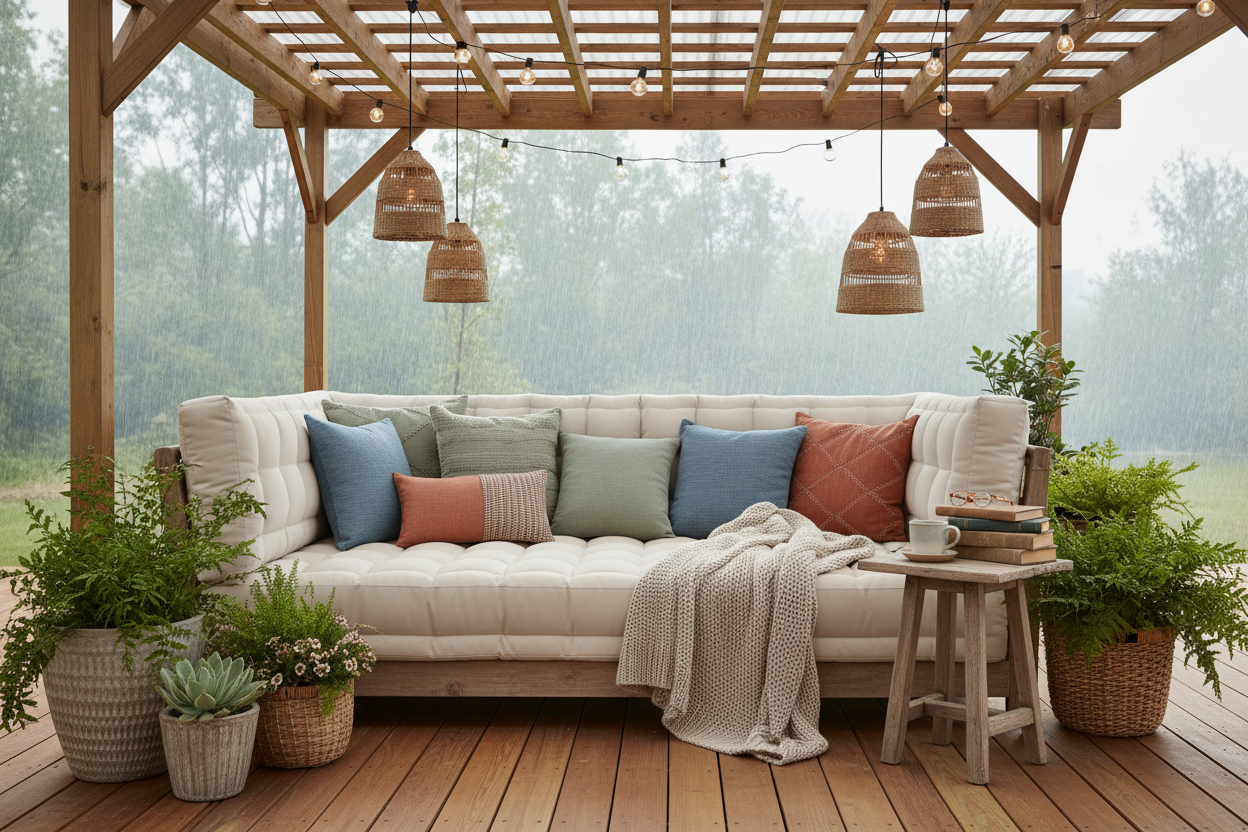
Reading al fresco is one of life's simple pleasures, yet the logistics of keeping paperbacks crisp in a humid environment often stops people from setting up a permanent reading spot on their patio. If you want to keep literature within arm's reach of your hammock or garden bench, you need more than just a standard storage unit. You need a dedicated vessel built to withstand UV rays, moisture, and temperature fluctuations. The solution lies in selecting a high-quality outdoor book cabinet designed specifically to seal out the elements while displaying your collection.
The primary challenge with storing books outside is obviously water, but humidity and sun damage are the silent killers of a good library. Paper absorbs moisture from the air, leading to mold and warping, while direct sunlight bleaches covers and makes glue brittle. Therefore, your storage solution must be an enclosed system. An open rack simply won't cut it unless you plan on hauling the books back inside every evening.
My Experience with Backyard Libraries
A few years ago, I decided to build a community exchange box for my neighborhood—essentially a miniature library on a post. I thought I knew what I was doing. I used scrap pine and basic exterior paint. Two weeks later, after a particularly nasty thunderstorm, I opened the latch to find three damp, swollen novels and a very unhappy colony of earwigs. The water hadn't come through the roof; it had wicked up through the unsealed bottom joints and seeped in through the gap around the door.
That failure taught me that waterproofing is an active, multi-layered process, not just a coat of paint. I rebuilt the structure using cedar, which has natural rot resistance, and lined the seams with marine-grade silicone. I also installed a proper drip edge. The difference was night and day. Whether you are building a small community box or buying a large cabinet for your deck, the principles of moisture management remain exactly the same.
Choosing the Right Materials
When shopping for or building an outdoor bookshelf with doors, the material is the single most critical factor. Indoor particle board will disintegrate within days of exposure to morning dew. You generally have three viable options: treated wood, metal, or high-density resin.
Wood offers the most classic aesthetic. Cedar, teak, and redwood are excellent choices because they contain natural oils that repel water and insects. However, even these woods require annual sealing with a marine varnish or an exterior polyurethane to maintain their integrity. If you prefer a painted look, ensure you are using exterior-grade acrylic latex paint, which expands and contracts with the wood during temperature shifts.
Resin or heavy-duty plastic cabinets are the low-maintenance alternative. While they lack the charm of timber, they are impervious to rot and rust. If you choose resin, look for double-wall construction which helps regulate the internal temperature, preventing the cabinet from becoming an oven that melts the binding glue of your books.
The Importance of Doors and Seals
An outdoor bookshelf with doors serves two purposes: physical protection and humidity control. The doors need to close tightly. A simple magnetic catch is rarely enough to keep out driving rain or persistent spiders. Look for cabinets that feature a latch system that compresses a rubber or foam weatherstrip gasket when closed. This gasket is what makes the unit truly weather-resistant.
For the viewing panels, glass is traditional but risky in a garden environment where stray baseballs or falling branches are possibilities. Plexiglass or polycarbonate sheeting is far superior for outdoor use. It is shatter-resistant and often comes with UV-blocking coatings that help preserve the color of your book spines.
Placement Strategy
Even the best outdoor book cabinet will struggle if placed directly in the line of fire. Location is your first line of defense. Position your cabinet under an existing overhang, such as a soffit or a covered porch, whenever possible. This reduces the volume of water the unit has to shed.
Pay attention to the sun's path. South-facing exposure might be great for your tomatoes, but it is terrible for a book cabinet. The intense heat cycle can cause condensation to form inside the unit when the temperature drops at night. A shaded, north or east-facing spot is ideal for maintaining a more consistent internal temperature.
Elevation is also key. Never set a wooden cabinet directly on the grass or soil. Moisture will wick up into the legs and rot the floor out from underneath. Place the unit on pavers, a concrete pad, or a composite deck. If it must go on the ground, use brick risers to keep the wood from making contact with the earth.
Maintenance and Care
Treating your outdoor library like indoor furniture will lead to disappointment. It requires seasonal check-ups. Inspect the caulking around the roof and the glazing around the windows every spring. If you see cracks or peeling, scrape it out and re-seal it immediately.
Ventilation is a tricky balance. While you want to keep water out, a perfectly airtight box can trap humidity. Some high-end designs include small, screened vents under the roof overhang to allow airflow without letting rain in. If your cabinet smells musty, consider adding a silica gel desiccant pack or a container of moisture absorber on the bottom shelf to keep the relative humidity down.
Creating a sanctuary for books in the garden requires a bit of engineering and foresight. But once you have that weatherproof cabinet stocked with your favorite titles, pouring a cup of coffee and stepping out into the morning air to read becomes a seamless, worry-free ritual.
Frequently Asked Questions
Can I leave books in an outdoor cabinet during winter?
It depends on your climate. In freezing temperatures, paper can become brittle, and the freeze-thaw cycle can damage bindings. If you live in an area with harsh winters, it is best to bring the books inside for the season, even if the cabinet stays outdoors.
How do I keep bugs out of my outdoor bookshelf?
Ensure the doors seal tightly against a weatherstrip gasket and seal all construction joints with silicone caulk. Elevating the cabinet off the ground prevents crawling insects from easily accessing the unit, and placing a few cedar blocks inside can act as a natural deterrent.
What is the best way to waterproof a wooden outdoor cabinet?
Apply at least three coats of marine-grade spar varnish or a high-quality exterior wood sealer, paying special attention to the end grain and joints. Re-apply the top coat every year or two when water stops beading on the surface.



Leave a comment
This site is protected by hCaptcha and the hCaptcha Privacy Policy and Terms of Service apply.