










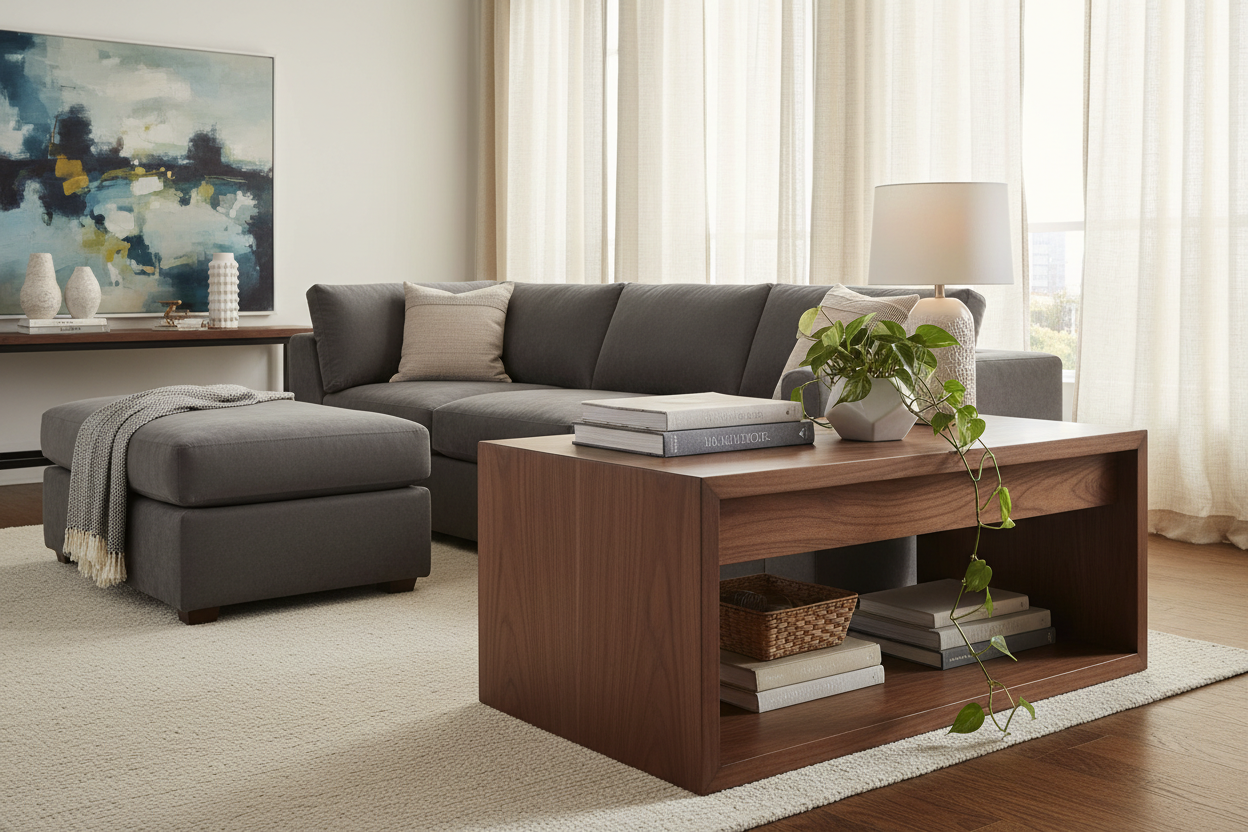
When selecting furniture for your living space, the choice of a side or end table can have a significant impact on both aesthetics and practicality. A deep end table, deep side table, or extra deep end table offers more surface and storage area than standard options, making it ideal for those seeking efficiency without sacrificing design. Selecting the right type involves understanding dimensions, materials, and how it integrates into your overall decor.
Understanding Deep End Tables
A deep end table is typically designed with an extended depth, allowing the surface to hold larger decor items, reading materials, or everyday essentials. This added capacity can be especially appealing in homes where space is limited yet functional storage is a priority. While the term ‘deep’ can be subjective, it's generally considered to be at least 20% deeper than a standard side table.
Benefits of a Deep Side Table
Unlike compact models, a deep side table provides better usability. Its generous dimensions make it possible to place table lamps without crowding the space, arrange books in a neat stack, or accommodate serving trays during gatherings. For living rooms, it serves as both a visual anchor and a versatile companion to seating arrangements.
Extra Deep End Table for Maximum Utility
For homeowners who need even more function, the extra deep end table becomes a practical choice. This variant often includes built-in shelving or drawers underneath, adding discreet storage solutions for remotes, chargers, and personal items. The substantial depth allows for creative display options that would be impractical with slimmer designs.
Materials and Build Quality
Choosing a deep or extra deep end table should involve reviewing construction quality. Solid hardwoods such as oak or walnut provide durability and longevity, while engineered woods can offer affordability with modern finishes. Metal frames combined with wooden tops lend an industrial feel, whereas glass surfaces bring a sleek, contemporary look.
Integration with Interior Design
The visual weight of a deep side table must be balanced with existing furniture. In smaller spaces, opt for lighter finishes to prevent the piece from overpowering the room. In larger areas, darker woods or bold colors can add richness and character. Placement is crucial; positioning a deep end table too far from seating defeats its primary function, so ensure it remains within easy reach.
Personal Experience and Practical Considerations
In my own living room, I introduced an extra deep end table beside a reading chair. At first, the size felt imposing, but over time it proved indispensable for holding books, a cup of coffee, and even small potted plants without clutter. The key was aligning the table's depth with the space available and ensuring it visually complemented the chair's proportions.
Maintenance and Care
Maintaining a deep end table involves routine dusting and cleaning appropriate to the material. Avoid placing hot items directly on wooden surfaces without protection, and use coasters to prevent moisture damage. For glass-topped designs, microfiber cloths help retain clarity without scratching.
Making the Final Choice
The decision between a deep end table, deep side table, or extra deep end table comes down to balancing space, style, and function. Consider the room’s traffic flow, available floor area, and intended use. For a reading nook, deeper designs can enhance comfort and organization; for a high-traffic living room, a moderately deep version may be more suitable.
Conclusion
A well-chosen deep table can improve both the usability and visual harmony of a room. Thoroughly assess dimensions, materials, and placement to ensure it serves its purpose without overwhelming the environment. Whether you select a standard deep end table or opt for an extra deep model, proper selection leads to a piece that is both functional and timeless.


Leave a comment
This site is protected by hCaptcha and the hCaptcha Privacy Policy and Terms of Service apply.