










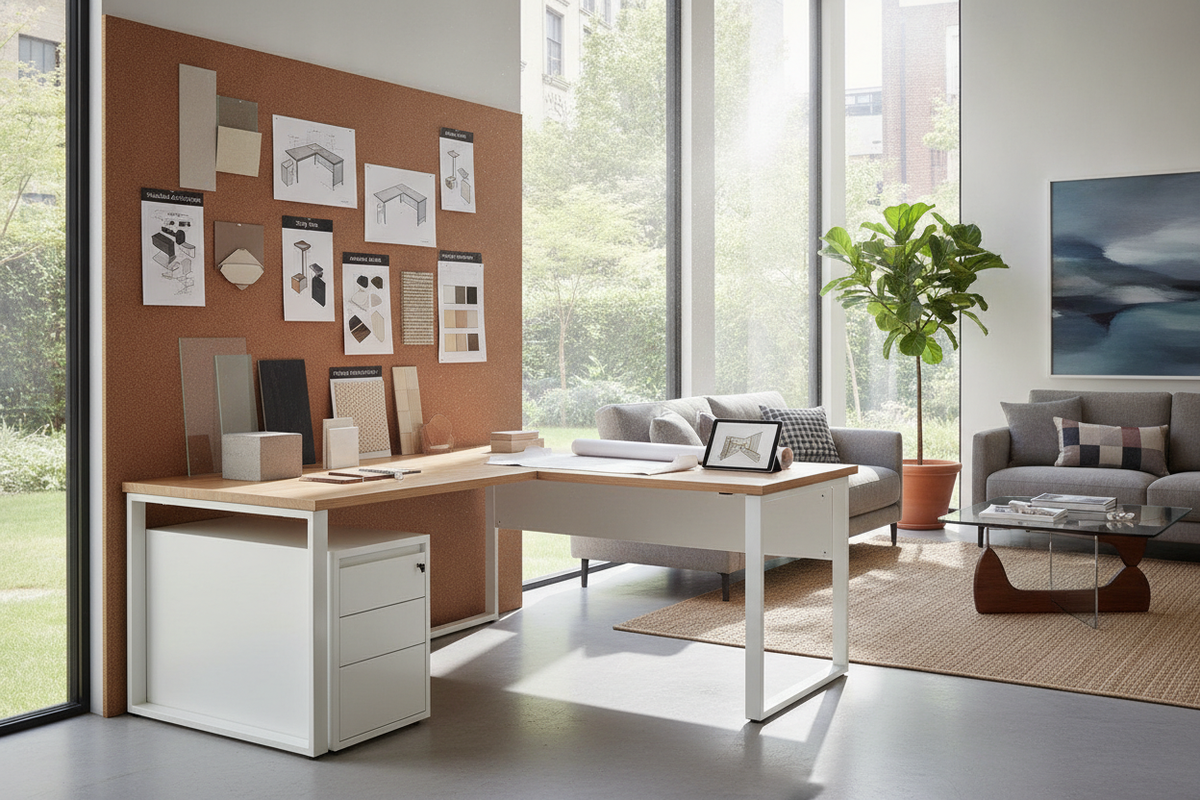
Selecting the ideal desk involves balancing surface area, spatial constraints, aesthetic harmony, and structural stability. When shopping for a desk at IKEA or evaluating modular workstation concepts, understanding how individual components interface allows you to craft a tailored environment that supports daily productivity. From customizable tabletop-and-leg configurations to self-contained storage bureaus, modern modular desks offer versatile options for home offices, creative studios, and multi-purpose living spaces.
Understanding IKEA Desk Archetypes: From Modular Tabletop Systems to Dedicated Workstations
Workstation design generally falls into distinct structural archetypes, each tailored to specific functional priorities, square footage allowances, and aesthetic preferences.
Modular Tabletop and Leg Combinations (Mix-and-Match Versatility)
One of the most recognized workstation formats relies on modular mix-and-match systems. In this framework, worktops are selected independently from supporting hardware such as individual tubular steel legs, trestles, or under-desk drawer units. This modularity gives you the freedom to choose contrasting finishes, determine desk height using adjustable legs, and customize the width of your setup. For a deeper breakdown of modular configurations, exploring an ikea office desks guide can help illuminate how component-based setups adapt over time.
Integrated Storage Desks and Dedicated Bureau Workstations
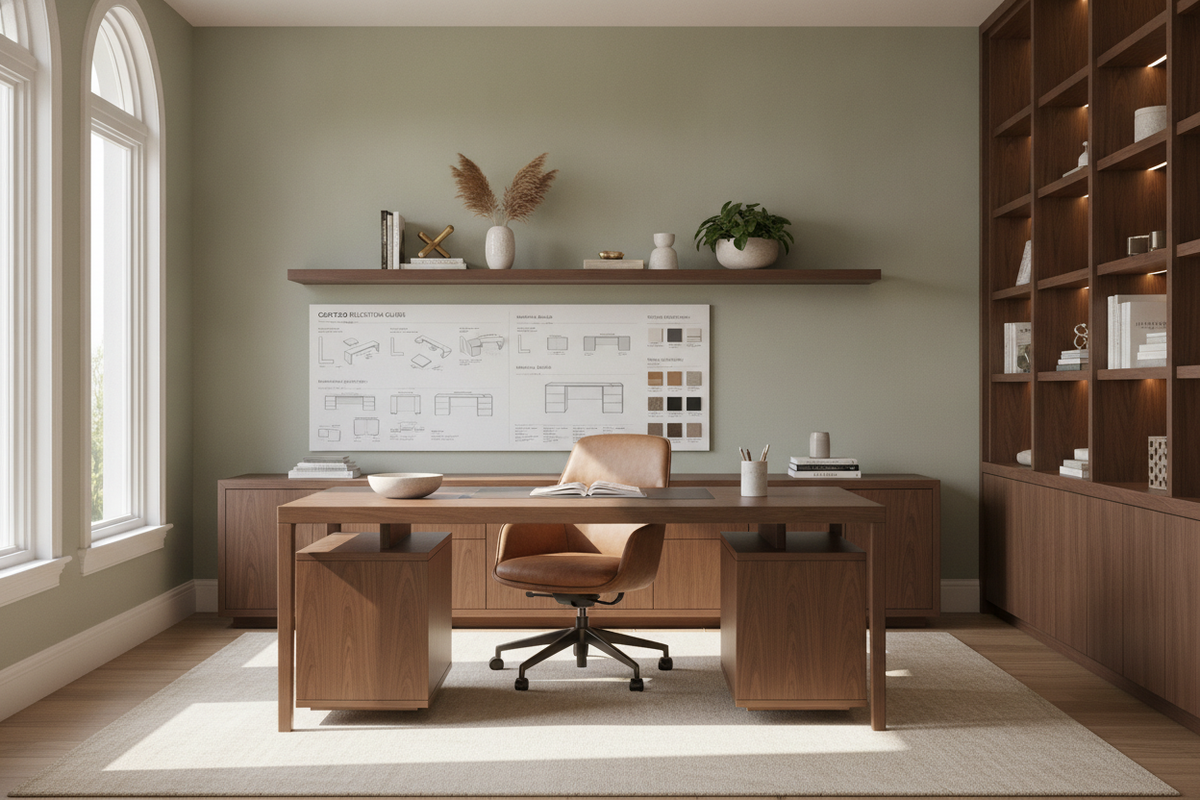
For spaces where separate filing units are impractical, integrated desk units provide an all-in-one footprint. These designs feature factory-fitted cabinets, built-in shelving, or integrated modesty panels. Bureau-style workstations often include drop-down writing leaves or enclosed hutches, enabling you to conceal monitors, stationery, and paperwork when the workday concludes.
Sit-Stand Converters and Dynamic Height-Adjustable Frames
Dynamic height-adjustable workstations feature telescoping underframes powered by manual hand cranks or dual-motor electric columns. These sit-stand models allow smooth transitions between seated and standing postures throughout the day. When selecting height-adjustable desks, frame rigidity at maximum extension is a key factor, making wide crossbars and solid floor feet essential for minimizing screen wobble.
Dimensional Tiers and Spatial Planning for IKEA Workstations
Spatial planning prevents a workstation from overwhelming a room while ensuring sufficient surface area for computing peripherals and physical documents.
Compact and Narrow Footprints for Tight Work Nooks
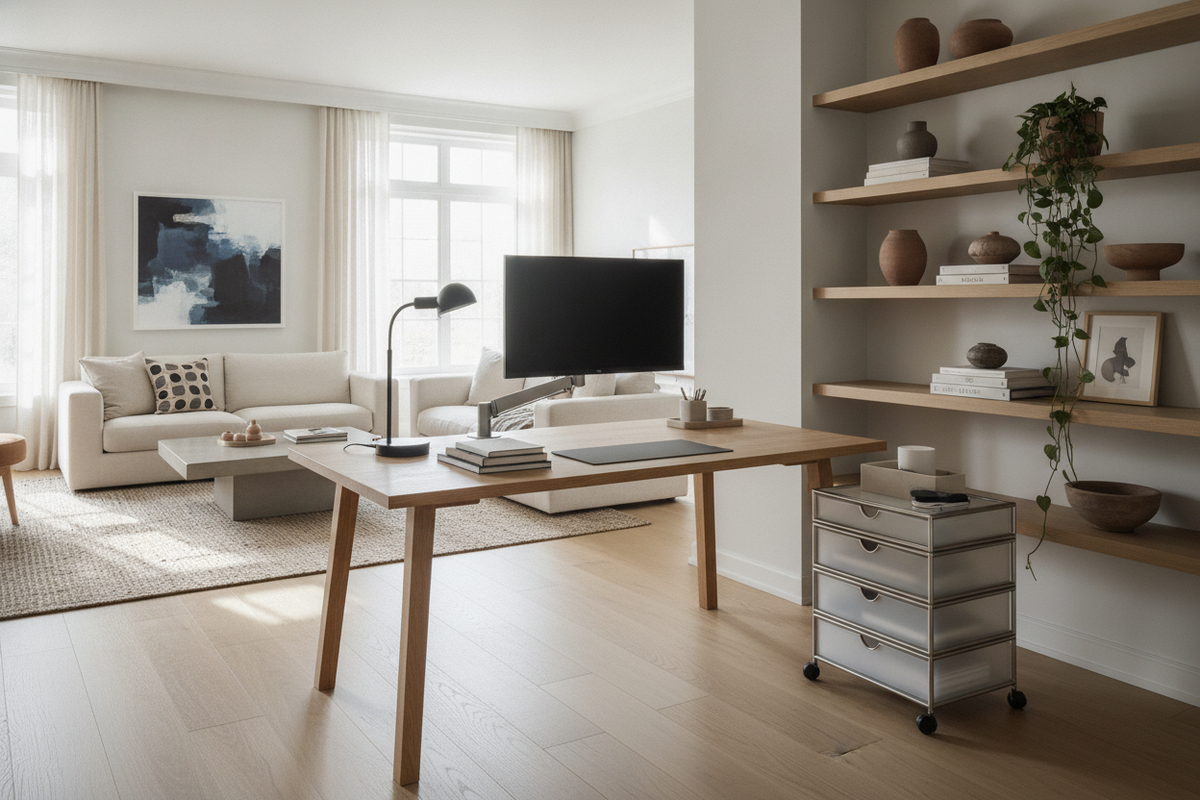
Compact desks typically offer shallow depths and narrow widths, making them well-suited for hallway alcoves, secondary bedrooms, or small apartment corners. These slim surfaces comfortably host a single laptop, a compact lamp, and essential notebooks without impeding nearby walking paths or door clearances.
Standard Medium Work Surfaces for Everyday Computing
Medium-format desks provide standard depths that accommodate a full-size desktop monitor, external keyboard, mousepad, and reference materials. This dimensional tier delivers balanced legroom clearances and sufficient distance between your eyes and primary display panels, supporting comfortable viewing angles during long working sessions.
Expansive and Corner Desk Formats for Multi-Screen Productivity
For professionals managing multiple monitors, audio interfaces, or extensive physical drafting materials, extended rectangular and L-shaped corner desks offer generous continuous surface area. L-shaped geometry capitalizes on underutilized room corners to establish dedicated zones for digital tasks and manual paperwork. For insights on layout optimization, consulting a desk ikea guide or evaluating dedicated products like an office desk storage product illustrates how corner designs merge broad table space with substantial integrated cabinetry.
Material Construction, Substrates, and Structural Rigidity
The durability, weight-bearing behavior, and tactile feel of a desk depend heavily on the underlying substrate and framing materials.
Honeycomb Paper Core Tops vs. Solid Wood and Particleboard
Modern desk surfaces employ several core substrate technologies:
- Honeycomb Paper Core (Board-on-Frame): Constructed with an engineered fiberboard outer shell encasing a lightweight honeycomb paper core. These tops are lightweight and easy to maneuver, though point-load distribution requires care when clamping heavy aftermarket monitor arms.
- Dense Particleboard and MDF: Medium-density fiberboard and dense chipboard substrates wrapped in melamine foils or real wood veneers offer uniform density, providing consistent screw-holding strength and rigid resistance to surface deflection.
- Solid Wood and Veneered Layer-Glued Boards: Natural timber constructions and thick wood veneer tops provide rich grain texture and can be sanded or refinished over years of sustained use.
Trestle, Steel Leg, and Drawer Pedestal Base Stability
Structural stability depends on how horizontal worktops connect to vertical base supports. Fixed steel legs with broad mounting plates create rigid corner anchoring, while angled trestles distribute downward weight over a wider footprint. When using drawer pedestals as structural supports, non-slip rubber buffers or mechanical fasteners ensure the top remains firmly anchored during daily use.
Storage Architecture and Ergonomic Organization Strategies
A functional workspace relies on structured organizational systems to keep desktop surfaces free of clutter.
Under-Desk Drawer Pedestals and Side Storage Alignment
Modular drawer units serve as both primary structural supports and freestanding under-desk storage. Selecting drawer pedestals with graduated depths allows shallow top drawers to house stationery and pens, while deep lower drawers accommodate hanging files or bulkier tech accessories. Choosing an integrated office storage desk product combines cohesive exterior finishes with built-in organizational compartments.
Vertical Wall Shelving, Desk Hutches, and Wire Routing Systems
When floor area is limited, taking advantage of vertical clearance preserves usable desktop space. Coordinating your workstation with an office storage collection lets you incorporate wall-mounted shelving, pegboards, and vertical hutches. Managing cables through undermount wire raceways, modesty channels, and desktop grommets keeps cords tidy and prevents snagging.
Room Layout Configurations and Practical Assembly Advice
Careful positioning within a room optimizes natural light, accessibility, and visual balance.
Perimeter Wall, Corner, and Floating Island Layouts
Workstation placement shapes the functional flow of your room:
- Perimeter Wall Placement: Positions the desk flush against a flat wall, simplifying cable routing to wall outlets and maximizing open central floor area.
- Corner Orientation: Fits naturally into room boundaries, creating a focused, distraction-free workstation zone.
- Floating Island Position: Places the desk facing into the room with the rear facing outward, requiring clean cable management and finished back panels for a refined look.
Assembly Optimization, Fastener Checks, and Long-Term Care
During assembly, align dowels and cam-lock fasteners carefully before tightening to avoid damaging engineered substrates. Placing the tabletop on a soft, clean blanket during construction protects the finish. Periodically checking and tightening leg screws, drawer slides, and frame bolts helps maintain rock-solid stability over years of daily productivity.

Leave a comment
This site is protected by hCaptcha and the hCaptcha Privacy Policy and Terms of Service apply.