










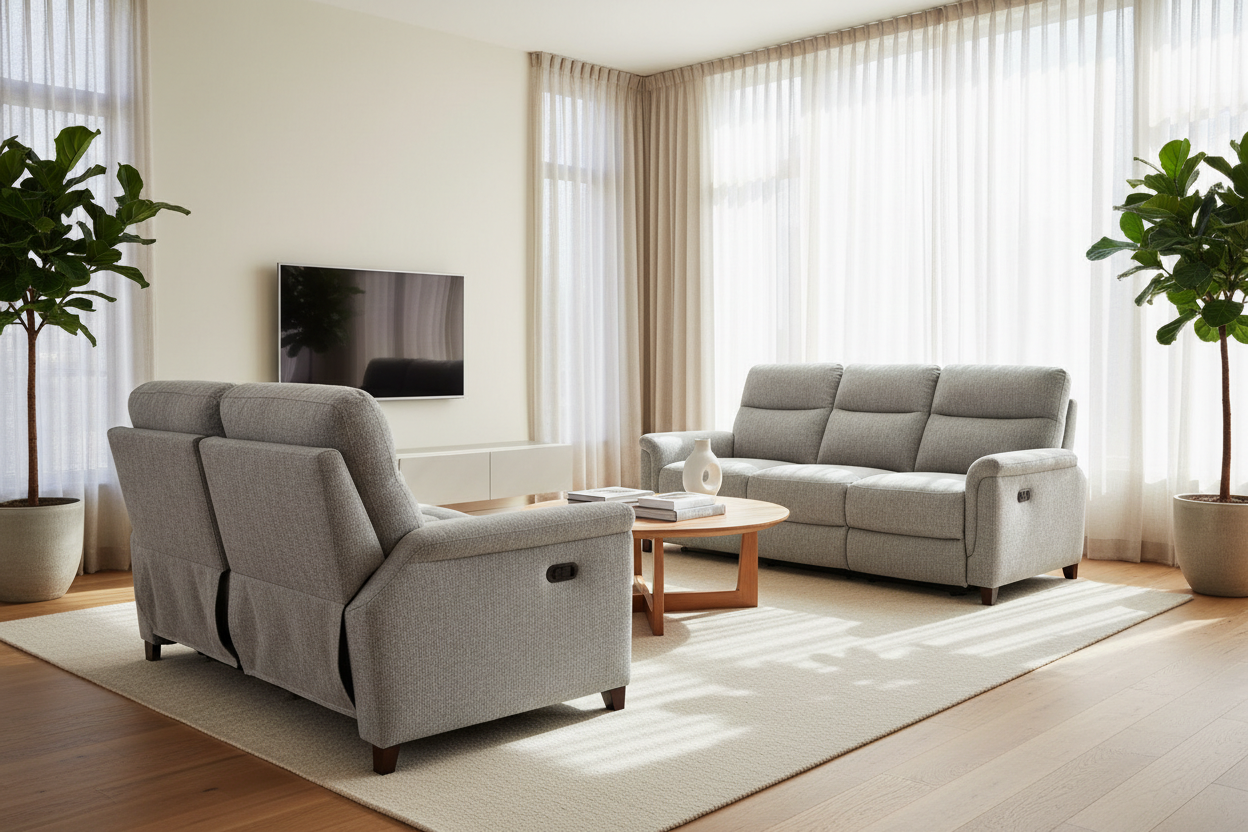
There is a persistent myth in interior design that you must choose between high-end aesthetics and genuine comfort. Nowhere is this battle fought more fiercely than when selecting a loveseat and recliner. Many homeowners fear that introducing reclining furniture will turn their sophisticated living room into a bulky, shapeless media room. However, modern manufacturing has evolved. With the right silhouette and upholstery, these pieces can anchor a room with elegance while providing the relaxation you crave.
Key Features to Look For
Before you commit to a purchase, review this checklist to ensure your selection balances function with design integrity:
- Wall Clearance: Determine if you need a "wall-hugger" mechanism (requires 2-4 inches) or a standard lay-flat (requires 12+ inches).
- Seat Depth: Ensure the depth accommodates your height so your legs don't dangle or hang too far over when upright.
- Upholstery Grade: Look for top-grain leather or high-performance Crypton fabrics for longevity.
- Frame Construction: Kiln-dried hardwood frames prevent the warping common in cheaper loveseat recliners.
- Power vs. Manual: Power options offer infinite positions but require floor outlets or battery packs; manual is cord-free but limits adjustability.
Mastering Scale and Layout
The biggest error I see in residential projects is ignoring the "open" footprint of the furniture. A loveseat that reclines changes shape. When planning your floor plan, you must account for the fully extended footrest. If you place a coffee table in front of loveseats with recliner mechanisms, you generally need 18 to 24 inches of clearance to allow the footrest to deploy without hitting the table.
Furthermore, consider visual weight. A recliner love seat sofa is often visually heavy. To counter this, pair it with leggy, open-frame accent tables or a glass coffee table to keep the room feeling airy. Avoid pushing all furniture against the walls; floating the pieces can create a more intimate conversation area.
Selecting the Right Style and Material
Gone are the days when recliners loveseat styles only meant puffy, overstuffed arms. For a contemporary aesthetic, look for track arms and high legs. High-leg recliners hide the mechanism entirely, looking just like a standard stationary sofa until activated.
Fabric vs. Leather
When you shop reclining loveseat options, the material dictates the maintenance. Leather is the gold standard for a love seat sofa recliner because the friction of reclining wears down lower-quality fabrics over time. However, if you prefer warmth, opt for a heavy-weight chenille or a tight-weave tweed. These textures hide the inevitable creasing that happens where the fabric folds.
The "Matchy-Matchy" Trap
A common design faux pas is buying a matching three-piece set (sofa, loveseat, and chair). It makes a room feel like a furniture showroom rather than a curated home. Instead of a matching love seat and recliner set, try coordinating them. If you have a solid leather loveseat recliner sofa, pair it with a love seat recliner chair in a complementary fabric pattern. This layering of textures adds depth and sophistication to the space.
Lessons from My Own Projects
I want to share a specific issue that came up during a renovation for a client in a downtown condo. We selected a beautiful power reclining sofas love seat. It was a "wall hugger," so we knew the back clearance was fine. However, we completely overlooked the lateral clearance.
The control panel for the power recline was on the outside of the armrest. When we placed the side table next to it, there was no room to actually reach your hand down to press the buttons without knocking over a drink. We had to swap the side tables for smaller C-tables that slid over the front. It’s a small, unpolished detail, but when you are measuring, always add 4 inches of "hand clearance" to the side of any love seats that recline if the controls are external. It saves a lot of frustration later.
Conclusion
Integrating motion furniture into your home doesn't mean sacrificing style. By paying attention to scale, clearance, and material quality, you can create a living space that looks high-end and feels incredibly comfortable. Focus on the silhouette and the flow of the room, and your new furniture will serve you well for years.
Frequently Asked Questions
How much space do I need behind a reclining loveseat?
It depends on the mechanism. Standard recliners need 10 to 14 inches of wall clearance. "Zero-wall" or "wall-hugger" loveseat recliners can operate with as little as 2 to 4 inches of space, making them ideal for smaller rooms.
Can I mix a reclining loveseat with a stationary sofa?
Absolutely. In fact, mixing is preferred for a designer look. Use the loveseat that reclines for the primary TV-viewing spot and a stationary sofa or accent chairs to complete the conversation circle. Just ensure the seat heights are similar.
What is the most durable upholstery for a recliner?
Top-grain leather is generally the most durable for a recliner love seat sofa because it handles the friction of movement better than fabric. If you prefer fabric, look for high-performance synthetics labeled with high "double rubs" (durability rating).

Leave a comment
This site is protected by hCaptcha and the hCaptcha Privacy Policy and Terms of Service apply.