










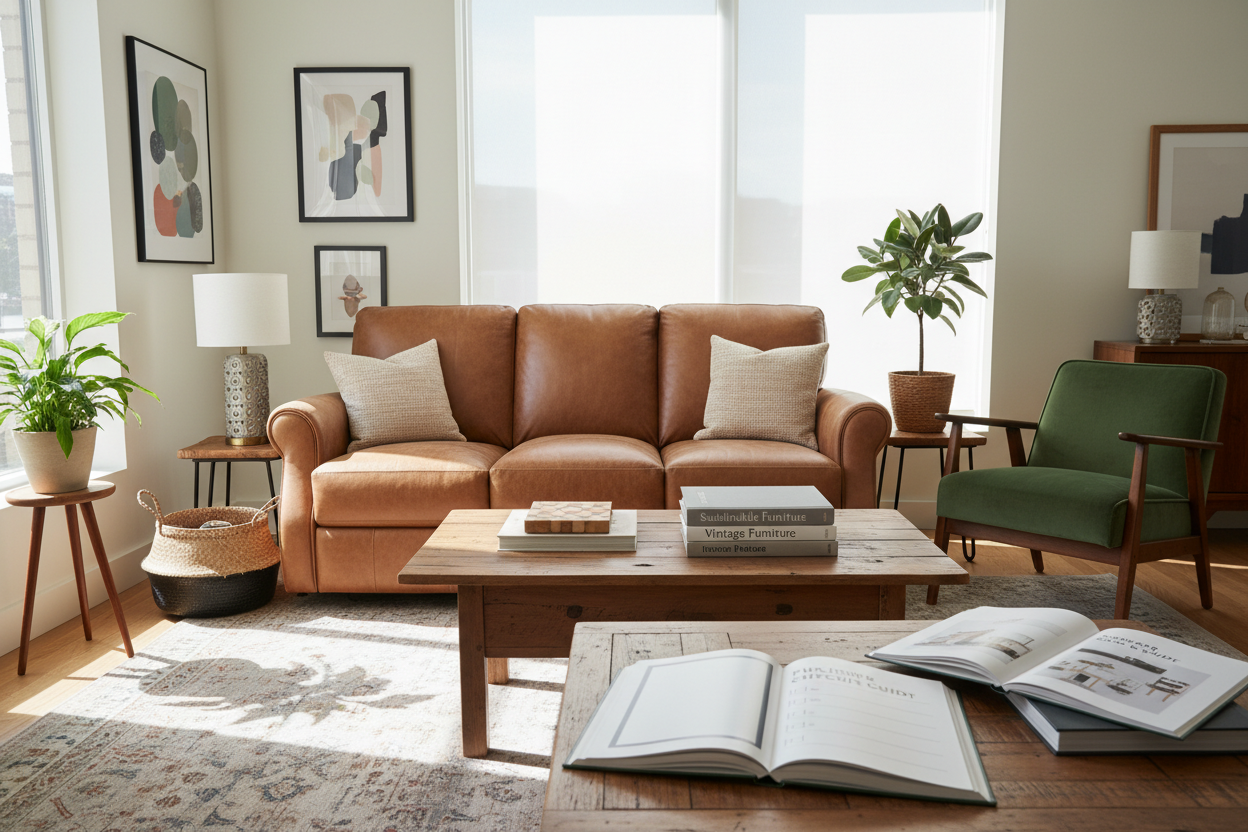
There is a pervasive myth in interior design that luxury requires a five-figure budget and a six-month lead time. I often find that the most character-rich interiors are curated, not cataloged. However, navigating the pre-owned market for mechanical furniture brings a unique set of challenges. Unlike a solid wood table, a recliner sofa second hand has moving parts, hidden suspension systems, and specific ergonomic wear patterns.
If you are looking to elevate your living space without the showroom markup, you need to approach this purchase with the critical eye of a specialist. This guide will walk you through inspecting, selecting, and styling pre-loved motion furniture to ensure your investment is sound.
Quick Decision Guide: Critical Inspection Points
Before you commit to a purchase, run through this rapid-fire checklist to filter out poor-quality pieces. This is the exact mental list I use when scouting for clients.
- Mechanism Fluidity: Listen for grinding or clicking sounds. The motion should be silent and smooth, whether manual or power.
- Frame Rigidity: Lift one front corner. If the opposite leg doesn't rise immediately, the frame has too much flex (torque) and may be compromised.
- Upholstery Integrity: Check the headrest and armrests for oil build-up. On leather, look for cracking; on fabric, check for pilling.
- Seat Foam Density: Press down firmly on the seat deck. It should rebound instantly. If it stays depressed, the foam core has collapsed.
- Visual Weight: Ensure the recliner doesn't look like a "marshmallow." Look for tailored lines that fit your room's scale.
Decoding Material Quality: Leather vs. Fabric
When browsing for a used recliner sofa, the material is the primary indicator of longevity. In my experience, this is where most buyers make costly mistakes.
The Truth About Second Hand Leather
A leather recliner sofa used can be a gem or a burden. You must distinguish between top-grain leather and bonded leather. Bonded leather—often marketed as "genuine leather"—is a slurry of leather scraps glued to a backing. Over time, this material peels and flakes, a defect that is impossible to repair cost-effectively. When looking at a second hand leather recliner sofa, press your finger into the material. Real leather wrinkles like skin; bonded leather creates a smooth, rounded depression.
Fabric and Hygiene
If you prefer a used couch recliner in fabric, prioritize performance weaves or darker tones. Textured fabrics like tweed or chenille hide wear better than flat weaves. However, smell is the dealbreaker. Smoke and pet odors permeate the foam, not just the fabric. If a piece has a distinct odor, walk away. No amount of steam cleaning fully removes nicotine from deep-set foam.
The Mechanics of Comfort: Manual vs. Power
In the world of used recliner couches for sale, you will encounter two main mechanism types. Each dictates how you should inspect the piece.
Manual Recliners: These rely on a tension spring and your body weight. Check the lever or pull-handle. Does it feel loose? A wobbly handle often indicates the cable is fraying inside the arm. This is a repairable issue, but use it as a bargaining chip to lower the price.
Power Recliners: When assessing a reclining sofa used with motors, test the full cycle three times. Motors often fail under load (when you are sitting on it) rather than when empty. Listen for a straining hum, which suggests the motor is nearing the end of its life.
Styling: Integrating Bulk into Your Aesthetic
The biggest design crime committed with recliners is poor spatial planning. Recliners are inherently bulky. To avoid the "dorm room" look, you must balance the visual weight.
If you buy a heavy leather recliner sofa second hand, do not pair it with delicate, spindly coffee tables. Anchor it with a substantial rug and a solid wood coffee table to create a cohesive vignette. Furthermore, ensure you have measured the "clearance"—the space required behind the sofa for it to fully recline. I recommend floating the sofa off the wall by at least 12 inches to allow for movement and to create a sense of airiness in the room.
Lessons from My Own Projects: The "Squeak" Test
I once sourced a stunning mid-century modern style used recliner sofa for sale for a client's library. Visually, it was perfect—cognac leather, sleek arms, tapered legs. It looked barely touched.
However, I made the mistake of only sitting on it briefly during the inspection. We bought it, moved it in, and the moment the client settled in for a two-hour movie, the suspension began to groan. It turned out a support spring had detached from the hardwood rail, but the noise only happened after the foam warmed up and compressed fully.
Since that project, I have a strict rule: I sit on any second-hand piece for at least five minutes during the viewing, shifting my weight aggressively. I also flip the sofa over to look at the dust cover underneath. If the black fabric bottom is torn or sagging, it usually means someone has been digging around in there to fix a mechanism issue previously. That project taught me that internal structural integrity is far more important than a pristine exterior finish.
Conclusion
Buying a recliner sofa second hand is a sustainable choice that allows you to access higher-quality construction than you might afford new. By focusing on the mechanism's health, the authenticity of the leather, and the density of the foam, you can secure a piece that offers comfort for years. Remember, in design, patience is your best tool. Wait for the piece that checks every box on your list.
Frequently Asked Questions
How do I transport a large used recliner sofa?
Most modern recliners have removable backs. Look for locking levers or clips at the base of the backrest, often hidden under a velcro flap. Releasing these allows you to slide the back off, making the sofa significantly easier to move through doorways and hallways.
Is it worth reupholstering a second hand recliner sofa?
Generally, no, unless the frame is exceptionally high-end (like a Stickley or Ekornes). Reupholstering a recliner is labor-intensive due to the moving parts. The labor cost often exceeds the price of buying a brand-new sofa. Focus on finding a piece with upholstery you can live with.
How can I sanitize a used fabric recliner?
Start with a thorough vacuuming using an upholstery attachment. For sanitizing, use a steam cleaner, but be careful not to oversaturate the foam, which can cause mold. For a deep clean, I recommend hiring a professional upholstery cleaner who uses hot water extraction, as this removes deep-seated allergens.


Leave a comment
This site is protected by hCaptcha and the hCaptcha Privacy Policy and Terms of Service apply.