










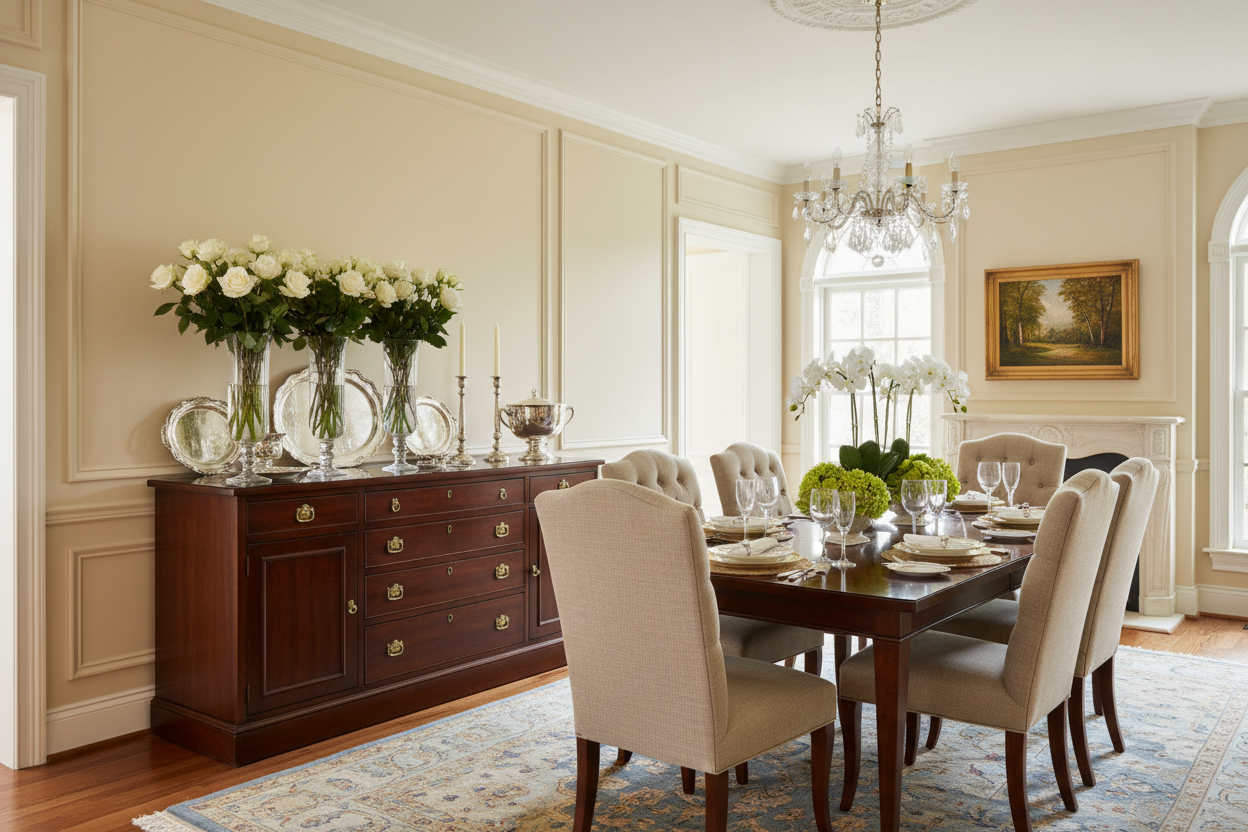
When designing a dining area that feels both functional and stylish, the choice of furniture plays a central role. A well-selected buffet and dining table combination not only enhances the aesthetic appeal but also provides practical storage and serving solutions. From classic wooden finishes to sleek modern designs, these pieces can complement a wide range of interiors, making your dining space more inviting and organized.
Choosing the Right Buffets Tables for Your Home
Buffets tables are versatile pieces designed to hold dishes, serveware, and decorative items. Traditionally positioned against a wall in the dining room, they can also serve as a statement piece in open-plan living spaces. When selecting a buffet table, consider its storage capacity, surface area, and design style. Whether you prefer cabinets and buffets with intricate carvings or minimalistic lines, the key is to match your buffet with the existing decor for a harmonious feel.
The Dining Room Buffet Table: Function Meets Beauty
A dining room buffet table isn't just for storing plates and linens—it often becomes the focal point of gatherings. During family dinners or holiday celebrations, the buffet serves as an additional surface for presenting dishes, desserts, or beverages. The balance of form and function is essential; opt for dining tables and sideboards that mirror your dining table's design elements, creating a cohesive look. For example, pairing a rustic oak buffet with a farmhouse-style dining table can bring warmth and character to the room.
Furniture Sideboards and Buffets as Everyday Storage
Furniture sideboards and buffets make daily life simpler by offering accessible storage for the items you use most. This can include cutlery, table linens, or seasonal dinnerware. Beyond practicality, sideboards dressers can double as display areas for your favorite decor—think framed photos, candles, or seasonal flower arrangements. In smaller spaces, even a compact cabinet can make a significant difference, providing both style and utility without overwhelming the room.
Design Styles for Dining Room Furniture Buffet
The design of your dining room furniture buffet should reflect your overall home style. For traditional interiors, opt for rich wood tones, intricate detailing, and classic hardware. In contemporary spaces, streamlined cabinets and buffets with clean lines and neutral finishes can seamlessly blend in while still making a statement. Mixing materials, such as wood and metal, can create an interesting visual contrast that elevates your dining area’s character.
Personal Experience: Finding the Perfect Buffet
When I moved into my current home, I struggled to find a buffet that complemented my dining table. My dining set was a modern walnut finish with simple chairs, and most buffets I saw leaned too traditional. Eventually, I discovered a mid-century inspired dining room buffet table with a walnut veneer and matte black legs. It not only matched the table perfectly but also provided ample storage for my collection of serving platters. Now, it’s the go-to spot during dinner parties, and guests often compliment its sleek look.
Integrating Dining Tables and Sideboards
Pairing dining tables and sideboards is an art. The most successful combinations share a common theme, whether it be material, color, or style. For open-concept spaces, coordinate the finishes across all dining room furniture buffet pieces to avoid visual clutter. Light-colored buffets can complement white or natural oak dining tables, while darker tones create a dramatic and sophisticated ambiance.
Care and Maintenance Tips
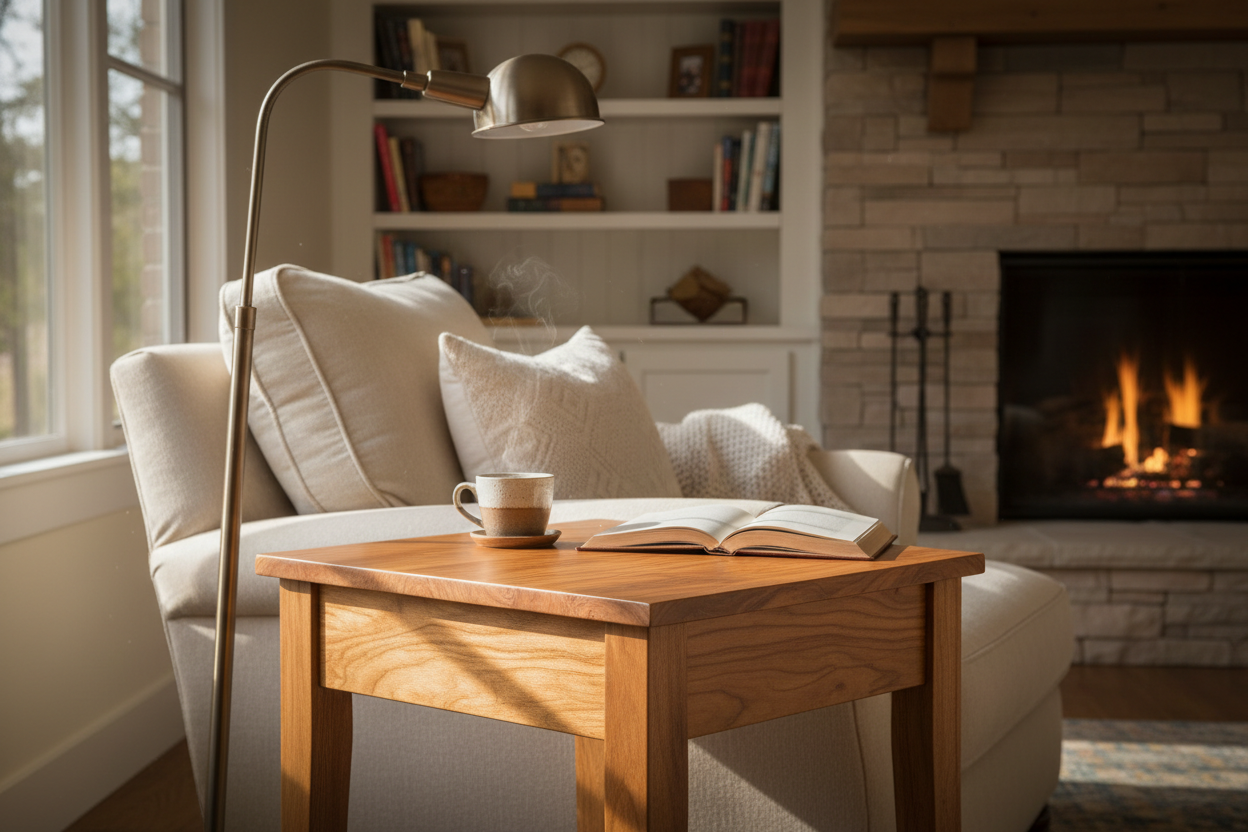
Investing in quality furniture sideboards and buffets means committing to their care. Use coasters and placemats to protect surfaces from spills and scratches. Regular dusting with a soft cloth will maintain the finish, and occasional polishing will bring out the beauty of wood grain or lacquer. For cabinets and buffets with glass doors, clean them with a non-abrasive solution to keep the display area pristine.
Making the Most of Your Dining Room Space
Space planning is as important as furniture selection. Ensure your dining table and buffet placement allows for comfortable movement, especially during gatherings. A good rule of thumb is to leave at least 36 inches between the table and the buffet, so guests can access storage without disrupting seated diners. Thoughtful arrangement, combined with quality pieces like sideboards dressers, will result in a space that is both beautiful and practical.
Ultimately, the right buffet and dining table pairing can redefine your dining experience. By balancing style, storage, and functionality, you can create an environment that encourages togetherness, reflects your personality, and stands the test of time.

Leave a comment
This site is protected by hCaptcha and the hCaptcha Privacy Policy and Terms of Service apply.