










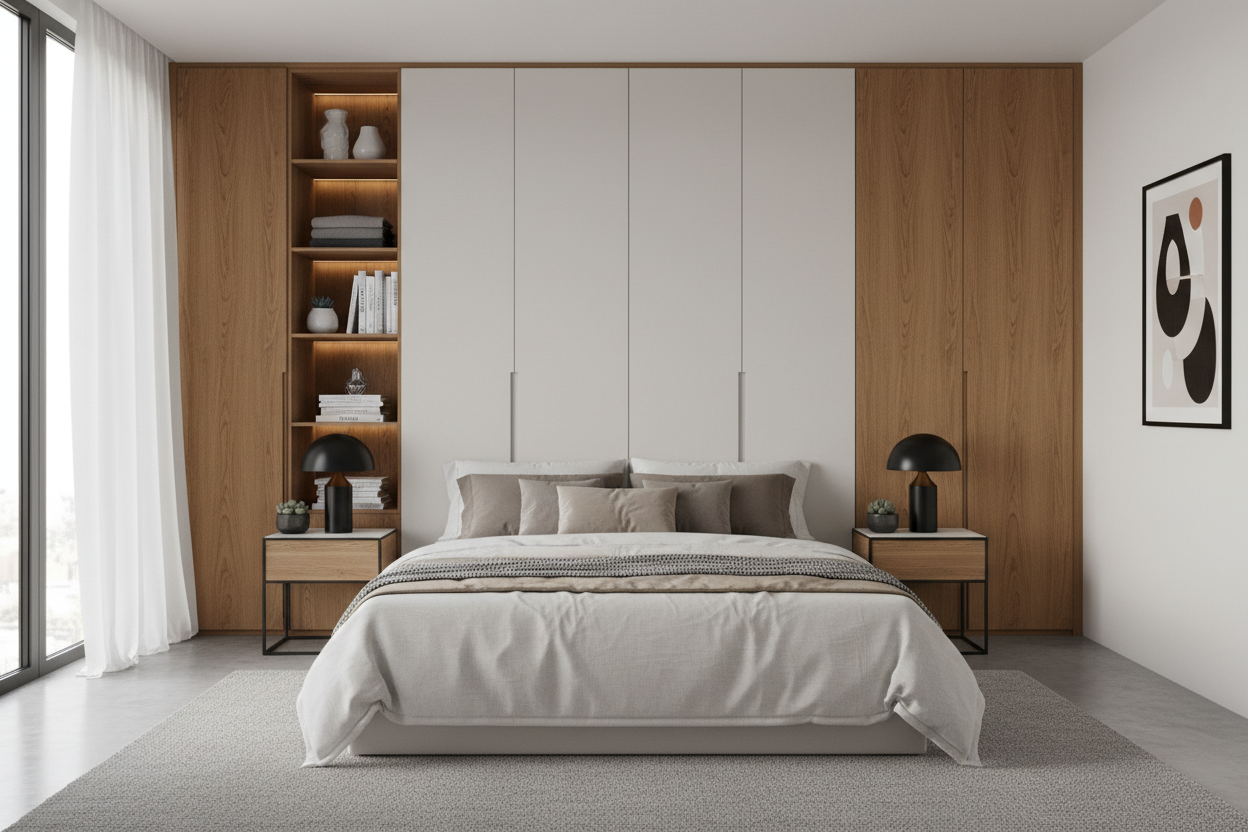
We have all faced the specific frustration of the bedroom "chair"—that one piece of furniture that inevitably becomes a mountain of semi-clean clothes because your current closet system is failing you. As a designer, I see this not as a discipline problem, but as a spatial planning failure. The solution often lies in a dedicated, freestanding storage cabinet wardrobe that bridges the gap between architectural built-ins and standard dressers.
Key Features to Look For
- Internal Depth: Ensure a minimum of 24 inches (60cm) if you plan to hang coats or blazers; anything less causes sleeves to bunch against the doors.
- Joinery Quality: Look for dovetail joints in drawers and metal-on-metal cam locks rather than simple glue or staples for longevity.
- Hardware: Heavy-duty, soft-close hinges are non-negotiable to prevent door sagging over time.
- Material Core: Prioritize plywood or solid wood framing over low-density particle board, which tends to bow under the weight of clothing.
Selecting Materials: Beyond the Aesthetic
When curating furniture for a master suite, the visual weight of the piece is just as important as the storage capacity. Many homeowners make the mistake of buying large dress cabinets in dark, heavy finishes for small rooms, which immediately makes the space feel claustrophobic.
For a sophisticated look, consider the finish carefully. High-gloss lacquers reflect light and can make a large wardrobe storage cupboard feel less intrusive. Conversely, a matte, natural oak veneer brings warmth and texture but absorbs light, requiring better ambient lighting in the room. If you are looking for longevity, avoid paper-foil finishes often found in budget big-box stores; they will peel at the edges within two years of daily use.
Maximizing Vertical Real Estate
One of the most underutilized assets in bedroom design is ceiling height. A standard height unit often leaves a "dust gap"—that awkward foot of space above the unit that collects boxes and dust bunnies. To truly elevate the space, I recommend sourcing a wardrobe with storage on top or adding a matching top-box unit.
By extending the cabinetry closer to the ceiling, you draw the eye upward, creating an illusion of grandeur while gaining valuable storage for off-season items like heavy winter duvets or luggage. It mimics the look of custom millwork without the contractor's price tag.
Internal Configuration and Ergonomics
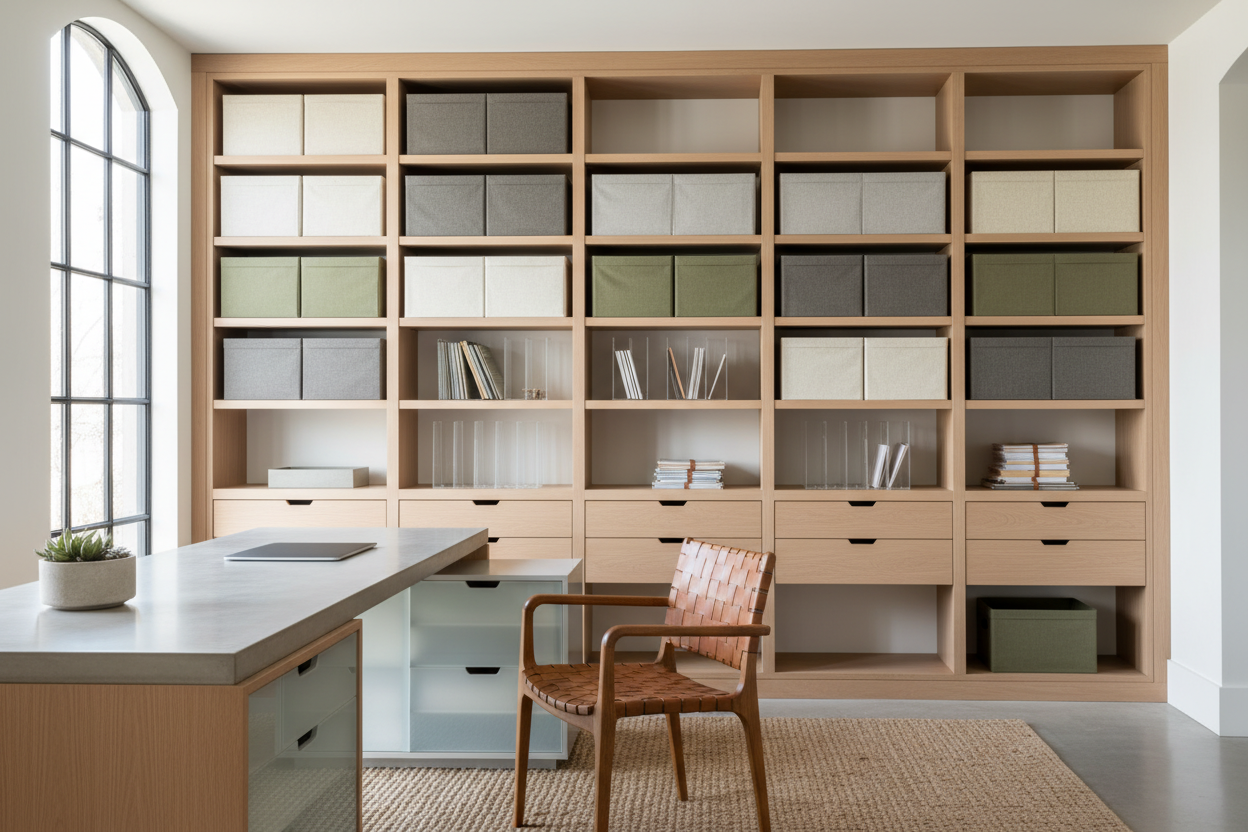
The difference between a chaotic closet and a functional wardrobe and storage cabinet lies in the internal layout. A common design error is prioritizing hanging space over shelving. Unless you have an extensive collection of formal wear, a 60/40 split favoring shelves and drawers is usually more practical for modern wardrobes focused on knitwear, denim, and activewear.
The Hybrid Approach
Look for units that offer adjustable shelving. Your storage needs will change; your furniture should adapt. A versatile unit allows you to remove a lower shelf to accommodate long boots or stack shelves tightly for flat shoes and sweaters.
Lessons from My Own Projects
I want to share a specific mistake I made early in my career so you don't have to repeat it. I once specified a gorgeous, Italian-imported wardrobe for a client's pre-war apartment. We measured the wall perfectly—it was going to fit like a glove.
However, I failed to account for the sliding door mechanism depth. On paper, the unit was 24 inches deep. But the internal usable depth was only 21 inches because the sliding track took up 3 inches. When the client tried to hang his broad-shouldered suit jackets, the sleeves got caught in the sliding mechanism every single time he opened it. It was a nightmare.
We had to retroactively install a forward-facing pull-out rail instead of a standard hanging rod, which reduced capacity by half. Now, I carry a tape measure to the showroom and measure the internal clearance, not just the external footprint. Always deduct the door thickness and track space from your calculations.
Conclusion
Investing in the right storage piece is about reclaiming your peace of mind. A well-chosen cabinet does more than hide clutter; it anchors your room's design and streamlines your morning routine. Measure twice, prioritize hardware quality, and choose a finish that brings you joy every time you reach for a shirt.
Frequently Asked Questions
What is the difference between a wardrobe and a storage cabinet?
While the terms are often used interchangeably, a wardrobe is specifically designed with a hanging rail for clothes. A storage cabinet generally relies on shelving. The best modern units combine both, offering a hybrid solution for varied storage needs.
How much clearance do I need in front of the wardrobe?
If you choose hinged doors, you need to allow for the width of the door plus at least 24 inches (60cm) of walkway space to stand comfortably and open drawers. If space is tight, opt for sliding doors, which require zero clearance to open.
Can I place a heavy storage wardrobe on carpet?
Yes, but be cautious. Heavy units can settle unevenly on thick pile carpet, causing the doors to misalign. I always recommend using a wall anchor for safety and shimming the base to ensure the unit is perfectly level, which keeps the joinery stress-free.

Leave a comment
This site is protected by hCaptcha and the hCaptcha Privacy Policy and Terms of Service apply.