











There is a distinct tension in interior design between the desire for minimalism and the absolute necessity of storage. We all want that clean, architectural surface, but the reality of working from home requires a place for the stapler, the charging cables, and the paperwork. This is where the integration of drawers and desk becomes the most critical decision in your office layout. It is not merely about buying a table; it is about selecting a workstation that balances visual weight with functional capacity.
Key Features to Look For
Before committing to a purchase, review this checklist to ensure the piece meets professional standards for longevity and ergonomics:
- Joinery Quality: Look for dovetail or box joints in the drawer construction rather than staples and glue.
- Slide Mechanism: heavy-duty, full-extension ball-bearing slides prevent the drawer from sticking or sagging over time.
- Apron Height: Ensure the distance from the floor to the bottom of the central drawer allows at least 24-25 inches of clearance for your legs.
- Material Composition: Distinguish between solid hardwoods, high-grade veneers, and particle board, as this dictates the desk's load-bearing limit.
Balancing Visual Weight and Storage
When selecting a drawer office desk, you are essentially managing the "visual weight" of the room. A desk with heavy, double-pedestal drawers grounded to the floor commands authority but can make a small room feel claustrophobic.
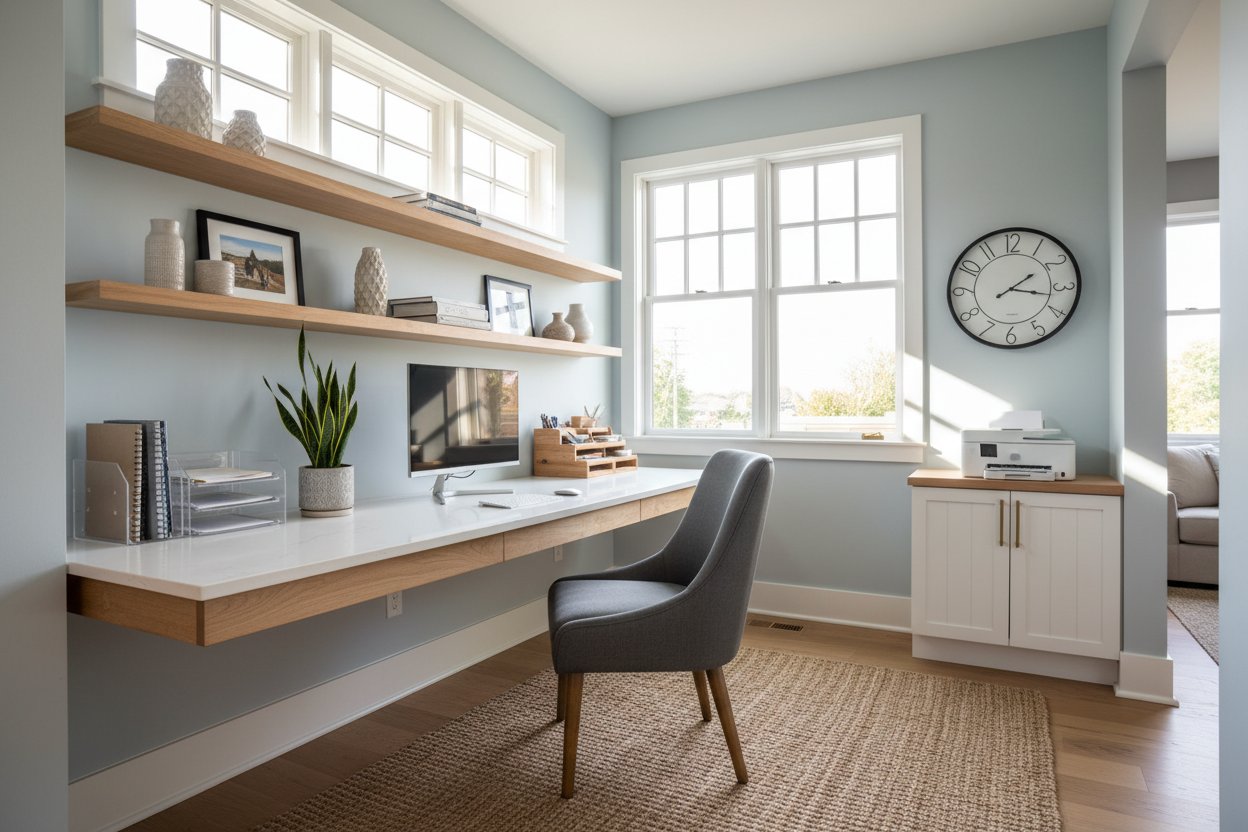
For tighter footprints, I often recommend a table with drawers for office use that features tapered legs and a shallow frieze drawer. This silhouette allows light to pass underneath the furniture, maintaining an airy atmosphere while still providing essential utility. If you require substantial storage, consider a floating desk design where the drawers are mounted to the wall, keeping the floor plane uninterrupted.
Material Integrity and Finishes
The durability of your workspace depends entirely on the finish. High-traffic areas require a surface that resists the heat of a laptop and the abrasion of handwriting. While solid wood is the gold standard for an office table with drawers, high-pressure laminates and engineered veneers have come a long way in mimicking natural grain without the susceptibility to water rings.
The Hardware Factor
Never overlook the pulls and knobs. In a drawers with desk configuration, the hardware is the jewelry of the piece. Knurled brass or matte black handles can instantly modernize a traditional silhouette. However, ensure the hardware doesn't protrude awkwardly where it might snag clothing or impede your seating position.
Organizing the Interior
The exterior aesthetic is meaningless if the interior creates chaos. Home desk drawers are often shallower than commercial filing cabinets. Look for desks that offer integrated dividers or velvet-lined bottoms. This prevents pens and tools from rolling to the back every time you close the drawer, preserving the organization and reducing the noise of shifting supplies.
My Personal Take on Drawers and Desk
I recall a project I worked on for a client in a converted loft who insisted on a stunning, vintage mid-century modern desk. It was beautiful—teak finish, floating top—but it had a deep central drawer. We bought it without testing it with his specific office chair.
Within a week, he called me complaining of back pain. The issue wasn't the chair; it was the desk. The central drawer reduced the knee clearance to about 23 inches. To fit his legs under it, he had to lower his chair to an unergonomic height, throwing off his typing posture. We eventually had to have a carpenter shave down the drawer box and remount the tracks to gain an inch and a half of clearance.
The lesson? Don't just look at the width and depth of the desktop. Always measure the "knee-hole" height. That beautiful drawers and desk combo is useless if you can't sit at it comfortably for eight hours.
Conclusion
Selecting the right desk is an investment in your productivity and your posture. By focusing on joinery, clearance, and material quality, you move beyond simple furniture shopping and into curating a workspace that serves you. Prioritize ergonomics first, and the aesthetic appeal will naturally follow.
Frequently Asked Questions
What is the standard height for a desk with drawers?
Most standard desks stand 29 to 30 inches high. However, if the desk has a thick top or under-mount drawers, verify that the clearance for your legs is at least 24 inches to avoid cramping.
Can I add drawers to a simple table desk later?
Yes, you can purchase under-desk drawer units or mobile pedestals. However, ensure the finish matches or intentionally contrasts with your existing table to maintain a cohesive look.
How do I maintain wood desk drawers?
Lubricate metal slides annually with a silicone-based spray. For wood-on-wood runners, applying a streak of beeswax or paraffin wax will keep the action smooth and prevent sticking during humid weather.

Leave a comment
This site is protected by hCaptcha and the hCaptcha Privacy Policy and Terms of Service apply.