


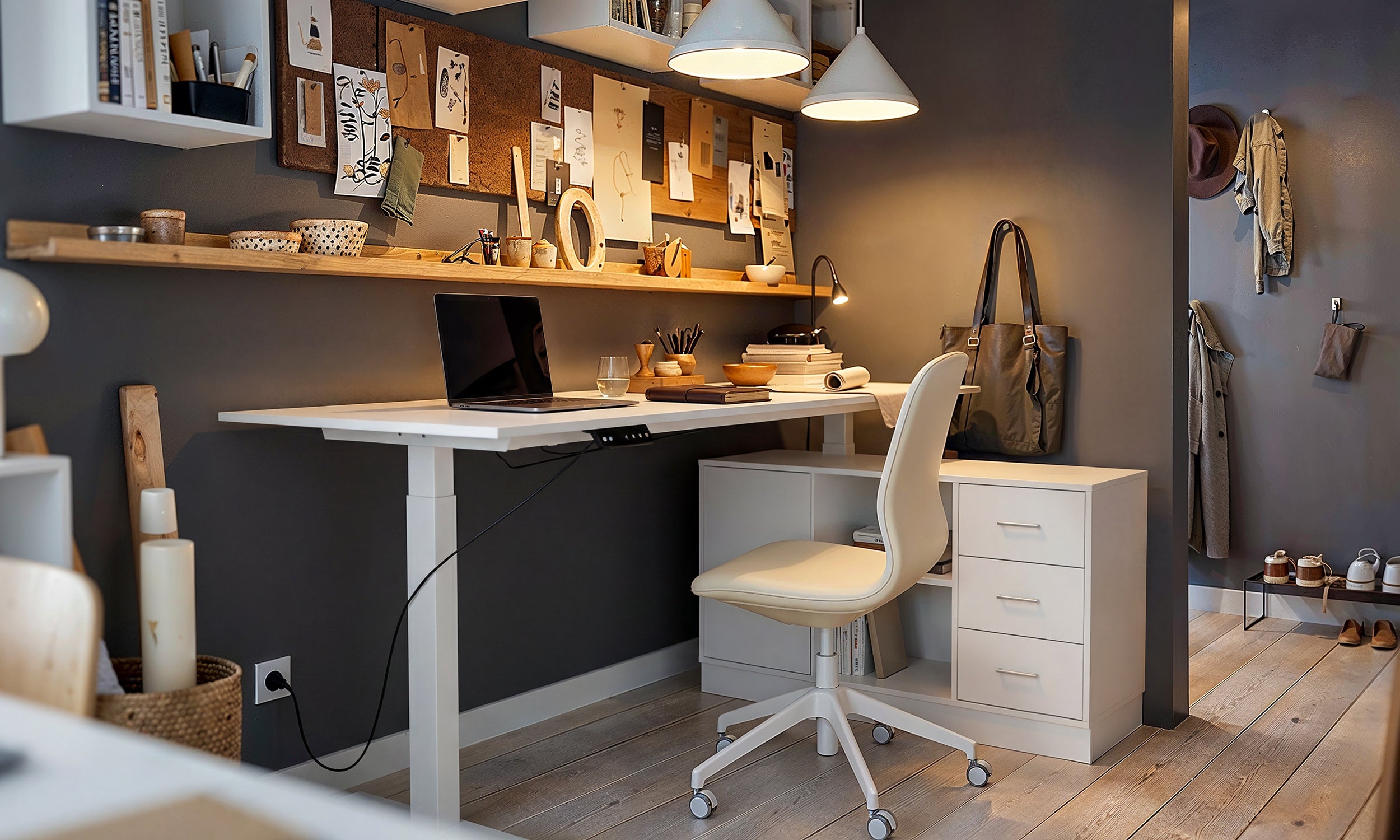
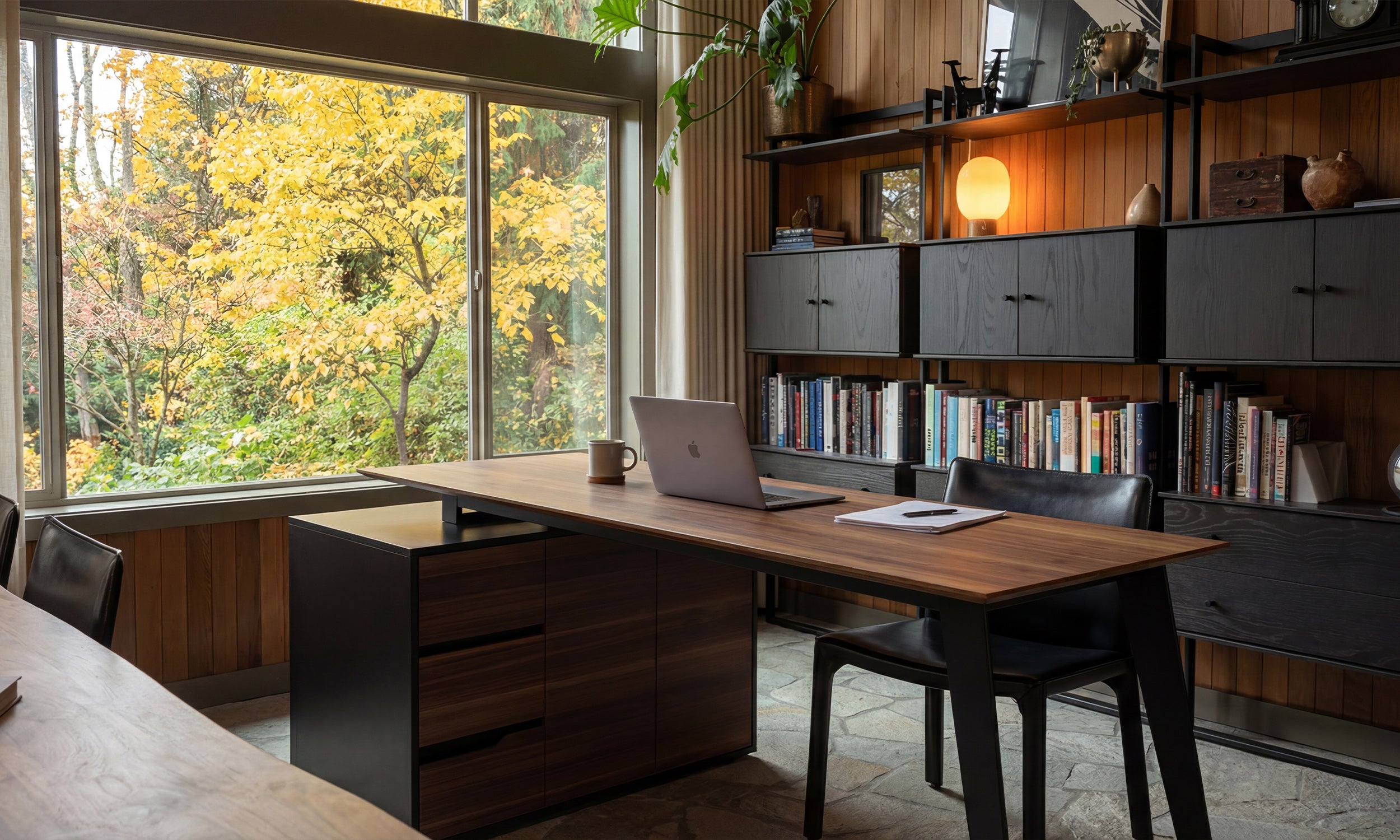


Choosing the correct front desk height is one of the most critical decisions when furnishing a commercial lobby, medical practice, boutique salon, or shared creative studio. The front desk serves as the architectural focal point of your business, establishing visitor check-in habits and setting an immediate hospitality standard. Selecting the appropriate front desk height ensures that guests feel greeted warmly while office staff work comfortably throughout long shifts.
Because lobby furniture must serve two distinct parties—the standing or approaching guest and the seated or active employee—front desk height planning requires balancing ergonomic utility with entryway presentation. Whether you are exploring a dedicated reception stand for a boutique entrance or evaluating dual-tiered reception desk heights, finding the proper front desk height creates an orderly, functional entry area.
Understanding Front Desk Height and Dual-Level Layouts
Most commercial greeting stations feature a dual-tier design that separates operational tasks from guest interactions. In these configurations, the staff work surface sits lower than the upper transaction counter. Evaluating your front desk height through this two-zone lens helps ensure that computer screens, appointment tablets, and paperwork remain discreetly hidden from visitors while remaining accessible to staff.
The height of a reception desk directly impacts personal privacy and sightlines. A raised privacy screen or upper greeting ledge keeps confidential customer files, card terminals, and keyboards shielded from public view. At the same time, the receptionist counter height should remain low enough that staff members can make direct eye contact with arriving clients without feeling walled off. A well-proportioned front desk height balances welcoming hospitality with administrative boundaries.
What is the difference between seated and standing reception counter height?
The primary difference between seated and standing reception counter height lies in whether the surface is intended for extended desk work or quick, upright visitor interactions. A traditional seated desk surface aligns with standard office task chairs, whereas a standing reception counter reaches higher to allow visitors to sign slips, review digital rosters, or collect badges comfortably while on their feet.
When comparing reception desk heights, businesses typically select one of two primary configurations, or combine both into a multi-tiered unit:
- Seated work surface: Matches conventional desk levels, allowing staff to sit comfortably with adequate legroom clearance and relaxed shoulders for typing and phone management.
- Standing reception counter: Elevated for approaching guests, this greeting ledge accommodates rapid visitor check-in, pen-and-paper signing, or mobile device swiping.
- Dual-level front desk height combinations: Combines a lower interior work surface with an elevated front transaction counter, providing staff comfort and guest convenience simultaneously.
When planning your entryway layout, exploring a dedicated reception desk collection helps you compare compact check-in stands with multi-tier executive front counters. Deciding on the best front desk height often depends on the flow of your lobby. High-traffic environments, such as walk-in medical clinics or express nail salons, frequently favor a standing height reception desk or standing front desk because guests arrive in rapid succession and depart quickly.
How high should a standing reception desk transaction counter be?
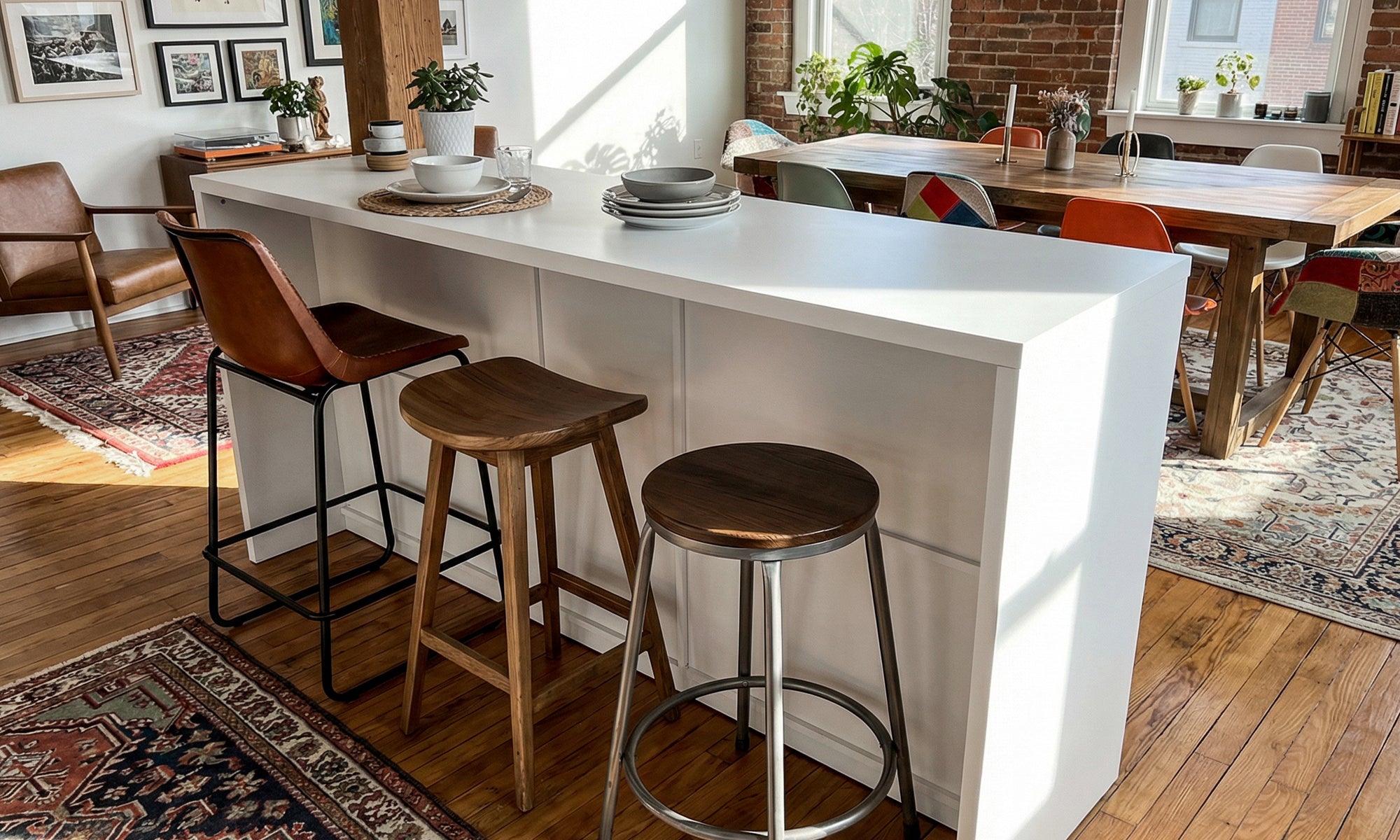
A standing reception desk transaction counter should align comfortably with the average adult elbow level so that visitors can write or view screens without excessive bending. The standing reception desk height must accommodate natural posture for guests who step up to register, present identification, or make payments.
For businesses that prioritize active greeting, a stand up reception desk or dedicated standing reception desk creates an immediate sense of alertness and modern flair. In dynamic environments where receptionists frequently move between file cabinets, client seating, and display shelves, a standing receptionist desk eliminates constant standing-to-sitting transitions. Furthermore, the overall height of reception desk counter profiles can convey formality; higher facades create greater privacy, while slightly lower ledges feel open and conversational.
When evaluating a standing height reception desk, consider how both the host and the visitor interact over the ledge. If the transaction counter is set too high, it creates an imposing barrier that can make guests feel disconnected. Conversely, a front desk height that is set too low may cause standing visitors to stoop awkwardly when signing documents during visitor check-in.
Sit-to-Stand and Height Adjustable Reception Options
Modern workplaces increasingly value flexibility, leading many facilities to install an adjustable height reception desk or sit stand reception desk. Traditional static desks lock receptionists into one posture for hours, but a sit to stand reception desk allows staff to raise or lower their work surface throughout the day to combat fatigue.
Offices that require both paperwork organization and daily ergonomic variety often incorporate a height adjustable standing product with integrated storage behind a partition wall. By positioning a height adjustable reception desk behind a fixed architectural privacy screen or higher facade, you preserve an elevated receptionist counter height for standing guests while allowing the interior work surface to move freely. This setup gives the receptionist complete control over their physical comfort without altering the exterior front desk height presented to the lobby.
If you choose a reception standing desk or dynamic stand up reception desk frame, keep functional logistics in mind:
- Continuous cable management: Ensure monitor power cables, phone cords, and payment terminal connections have ample slack to rise smoothly without catching on frames or storage drawers.
- Clear vertical travel paths: Confirm that the moving work surface clears under-desk pedestals, side panels, and modesty shields across its entire range of motion.
- Stable foundation: A motorized standing front desk must maintain rigid balance when extended, preventing monitor shake during rapid keyboard entry.
Choosing Desk Dimensions and Layouts for Small Spaces
Not every office lobby has room for an expansive curved workstation. In tighter waiting rooms, a small standing reception desk or narrow reception stand offers the best balance of footprint and utility. A compact reception layout keeps walkways clear while still defining a clear point of contact for guests.
For deeper reception returns and multi-monitor check-in terminals, reviewing a standing desk sit guide provides helpful tips on arranging equipment without crowding the greeting counter. When selecting a small standing reception desk, carefully evaluate your room dimensions. Maintain generous walking paths between the front desk height facade and opposite seating, entry doorways, and hallways so that foot traffic flows naturally.
Even a modest standing receptionist desk should offer practical organizational elements. Look for models with built-in storage drawers, interior shelving, and dedicated legroom clearance for when staff utilize a high drafting stool. By keeping clutter stowed away behind a tidy front desk height panel, even a petite reception standing desk presents an organized, professional image.
Materials, Countertop Durability, and Cable Storage
Because the transaction counter encounters daily contact from bags, laptops, keys, and payment devices, surface durability is just as important as front desk height. Look for resilient materials such as high-pressure laminate, scratch-resistant engineered boards, or sealed wood finishes that resist scuffs, coffee spills, and cleaning sprays.
Wire organization is another crucial factor when coordinating front desk height and counter profiles. An otherwise beautiful standing reception desk can quickly look disorganized if cords dangle across the staff work surface or peek over the privacy screen. Integrated grommets, under-desk cable trays, and internal conduit channels guide power lines directly to wall outlets, maintaining pristine sightlines.
Finally, ensure your front desk height remains level and secure on all floor types. High-traffic lobby furniture should feature heavy-duty base construction and adjustable leveling feet to compensate for uneven tile or hardwood. A sturdy, properly sized front desk height anchors your lobby with enduring polish and welcoming convenience.


Leave a comment
This site is protected by hCaptcha and the hCaptcha Privacy Policy and Terms of Service apply.