










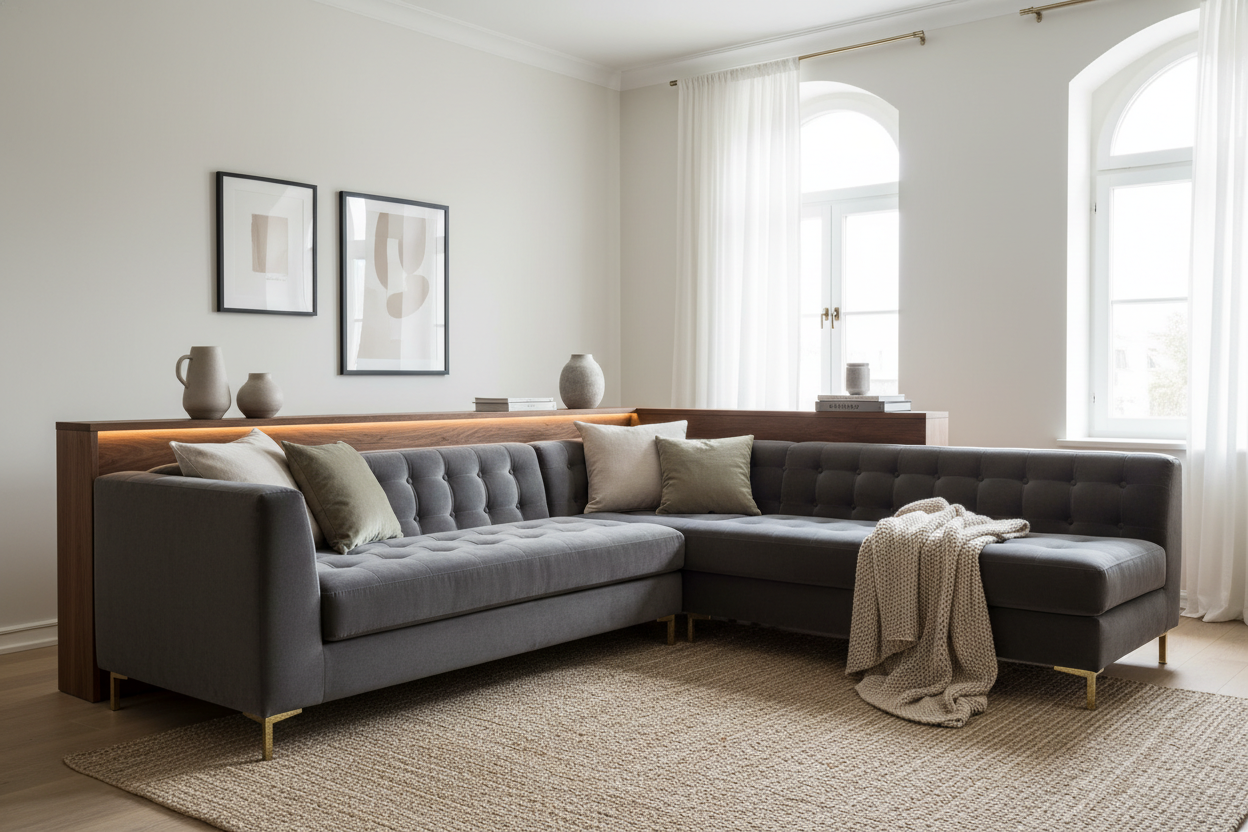
We have all been there: standing in a vast warehouse, staring at a sea of flat-pack boxes, torn between the budget-friendly price tag and the desire for a curated, high-end aesthetic. The dilemma isn't whether to buy; it's whether an ikea couch design can truly anchor a room without screaming "temporary furniture." As a designer who has furnished everything from starter apartments to expansive family homes, I can tell you that with the right eye for silhouette and texture, these pieces can transcend their mass-produced origins.
Quick Decision Guide: Key Features to Look For
Before heading to the checkout, evaluate these critical factors to ensure your selection offers longevity and style. This checklist prioritizes structural integrity and design flexibility:
- Modular Capabilities: Look for series (like the Söderhamn or Vimle) that allow you to reconfigure the layout as your needs change.
- Fabric Durability (Martindale Count): Check the rub count. For high-traffic family rooms, aim for 25,000+ cycles to resist pilling.
- Frame Construction: Opt for solid wood or plywood reinforcements over pure particleboard for better weight distribution.
- Silhouette Profile: Choose designs with clean lines and removable legs, allowing for easy hardware upgrades later.
- Cushion Fill: Understand that high-resilience foam holds shape longer, while fiber balls offer a softer, more casual "lived-in" look.
Analyzing the Silhouette and Scale
The most common error homeowners make is ignoring visual weight. In interior design, scale is paramount. When evaluating an ikea sofa design, look past the showroom staging. Many models sit lower to the ground than traditional upholstery, which is excellent for modern, low-ceilinged spaces but can feel diminutive in a room with twelve-foot ceilings.
To achieve a sophisticated look, focus on the arms. A slim, track arm (like on the Kivik) maximizes seating width in small apartments, whereas a rolled arm suggests a more traditional, farmhouse aesthetic. If you are aiming for a contemporary Italian vibe, look for deep seats and low back profiles, which encourage lounging and keep sightlines open across the room.
Elevating Materiality and Texture
The standard polyester weaves available off the shelf are functional, but they often lack the tactile richness of luxury furniture. This is where the real design magic happens. Treat the IKEA frame as a canvas. The most effective way to elevate the piece is by bypassing the stock cover—or using it as a backup—and investing in third-party slipcovers.
By upgrading to a heavy-weight linen, a rich velvet, or a textured bouclé, you instantly change how light interacts with the furniture. A matte, natural fabric absorbs light and softens the room's acoustics, while a tight-weave cotton can sharpen the silhouette. Furthermore, consider the legs. Swapping the standard birch or plastic legs for custom walnut, brass, or matte black tapered legs creates visual lift and mimics the detailing found in bespoke joinery.
Ergonomics and Comfort Customization
A beautiful sofa is useless if it is uncomfortable. One critique of mass-market furniture is that the foam can feel stiff initially or degrade too quickly. From an ergonomic standpoint, you need to assess the seat depth. A deep seat (over 24 inches) requires throw pillows for lumbar support if you intend to sit upright, but it is perfect for curling up.
If you find the stock cushions too firm, a common designer trick is to wrap the foam core in a layer of batting or even add a feather-down topper inside the casing. This softens the "boxy" appearance and provides that sink-in feeling associated with much more expensive brands.
Lessons from My Own Projects: The "Connector" Issue
I want to share a specific, unpolished reality from a project I lead in a minimalist downtown loft. We utilized a modular ikea couch design to create a massive, fifteen-foot sectional. Visually, it was stunning—draped in custom sand-colored linen.
However, here is the detail the catalog won't tell you: on the polished concrete floors, the modular sections kept drifting apart. The standard plastic U-clips provided to hold the pieces together had too much "give," and every time someone flopped down, a gap would form between the chaise and the loveseat. It looked sloppy.
My fix was pragmatic and invisible. We ended up using heavy-duty zip ties underneath the frame to bind the legs of adjacent modules tightly together, and we applied high-grip rubber pads (not felt) to the feet. If you are placing a modular unit on hardwood or tile, do not rely solely on the factory connectors; you need that extra friction to keep the vignette tight and professional.
Conclusion
Great style is not defined by the price on the receipt, but by the intention behind the design. By selecting the right silhouette, upgrading the tactile elements, and solving the minor functional quirks, you can integrate an IKEA piece into a home that feels curated and personal. Trust your eye, measure twice, and don't be afraid to hack the design to make it your own.
Frequently Asked Questions
How do I stop my IKEA sofa cushions from sagging?
Regular maintenance is key. Rotate and flip the cushions weekly to ensure even wear on the foam. If the back cushions are fiber-filled, "fluff" and punch them vigorously to redistribute the fill. For seat cushions that have flattened over years, you can purchase high-density upholstery foam cut-to-size from a local fabric store to replace the cores.
Can I fit a large IKEA sectional in a small apartment?
Yes, because most models come flat-packed. This is a massive advantage for narrow hallways or spiral staircases where a traditional sofa wouldn't fit. Once inside, focus on a layout that pushes the sofa against the wall or floats it centrally if you have an open plan, ensuring you maintain at least 30 inches of walking clearance around the perimeter.
Are the covers actually machine washable?
Most removable covers are machine washable, but always check the specific care tag. As a precaution, I recommend putting the covers back on the frame while they are still slightly damp. This prevents the fabric from shrinking too much in the dryer and ensures a tight, wrinkle-free fit as they dry completely.

Leave a comment
This site is protected by hCaptcha and the hCaptcha Privacy Policy and Terms of Service apply.