










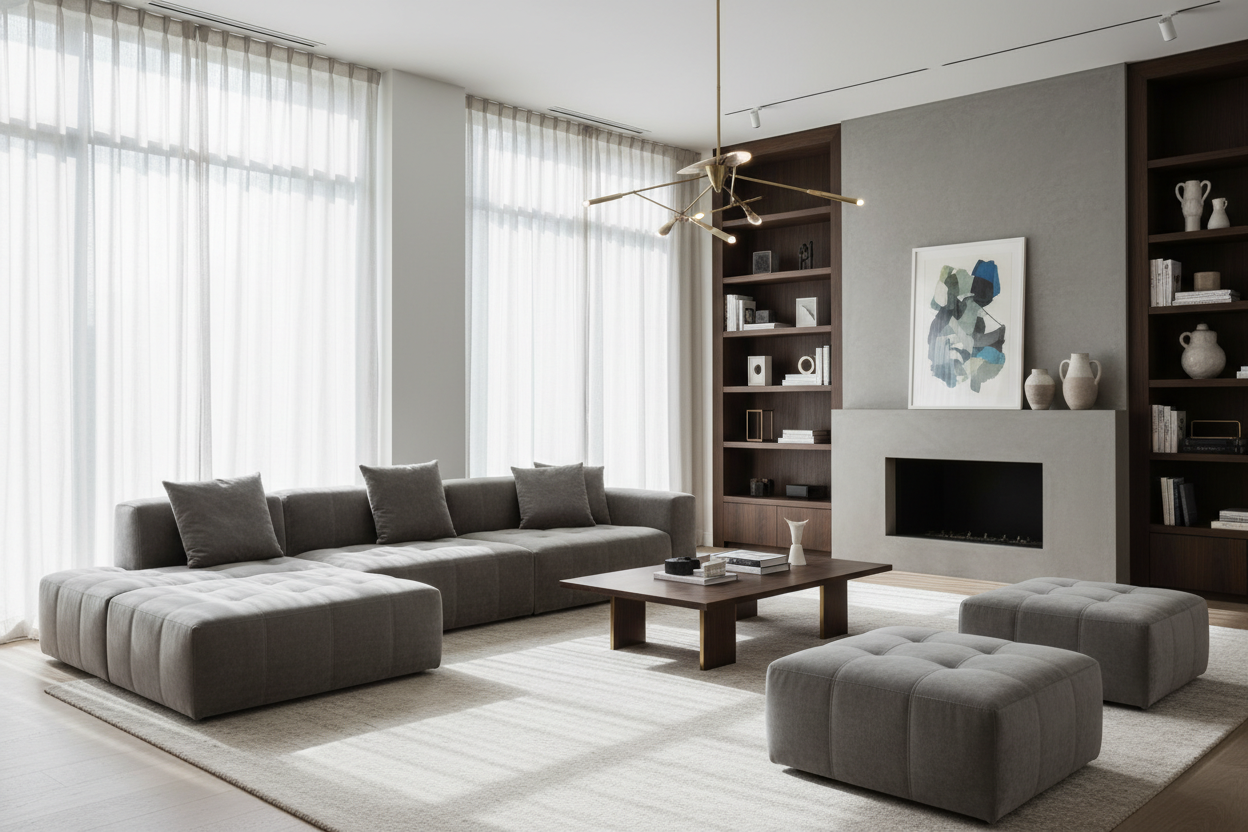
In the world of interior design, rigidity is often the enemy of comfort. Homeowners frequently struggle with static furniture layouts that dictate how a room must be used, rather than the other way around. This is where the cube sofa enters the conversation, offering a level of spatial fluidity that traditional three-seaters simply cannot match. As a modular solution, it shifts the paradigm from buying a piece of furniture to investing in a seating ecosystem that evolves with your lifestyle.
Key Features to Look For
Before committing to a purchase, review these critical specifications to ensure you are selecting a system that balances longevity with aesthetic appeal:
- Connector Mechanism: Look for heavy-duty alligator clips or ratcheting connectors under the chassis to prevent modular sofa cubes from drifting apart.
- Seat Depth & Height: A true cube furniture sofa often has a lower profile (seat height around 15-17 inches). Ensure this ergonomic fit works for your household.
- Fill Composition: For a soft cube sofa feel, prioritize a mix of high-density memory foam wrapped in down or a synthetic down alternative to prevent sagging.
- Upholstery Durability: Since cube couch systems are often rearranged, choose fabrics with a high Martindale rub count (over 30,000) to withstand friction.
Mastering the Modular Layout
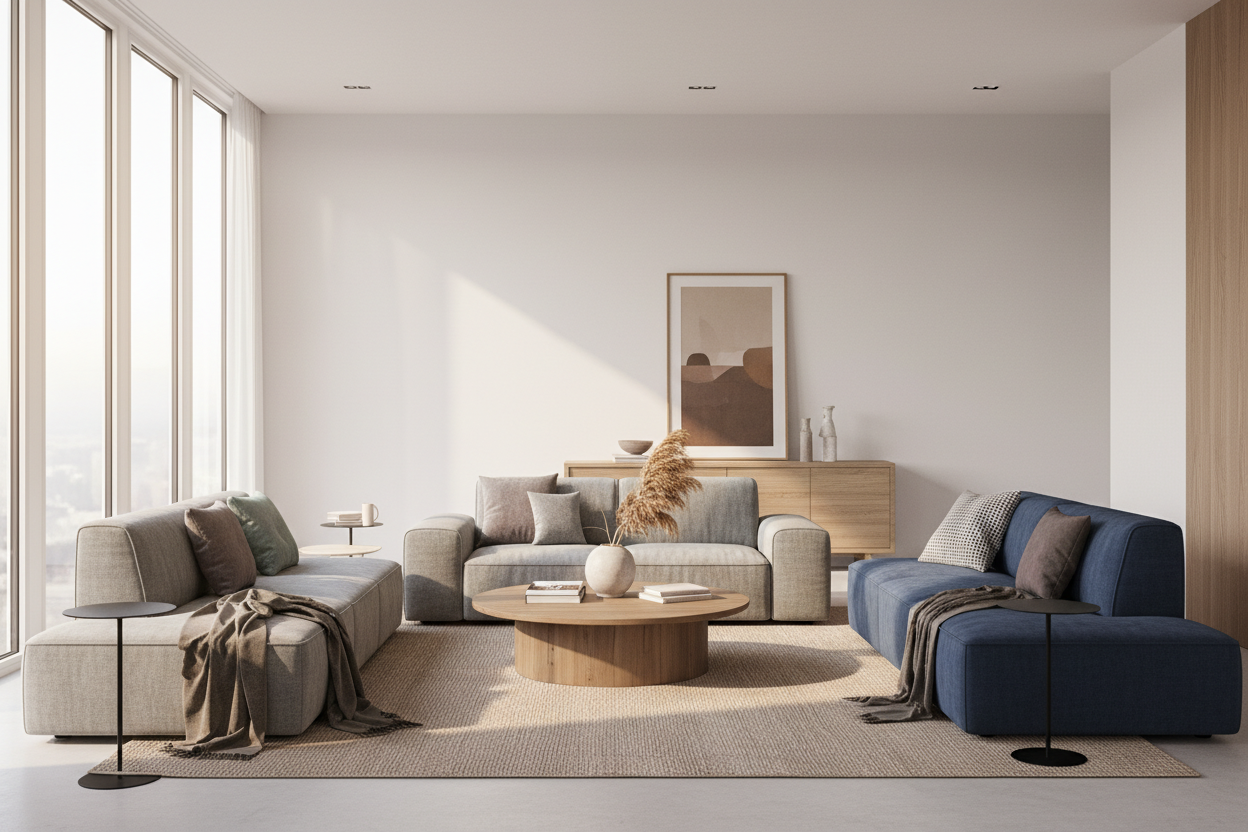
The primary allure of cube living room furniture is the ability to curate the silhouette of your space. Unlike a standard tuxedo or Chesterfield sofa, a modular cube couch allows you to manipulate visual weight.
The Art of Configuration
When planning your layout, think in terms of zones. In an open-concept living area, you can use sectional sofa cubes to create a dual-facing arrangement—one side facing the media center and the other facing the kitchen for social interaction. This breaks the room's volume without blocking sightlines, a common issue with high-back traditional sofas.
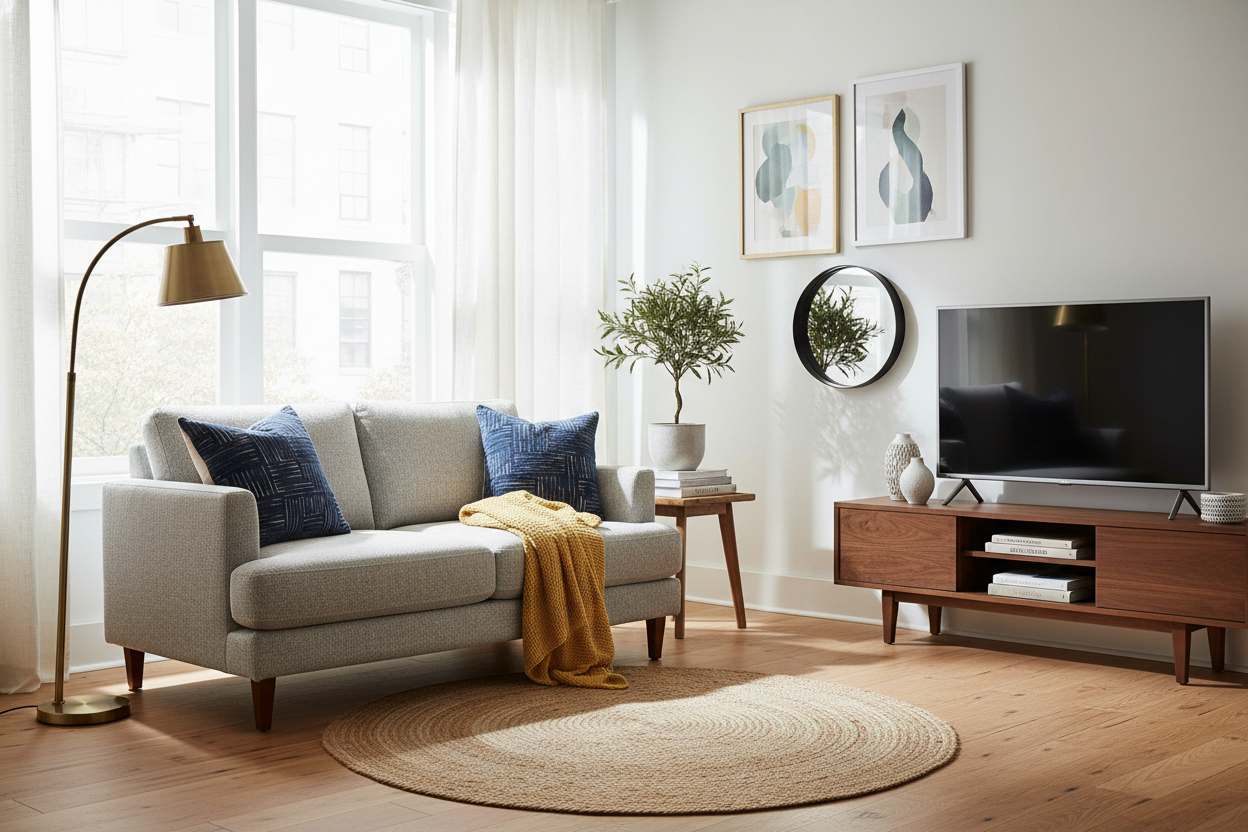
For tighter urban apartments, a cube sofa chair or a two-module setup works exceptionally well. The lack of bulky rolled arms maximizes seating surface area, meaning you get more functional comfort per square foot.
Materiality and Texture
Because the form of a cube furniture couch is geometric and minimal, the texture becomes the focal point. To avoid the piece looking like a stack of boxes, you must lean into tactile fabrics.
I often advise clients to choose bouclé, heavy linen, or velvet. These textures catch the light and soften the sharp architectural lines of the cube sofa sectional. If you are aiming for a soft cube couch aesthetic—think 'cloud-like' visuals—opt for unstructured edges where the fabric is allowed to puddle slightly at the seams.
Lessons from My Own Projects
I want to share a specific detail that rarely makes it into the glossy brochures but is crucial for daily living. A few years ago, I specified a high-end cube sofa furniture system for a client in a loft downtown. We focused entirely on the fabric and the look.
However, we overlooked the weight of the individual couch cube modules. We chose a lightweight foam-core version. Within a week, the client called me saying, "Every time my kids jump on it, the sofa explodes into an archipelago." The modules were too light and lacked aggressive rubber gripping feet. We had to retroactively install non-slip rubber pads and heavy-duty ganging brackets.
The lesson? If you have laminate or hardwood floors, the physical weight of the modular couch cubes matters immensely. You want them heavy enough to stay put, or you need a locking system that requires serious effort to disengage.
Conclusion
Embracing a cube sofa is about embracing freedom in your interior architecture. Whether you are building a sprawling conversation pit or a compact reading nook, these systems offer a modern, low-slung aesthetic that feels undeniably luxurious. Focus on the quality of the foam and the strength of the connectors, and you will have a centerpiece that lasts for decades.
Frequently Asked Questions
Can a cube sofa double as a guest bed?
Yes, this is one of the hidden benefits. While not every model is a dedicated cube sleeper sofa with a pull-out mattress, arranging four to six sofa cubes in a rectangular grid creates a surface area comparable to a Queen or King bed. Deep, flat seats make this incredibly effective.
Are modular soft sofas bad for posture?
Not necessarily, but they are designed for lounging rather than upright sitting. A modular soft sofa typically has a low back. If you require lumbar support, look for cube furniture sofa systems that offer weighted bolster pillows or adjustable backrests.
How do I clean between the cracks of the modules?
This is the maintenance reality of sectional sofa cubes. Crumb migration is inevitable. I recommend a weekly vacuuming routine using a crevice tool. The advantage, however, is that you can fully separate the couch cube units to clean the floor underneath, which is impossible with a standard heavy sofa.

Leave a comment
This site is protected by hCaptcha and the hCaptcha Privacy Policy and Terms of Service apply.