










There is a distinct difference between a workspace that feels cozy and one that feels claustrophobic. When square footage is at a premium, the margin for error shrinks significantly. You cannot simply shrink standard office furniture and expect it to function well. A successful modern small office relies on visual trickery, intentional scale, and a rigorous editing of unnecessary elements.
Key Features to Look For
Before purchasing furniture or committing to a layout, prioritize these elements to ensure your design remains functional and airy:
- Visual Permeability: Choose materials like glass, acrylic, or thin wire frames that allow light to pass through, reducing visual weight.
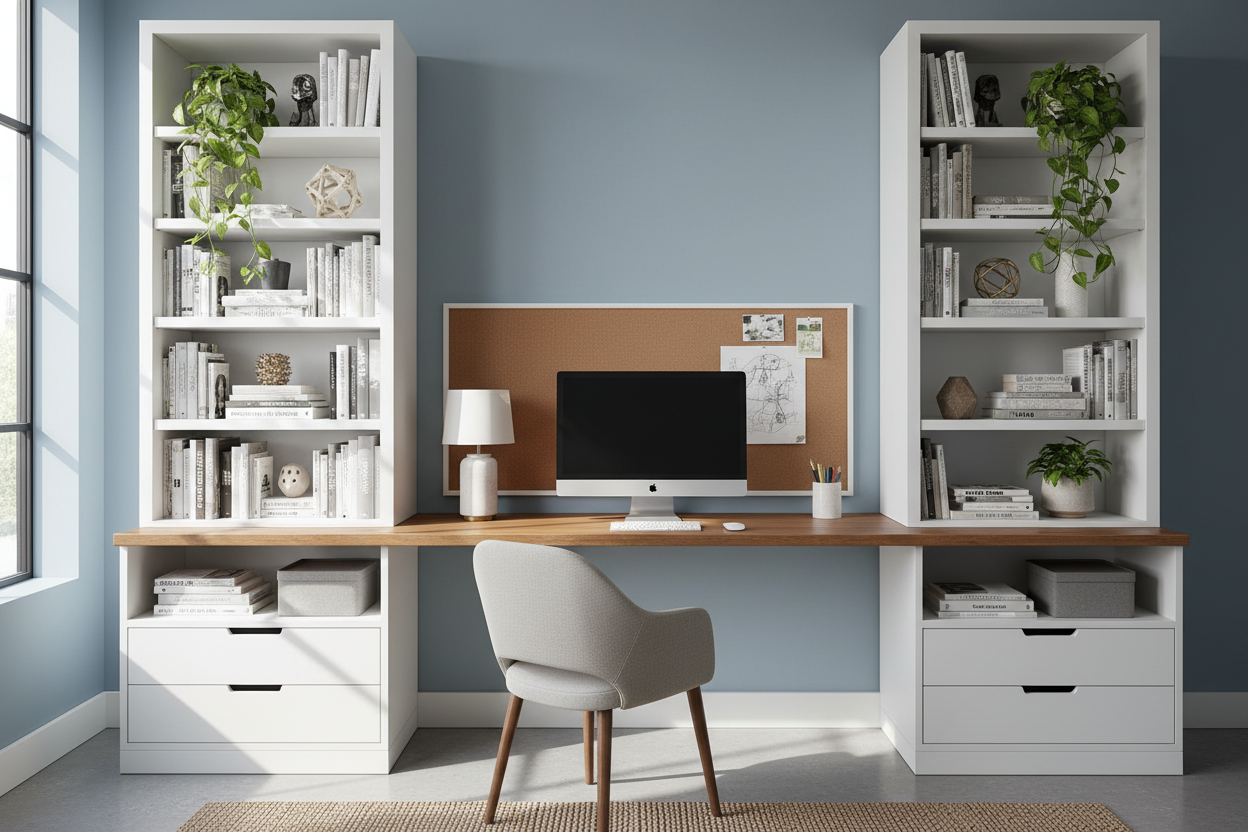
- Vertical Utilization: Look for wall-mounted shelving or tall, narrow bookcases to draw the eye upward and save floor space.
- Leggy Silhouettes: Furniture raised on slender legs reveals more floor area, tricking the brain into perceiving the room as larger.
- Multi-Functional Lighting: Opt for articulating sconces or clamp lamps to free up precious desktop surface area.
Mastering Scale and Proportion
The most frequent error I see in small modern home office design is the selection of furniture that is simply too heavy for the room. In a compact space, a traditional executive desk acts as a visual blockade. Instead, lean toward a "parsons" style desk or a floating console.
When curating small modern home office ideas, consider the depth of your work surface. A standard office desk is often 30 inches deep, but in a tight nook, 20 to 24 inches is often sufficient for a laptop and a notebook. By shaving off those six inches, you improve the traffic flow significantly without sacrificing utility.
Materiality: The Art of Disappearing
In contemporary small home office ideas, the finish of your furniture dictates the mood. Dark, matte finishes absorb light and define boundaries, which can shrink a room. Conversely, high-gloss lacquers, polished chromes, and light wood veneers (like white oak or ash) reflect light.
The Glass and Acrylic Advantage
If you are looking for small modern office ideas that feel truly invisible, consider a clear acrylic chair or a glass-top desk. These pieces provide necessary function while occupying zero "visual" space. They allow the eye to travel all the way to the corners of the room, maintaining the continuity of the flooring.
Ergonomics in Tight Quarters
Sacrificing comfort for size is a non-negotiable mistake. Many modern small home office ideas on Pinterest feature dining chairs that look sculptural but wreck your back after two hours. You need a chair with a proper lumbar curve and seat adjustment.
However, avoid the bulky, over-stuffed leather executive chair. Look for task chairs with a mesh back or a slim profile upholstered in performance fabric. The goal is a silhouette that complements the room's architecture rather than dominating it.
Lessons from My Own Projects
I want to share a specific realization from a project I worked on in a converted closet space in Chicago. We initially installed a stunning, matte black floating desk. It looked incredible in the renderings. However, once installed, we realized two things immediately.
First, in such a small, enclosed area, the matte black surface absorbed every lumen of light, making the alcove feel like a black hole. Second, and more frustratingly, the texture held onto every fingerprint and speck of dust. In a large room, you don't notice this as much, but when you are sitting in a small modern home office, your face is inches from the surface. We swapped it for a satin-finish rift-sawn oak, and the difference was night and day. The wood grain hid the dust, and the lighter color bounced the sconce lighting back onto the user's face for better video call clarity. It was a reminder that in small spaces, texture is just as important as dimension.
Conclusion
Creating a functional workspace in a limited area doesn't mean you have to compromise on sophistication. By selecting pieces with lightweight silhouettes and prioritizing vertical storage, you can build a workspace that inspires focus rather than fatigue. Measure twice, buy once, and let the light flow through.
Frequently Asked Questions
What is the best color palette for a small modern office?
Monochromatic palettes work best. Sticking to varying shades of a single color (like warm greys, creams, or soft sages) reduces visual noise and creates a seamless look that expands the perception of space.
Can I use a rug in a small office?
Yes, but sizing is critical. A rug that is too small (floating in the middle of the room) chops up the floor plan. Choose a rug that is large enough for all furniture legs to rest on it, or skip it entirely to show off the continuous flooring.
How do I hide cables in a desk with open legs?
This is the trade-off of open, modern designs. Use adhesive cable clips along the back of the metal or wood legs to run wires down to the floor, or invest in a "vertebrae" cable management spine that flexes with the desk but keeps cords contained.


Leave a comment
This site is protected by hCaptcha and the hCaptcha Privacy Policy and Terms of Service apply.