










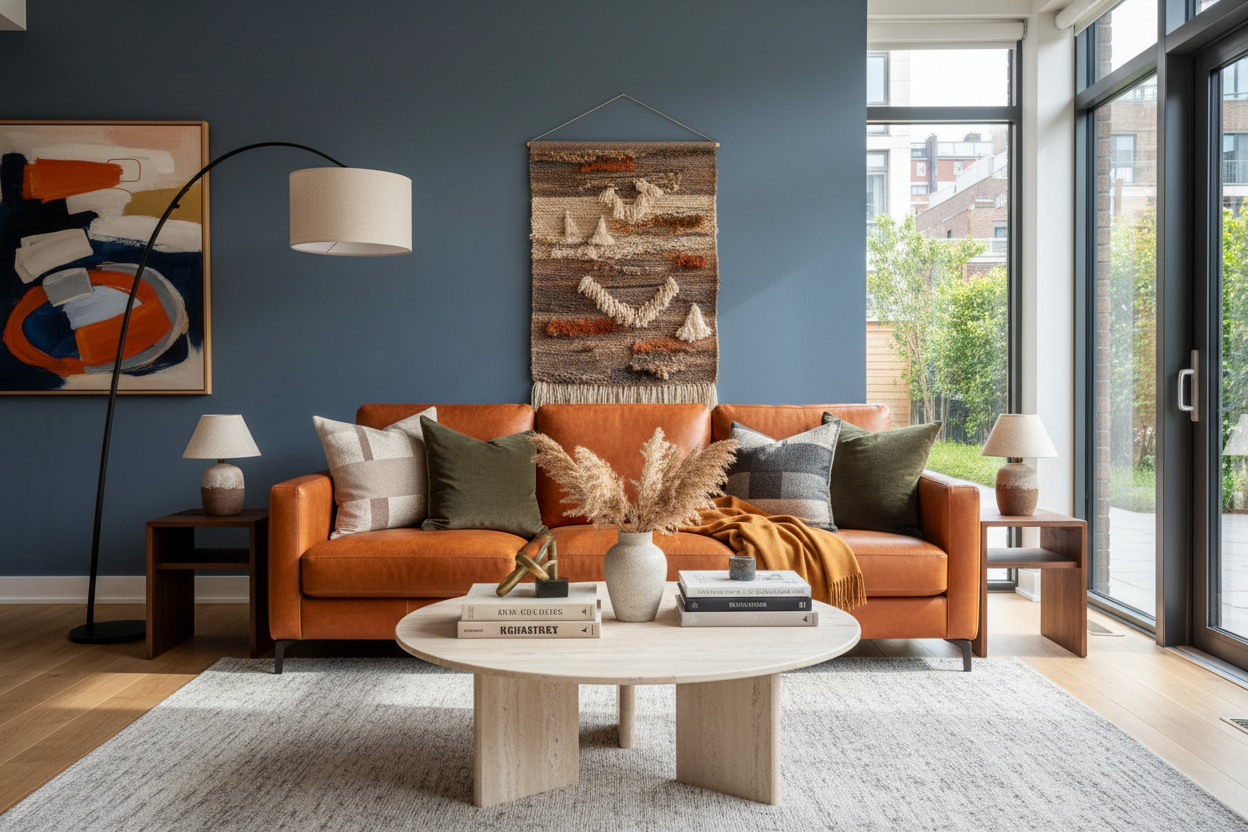
In the world of interior design, "beige fatigue" is a very real phenomenon. Clients often gravitate toward safe, neutral palettes, fearing that bold colors will overwhelm a space or date poorly. However, a vibrant focal point is exactly what differentiates a curated home from a generic showroom. Enter the ikea orange couch. Whether you are considering a burnt orange velvet or a cognac leather finish, this piece challenges the notion that big-box furniture cannot look bespoke. The secret lies not just in the purchase, but in how you integrate this bold hue into your existing architecture and lighting scheme.
Quick Decision Guide: Is Orange Right for You?
- Material Durability: If you have pets, an ikea orange leather couch (like the Morabo or Stockholm series) offers better scratch resistance and wipe-ability than cotton weaves.
- Shade Selection: "Orange" varies wildly. Rust and cognac tones act as neutrals in mid-century modern spaces, while bright tangerine works best in pop-art or eclectic maximalist layouts.
- Scale & Proportion: An orange sectional ikea model demands a large room with ample natural light to prevent the color from swallowing the space.
- Maintenance: Check if the model supports removable slipcovers. Custom third-party covers are a designer secret for upgrading a standard orange sofa ikea frame.
Choosing the Right Material and Texture
When selecting a sofa ikea orange option, texture is just as critical as color. In my design practice, I categorize these into two distinct vibes: the organic warmth of leather and the soft tactility of fabric.
The Case for Leather
The ikea orange leather sofa—often found in lines like the Stockholm or Morabo—is arguably the brand's most sophisticated offering. In design terms, we refer to this color as "saddle" or "cognac." It brings an immediate sense of gravity and history to a room. Unlike fabric, which captures dust, leather reflects light and develops a patina over time. It pairs exceptionally well with walnut wood tones and matte black metal accents.
Fabric and Slipcovers
If you prefer a softer touch, an orange couch ikea in fabric (often available via the Klippan or Ektorp lines, or through Bemz custom covers) offers a more relaxed, bohemian aesthetic. The key here is weave tightness. A loose weave in bright orange can look inexpensive. Look for tight, heavy canvas or velvet options to elevate the perceived value of the piece.
Space Planning and Layout
Placing a bold color requires strategic spatial planning. The sofa becomes the visual anchor of the room, dictating the flow of traffic and the placement of secondary furniture.
The Sectional Statement
An orange sectional ikea configuration is a dominant force. To balance this visual weight, keep your rug neutral—think cream wool or a jute texture. Avoid matching the wall color to the sofa; instead, use cool-toned greys or warm whites to let the orange breathe. If the room feels heavy, pull the sectional away from the wall by three inches to create a shadow line, adding depth.
Small Space Solutions
For apartments, an orange loveseat ikea provides a pop of personality without overcrowding the floor plan. In tighter quarters, leg style matters. Choose a model with exposed legs (like the Landskrona/Morabo) rather than a skirted base. Seeing the floor beneath the sofa creates an illusion of more square footage.
Color Coordination: The Rule of Three
To ensure your orange leather couch or fabric sofa looks intentional, use the "Rule of Three" for your color palette:
- Dominant: 60% of the room should be neutral (walls, floor, large rugs).
- Secondary: 30% is your orange sofa.
- Accent: 10% should be a contrasting cool tone, such as teal, navy blue, or forest green.
This balance prevents the "fast food effect" (too much red/yellow/orange) and creates a sophisticated, balanced composition.
Lessons from My Own Projects
I once specified an ikea orange leather sofa (the Stockholm 2017 model) for a client's sunroom in a mid-century renovation. We loved the aniline leather finish because it felt buttery and high-end straight out of the box. However, here is the unpolished truth that product descriptions won't tell you: aniline leather is incredibly sensitive to sunlight.
After six months, the back of the sofa, which faced a south-facing window, had faded to a significantly lighter, almost peach tone compared to the front. It wasn't a defect, but a characteristic of natural dyed leather. We ended up having to rotate the layout and condition the leather heavily to blend the tones. If you are buying the leather version, be hyper-aware of your window placement. Also, the cushions on that specific model are down-filled, meaning they require aggressive fluffing weekly, or they start to look "frumpy" very quickly. It’s a high-maintenance piece for a high-reward look.
Conclusion
Choosing an ikea orange couch is a declaration of style confidence. It moves away from the safety of grey linen and embraces warmth and energy. Whether you opt for the sleek lines of a leather sectional or the cozy appeal of a velvet loveseat, the success of the design lies in the balance of textures and the restraint of surrounding colors. Treat the sofa as the art piece it is, and your living space will feel transformed.
Frequently Asked Questions
How do I clean an IKEA orange leather couch?
Use a vacuum with a soft brush attachment to remove dust from crevices. For spills, blot immediately with a dry cloth—do not rub. Use a dedicated leather conditioner every 6-12 months to keep the "cognac" finish from cracking, but avoid harsh detergents that can strip the dye.
What colors go best with an orange sofa?
Deep blues (navy, indigo) and greens (emerald, olive) are natural complements on the color wheel, creating a vibrant contrast. For a more subdued, organic look, pair the orange with warm greys, creamy whites, and natural wood tones like walnut or oak.
Can I fit an orange sectional in a small apartment?
It is risky but possible. If you choose an orange sectional ikea model for a small room, ensure it has a low back and slim profile arms. Avoid bulky, overstuffed cushions, as they will make the room feel claustrophobic. Let the color be the only "loud" element in the room.

Leave a comment
This site is protected by hCaptcha and the hCaptcha Privacy Policy and Terms of Service apply.