










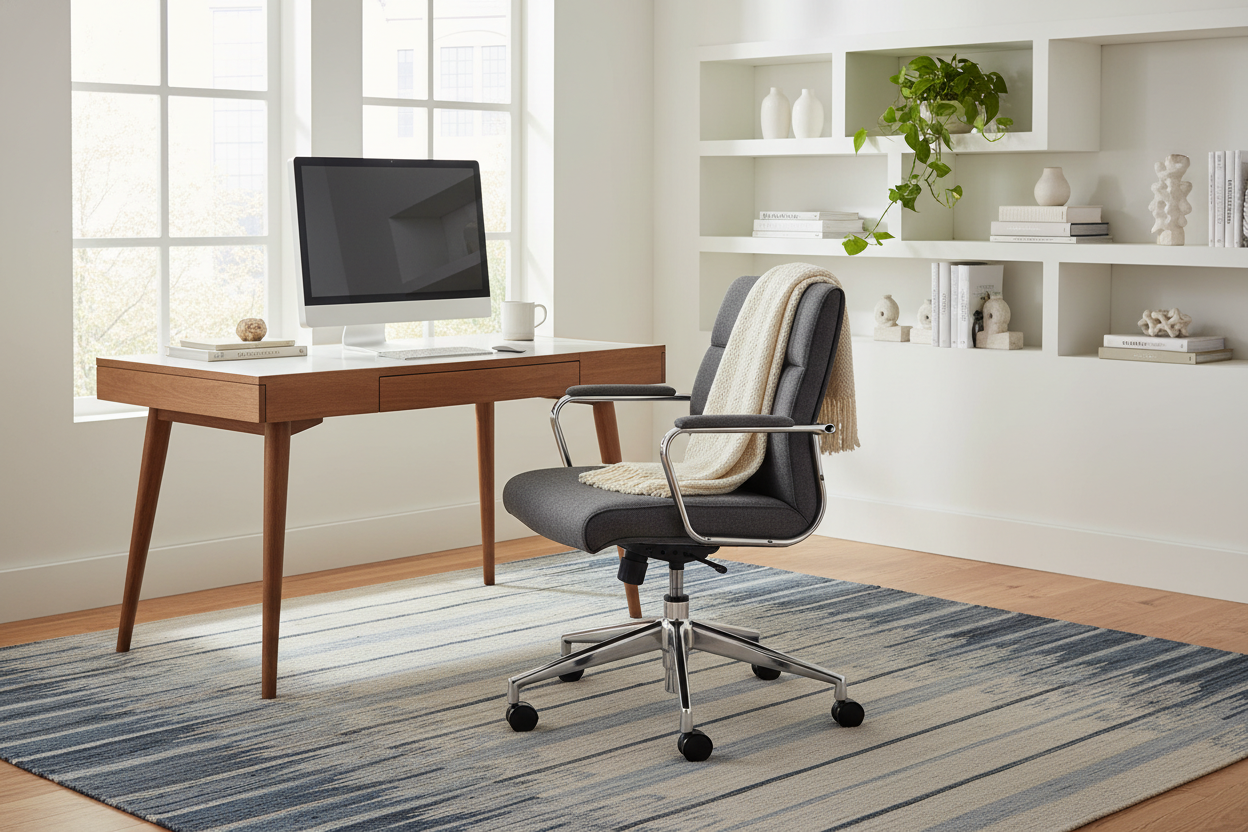
Finding the perfect balance between a chair that looks curated for a magazine spread and one that supports your back during an eight-hour workday is the eternal struggle of interior design. You want the visual appeal of a high-end showroom, but you need the functionality of a dedicated workspace. This brings us to the **rooms to go desk chair**. As a staple in the mid-market furniture landscape, this retailer offers pieces that promise to bridge the gap between residential aesthetics and corporate utility. But does the construction match the visual appeal?
Quick Decision Guide: What to Check Before Buying
If you are rushing to make a purchase, scan these critical factors first to ensure the chair meets professional standards:
- Seat Height & Clearance: Measure the distance from the floor to the top of the armrests. Ensure it clears your desk apron (usually 25-26 inches) to avoid fabric abrasion.
- Upholstery Type: Distinguish between "Top Grain Leather" and "Bonded Leather." Bonded leather is common in this price bracket but may peel after 3-5 years of heavy use.
- Base Stability: Look for a five-star base rather than four. A five-point base prevents tipping when reclining.
- Foam Density: Press into the seat center. If you feel the plywood base immediately, the foam density is likely too low for full-time usage.
Analyzing the Build Quality
When evaluating a rooms to go office chair, you aren't just buying a seat; you are buying a piece of mechanical furniture. Unlike a stationary armchair, these pieces have moving parts—pneumatic lifts, tilt tension knobs, and casters—that are stress-tested daily.
The Structural Frame
In my review of their inventory, many of the executive-style chairs utilize a plywood shell encased in foam. This provides a solid silhouette, but you should inspect the joinery where the arms meet the seat. In budget-friendly designs, this is often the weak point. Look for reinforced metal brackets rather than wood screws going directly into the frame, as the latter can loosen over time due to dynamic movement.
Material Selection and Tactility
Texture plays a massive role in how a workspace feels. A velvet or boucle office chair rooms to go offers creates a softer, more residential "cloffice" (closet-office) vibe, perfect for bedrooms. However, be mindful of the rub count. If you work from home daily, a synthetic blend or treated leather is superior for stain resistance compared to natural fibers which may show wear patterns quickly.
Ergonomics vs. Visual Weight
As designers, we often talk about "visual weight"—how heavy an object looks in a room. Many Rooms To Go options lean towards the traditional, heavier executive style. While these command authority, they can overwhelm a small apartment nook.
If your space is limited, look for their mid-century modern inspired lines. These usually feature open backs or slender metal frames. However, a word of caution: thinner profiles often mean less lumbar padding. If you require ergonomic support for 40+ hour weeks, you may need to supplement these stylish frames with a discrete lumbar pillow.
My Personal Take on Rooms To Go Desk Chair
I want to share a candid observation from a project I worked on last year. We sourced a tufted leather executive chair from Rooms To Go for a client's study. Visually, it was stunning—rich color, nice nailhead trim.
However, here is the unpolished truth: The standard casters (wheels) that came with the chair were hard plastic. On the client's engineered hardwood floors, they were noisy and felt a bit scratchy. We ended up swapping them out for aftermarket rollerblade-style rubber wheels (a $30 upgrade). It instantly elevated the feel of the chair from "budget-friendly" to "luxury glider." Also, the gas lift mechanism was quite stiff for the first month. It took about six weeks of daily sitting before the height adjustment felt fluid. It’s a solid piece of furniture, but don't be afraid to upgrade the wheels to protect your flooring.
Conclusion
Ultimately, a Rooms To Go desk chair is a strong contender for homeowners who prioritize style and budget over high-end technical ergonomics. They offer excellent silhouettes that blend seamlessly into a residential environment, avoiding the sterile "cubicle" look. By paying attention to the upholstery type and perhaps upgrading the casters, you can secure a piece that anchors your office with sophistication.
Frequently Asked Questions
How do I maintain the bonded leather on my chair?
Dust regularly with a microfiber cloth and apply a leather conditioner specifically designed for bonded products every 3-6 months. Avoid placing the chair in direct sunlight, as UV rays can accelerate cracking in bonded materials.
Are these chairs suitable for tall individuals?
It varies by model. You must check the "Seat Height Maximum" specification. For individuals over 6 feet, look for a maximum seat height of at least 20-21 inches to ensure your knees remain at a 90-degree angle.
Can I assemble these chairs by myself?
Yes, most arrive flat-packed with hex keys. However, aligning the backrest with the seat cushion can be tricky alone due to the weight of the padding. having a second person to hold the backrest in place while you tighten the bolts is highly recommended to prevent cross-threading.



Leave a comment
This site is protected by hCaptcha and the hCaptcha Privacy Policy and Terms of Service apply.