










Your home’s entrance is the handshake of your living space. It sets the tone for everything that follows, yet it often becomes a chaotic dumping ground for keys, mail, and unidentifiable clutter. The solution usually isn't a full renovation, but rather the strategic addition of a single piece of furniture: the entry table console. This surface acts as both a visual anchor and a functional landing strip, bridging the gap between the outdoors and your personal sanctuary.
Choosing the right piece requires balancing the architectural limitations of your hall with your storage needs. A sprawling farmhouse might demand a heavy wooden piece, while a city apartment often requires a slim profile that doesn't obstruct traffic. This guide explores how to select, style, and maximize the utility of your entryway furniture without overspending or overcrowding your space.
Assessing Your Space and Needs
Before browsing catalogs or visiting showrooms, get out your tape measure. The biggest mistake homeowners make is misjudging the depth of their hallway. You need at least 30 to 36 inches of clearance for comfortable walking space. If your hallway is tight, you are looking for a console with a depth of 10 to 12 inches. Anything deeper will feel like an obstacle course.
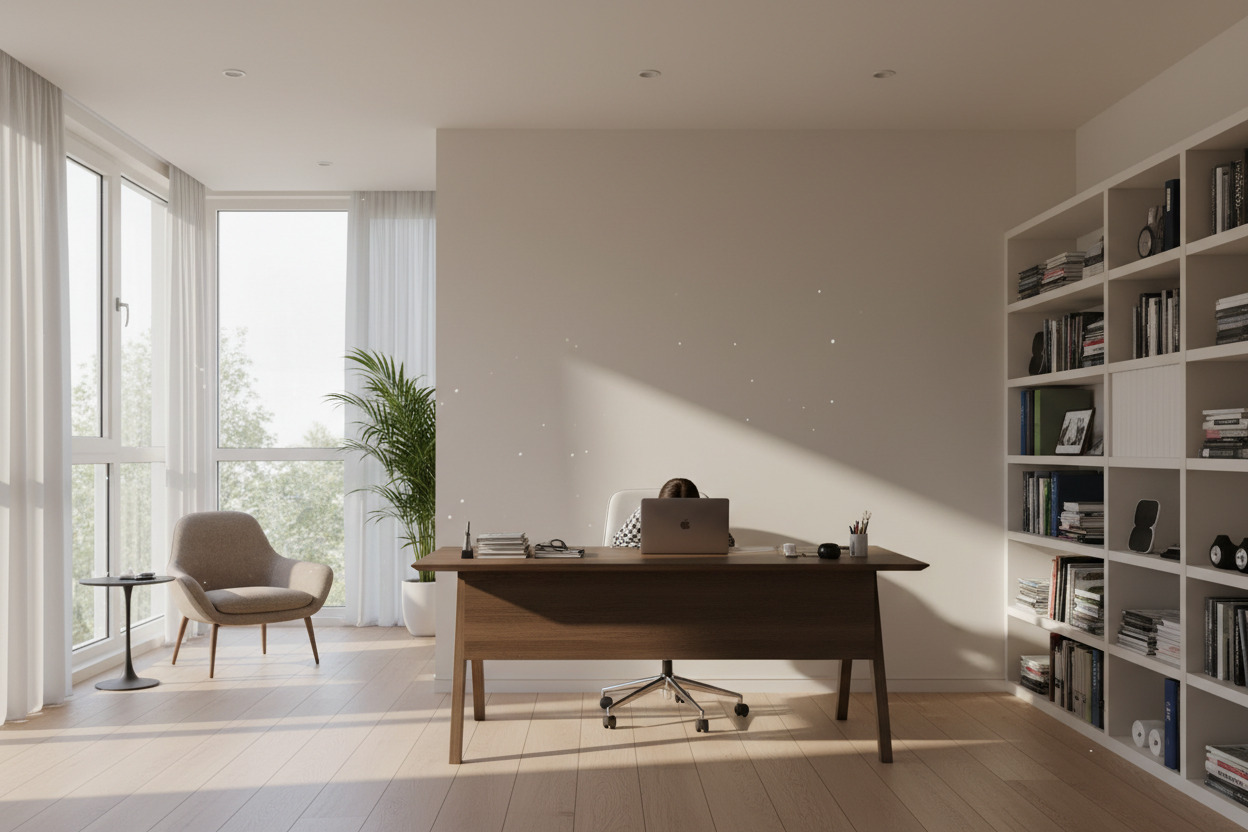
Think about how you actually live. Do you need a spot to sit and tie your shoes, or just a place to drop your wallet? If you work from home in a small space, some people cleverly utilize entryway desk furniture. These pieces look like standard consoles when not in use but offer a surface deep enough to open a laptop for a quick email session. It’s a dual-purpose strategy that saves square footage in compact layouts.
The Design Dilemma: Style vs. Substance
Once the measurements are set, the fun part begins: picking a style. The x entryway table has become a staple in transitional and modern farmhouse designs. The cross-brace sides add geometric interest and visual stability without making the piece look heavy or blocky. This open structure allows light to pass through, which keeps a small foyer from feeling closed in.
However, if your goal is to hide clutter, open tables can be tricky. You will need baskets or bins on the lower shelf to corral loose items. For those who prefer a cleaner look, seek out a furniture entryway table with drawers. Even shallow drawers can hide an immense amount of daily debris like charging cables and sunglasses, keeping the surface pristine for decor.
My Battle with the Narrow Hallway
I learned the hard way that dimensions on a website don't always translate to how a piece feels in a room. A few years ago, I moved into a rowhouse with a notoriously narrow entry hall. I fell in love with a vintage oak sideboard that was technically two inches narrower than my hallway width. I thought it would fit perfectly. I was wrong.
While it physically fit, it visually choked the space. Entering the house felt claustrophobic. I ended up swapping it for a glass-top metal console that was actually the same depth, but the transparency made it disappear visually. I placed a small entryway end table further down the hall to hold a lamp, breaking up the "tunnel" effect. The lesson stuck with me: visual weight is just as important as physical inches. If your space is dark or cramped, opt for glass, acrylic, or slender metal legs over solid wood blocks.
Shopping Smart: Budget and Sourcing
You do not need to spend a fortune to get a high-end look. Many people assume they need custom joinery, but you can find a cheap foyer table that looks luxurious if you know what to look for. Focus on hardware and finish. A simple laminate table can be elevated by swapping out generic knobs for heavy brass pulls. Alternatively, scouring second-hand markets for solid wood pieces that just need a coat of paint is often better than buying new particle board furniture.
When you prepare to buy entryway table options, check the height. Standard table height is around 30 inches, but a console often looks better at 32 to 34 inches. This extra height brings lamps and decor closer to eye level and makes the ceiling feel higher. If you find a table you love that is too short, consider adding casters or replacing the legs.
Creating a Vignette
A table alone is just a surface; styling is what turns it into a design feature. The rule of three is your best friend here. Try grouping items of varying heights: a tall lamp, a medium vase with greenery, and a low stack of books or a decorative tray. This creates a visual triangle that pleases the eye.
For larger foyers, you have more creative freedom. A popular trend in spacious homes involves pairing a foyer table and chairs. Placing two accent chairs on either side of a console table creates a symmetrical, formal look that is also practical. It gives guests a place to sit immediately upon entering and fills empty wall space that might otherwise look barren. If you go this route, ensure the chairs are visually light; slipper chairs or open-back wood chairs work best so they don't dominate the table.
Lighting and Mirrors
Never underestimate the power of a mirror above your console. It reflects light, making the entryway feel larger, and gives you a spot for a final check before leaving the house. Pair this with a table lamp or a pair of sconces. If you don't have an outlet nearby, battery-operated lamps have come a long way and can provide that warm, welcoming glow without trailing cords across the floor.
Ultimately, your entryway should serve you. Whether you choose a sleek glass shelf, a rustic x entryway table, or a multipurpose desk, the goal is to create a pause point that says "welcome home."
Frequently Asked Questions
How tall should an entryway table be?
Most console tables range between 30 and 36 inches in height. For the best visual balance, the table should be approximately level with the back of a sofa or slightly higher than a standard dining table, allowing you to drop keys without stooping.
Can I use a desk as an entryway table?
Absolutely. A writing desk often has similar dimensions to a console table but offers deeper surface area and drawers. This works exceptionally well in small apartments where you need the furniture to double as a workspace during the day.
What should I put under a console table?
If the table has open legs, the space underneath can look empty. Fill the void with large woven baskets for storage, a pair of ottomans for extra seating, or a large planter to add life and texture to the area.

Leave a comment
This site is protected by hCaptcha and the hCaptcha Privacy Policy and Terms of Service apply.