










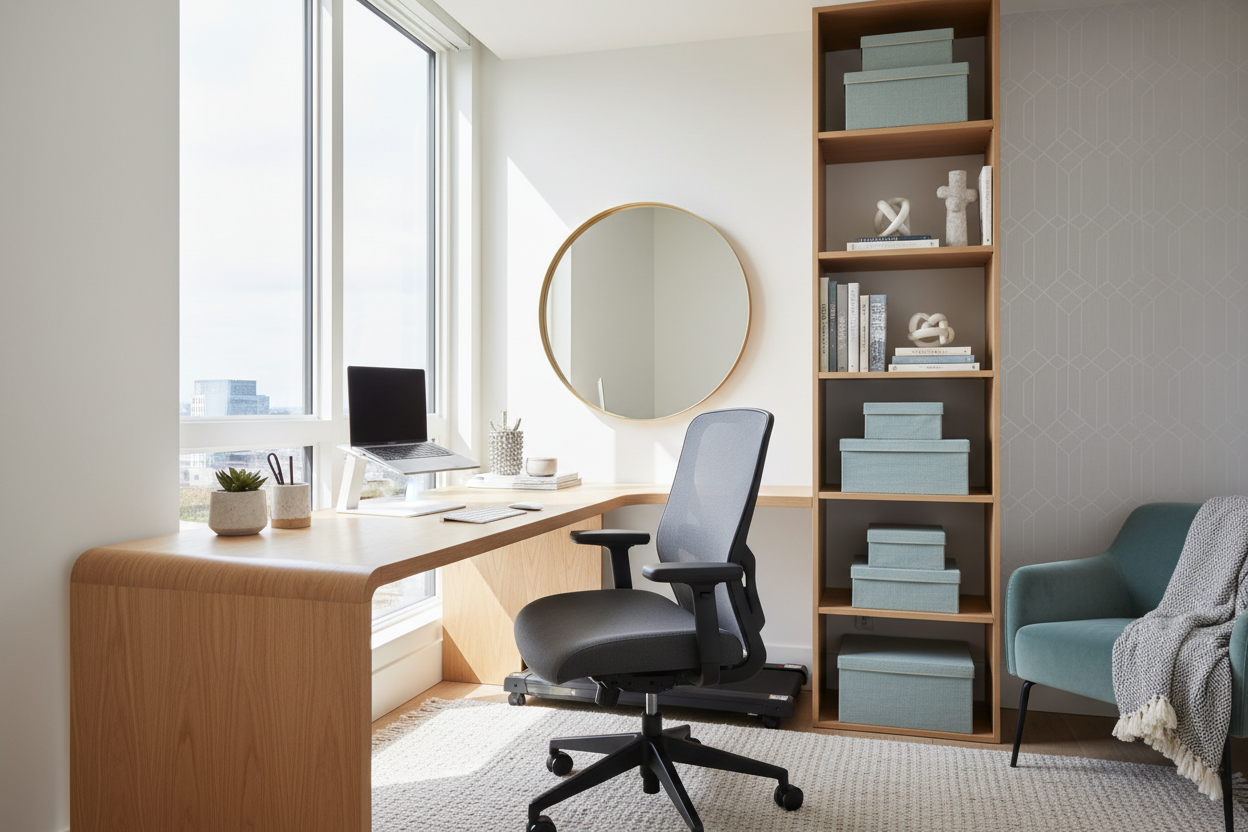
There is a distinct difference between a workspace that feels cozy and one that feels claustrophobic. As a designer, I see too many homeowners sacrifice productivity for the sake of squeezing a desk into a corner, resulting in a cluttered, uninspiring environment. The challenge lies not just in finding furniture that fits, but in curating a layout that breathes. Effective small office solutions require a shift in perspective: seeing limited square footage not as a restriction, but as an opportunity for high-efficiency design.
Key Features to Look For
Before purchasing a single piece of furniture, consider these core elements to ensure your workspace remains functional and visually open:
- Visual Weight: Opt for materials like glass, acrylic, or thin metal frames that allow light to pass through, making the room feel larger.
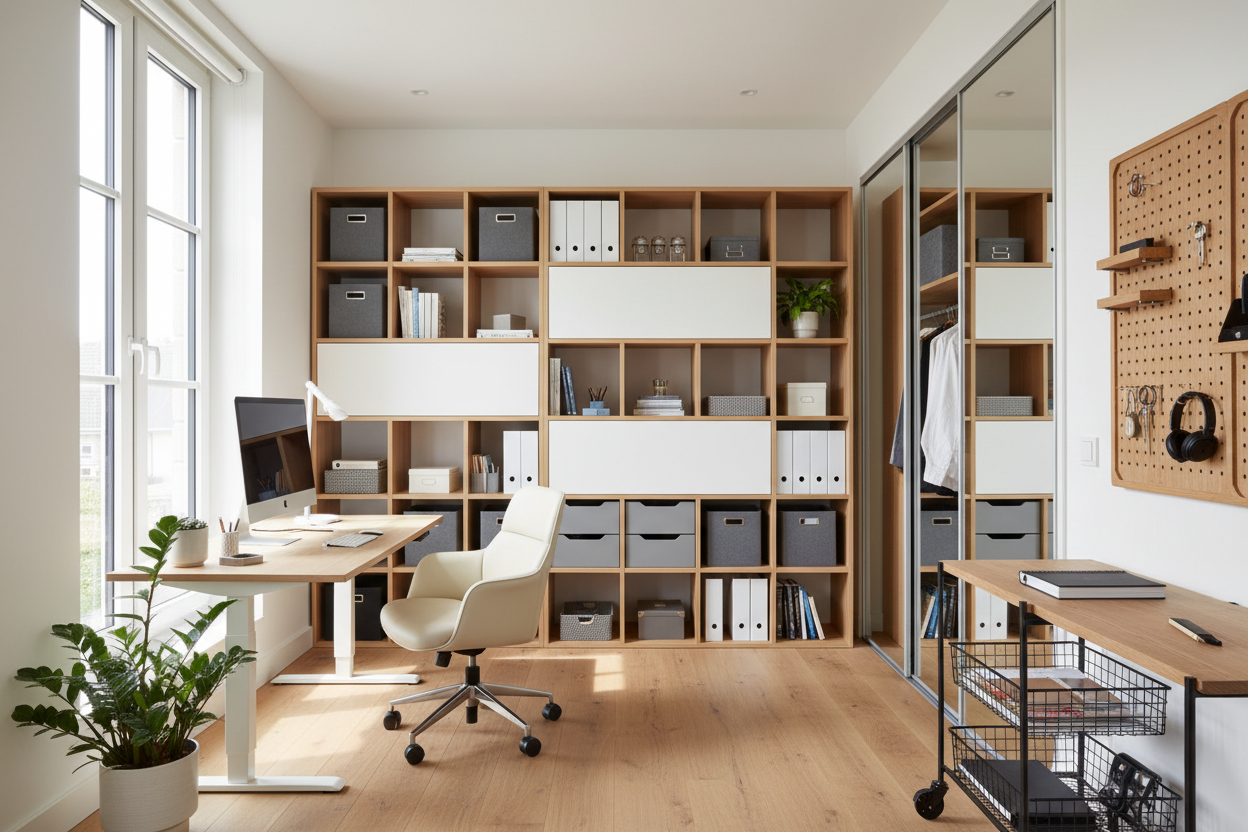
- Vertical Utilization: Look for shelving units that draw the eye upward, utilizing wall height rather than floor space.
- Ergonomic Scale: Ensure chairs and desks are proportioned to the room without sacrificing the standard 29-inch desk height required for comfort.
- Integrated Cable Management: In small spaces, visual clutter (wires) creates mental clutter. Choose desks with built-in chases or grommets.
Executing a Strategic Small Office Fitout
When planning a small office fitout, the layout is paramount. We often talk about the "work triangle" in kitchens, but it applies here too. Your reach zones—where you grab a file, answer the phone, or type—must be unobstructed. In a compact room, a galley layout or an L-shaped corner configuration often yields the best traffic flow.
Avoid the temptation to push everything flush against the wall. Sometimes, floating a desk perpendicular to a window can define the zone better than jamming it into a corner, provided you have at least 36 inches of clearance for your chair to roll back.
Materiality and Visual Balance
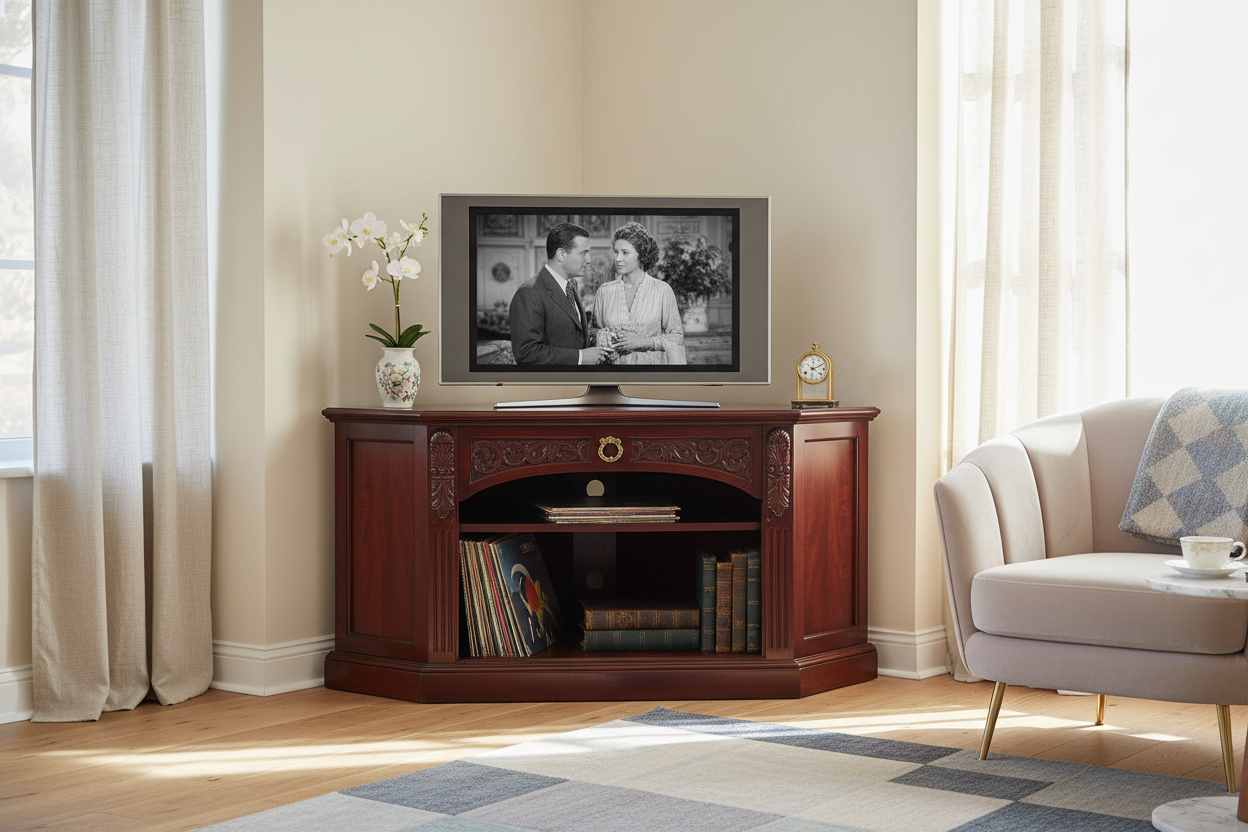
In a small office fit out, the materials you select dictate the perceived volume of the room. Heavy, dark woods like mahogany or walnut can absorb light and make the space feel smaller. Instead, consider light oak veneers, high-pressure laminates in neutral tones, or lacquered finishes.
Pay attention to the "silhouette" of your furniture. A mid-century modern desk with tapered legs exposes more floor area, tricking the brain into perceiving more space. Contrast this with a blocky pedestal desk, which anchors the room too heavily and creates a visual blockade.
The Ergonomic Compromise (And How to Avoid It)
A common error is downsizing the chair to fit the room. Never compromise on your seating. A small task chair might look cute, but if it lacks lumbar support or seat depth adjustment, you will abandon the space within a week. Look for "slim-profile" ergonomic chairs that offer mesh backs. Mesh is breathable and visually translucent, maintaining that crucial sense of openness while providing the necessary spinal support.
Lessons from My Own Projects
I once designed a home office for a client in a converted closet—a true "cloffice." We installed a beautiful, custom floating walnut slab to serve as the desk. It looked stunning in the renderings. However, once installed, we realized a critical oversight: vibration. Because we used standard L-brackets into metal studs, the monitor wobbled every time the client typed aggressively.
I learned the hard way that in small office solutions, rigidity is just as important as aesthetics. We had to retrofit the setup with heavy-duty steel stiffeners hidden underneath. The lesson? If you are going for a minimalist, floating look to save space, over-engineer the support. Also, matte finishes are your friend in tight spaces; that walnut slab showed every single fingerprint because the light source was so close to the surface. I now almost exclusively recommend matte or satin finishes for compact, high-touch surfaces.
Conclusion
Designing a compact workspace is an exercise in restraint and precision. By prioritizing vertical storage, selecting visually light materials, and refusing to compromise on ergonomics, you can create a professional enclave in even the tightest footprint. Measure twice, buy once, and prioritize flow over filler.
Frequently Asked Questions
What is the minimum depth for a functional small office desk?
While you can find console tables as shallow as 18 inches, a functional workspace requires a minimum depth of 24 inches. This allows enough distance between your eyes and the monitor to prevent strain and provides adequate wrist support while typing.
Should I use dark or light colors for a small office fitout?
Generally, lighter colors (whites, creams, pale grays) reflect light and expand the space. However, a monochromatic dark room (painting walls, trim, and ceiling the same moody hue) can blur the boundaries of the room, creating a cozy, infinite depth effect that is very sophisticated.
How do I hide a small office when it's in a living room?
Invest in a secretary desk or an armoire desk. These pieces feature a drop-down work surface that can be closed up to conceal your laptop and papers, allowing the piece to function as a stylish cabinet or sideboard when off the clock.

Leave a comment
This site is protected by hCaptcha and the hCaptcha Privacy Policy and Terms of Service apply.