










We have all been there—trying to maintain professional focus while hunched over a kitchen island or balancing a laptop on a sofa arm. It is a recipe for physical fatigue and scattered attention. The center of gravity for any productive workspace is, unequivocally, the home office furniture desk. However, selecting this piece is not merely about finding a flat surface with four legs; it is about architectural balance, ergonomic geometry, and how the piece interacts with your workflow. As a designer, I see clients rush this decision constantly, only to regret it when the ergonomics don't align with their workday reality.
Key Features to Look For
Before committing to a purchase, use this checklist to ensure the piece meets professional standards. These are the non-negotiables I use when sourcing for clients:
- Surface Depth: Ensure a minimum depth of 24 inches (60cm) to allow for proper monitor focal distance and keyboard placement.
- Material Integrity: Distinguish between solid wood (durable, refinishable) and low-grade particle board (prone to bowing under weight).
- Cable Management: Look for integrated grommets or hidden channels to maintain visual clarity.
- Leg Clearance: Verify there is at least 30 inches of width underneath for your chair to swivel freely without hitting the pedestal.
Choosing the Right Material: Texture vs. Utility
The material of your desk dictates the room's atmosphere and the furniture's longevity. While home office design desks often prioritize aesthetics, you must consider the tactile experience.
Solid wood, such as walnut or white oak, offers warmth and grounding. It ages beautifully, developing a patina that tells a story. However, if you are styling a contemporary space, tempered glass or lacquered finishes provide a lighter visual weight, making a small room feel expansive. Be wary of cheap veneers; they may look pristine in the showroom, but they chip easily at the edges where your wrists rest, quickly degrading the look of the piece.
Space Planning and Layout Flow
Integrating desks designs for a home office requires understanding the flow of the room. A common error is shoving the desk against a wall in a dark corner. This is what we call the "punishment layout."
The Command Position
Ideally, position the desk so you face the door (the "command position"). This reduces subconscious anxiety about what is happening behind you. If space allows, floating the desk in the center of the room creates a sophisticated, executive focal point. If the room is tight, place the desk perpendicular to a window to maximize natural light without creating direct glare on your screens.
My Personal Take on Home Office Furniture Desks
I want to share a specific lesson I learned the hard way early in my career regarding "character" pieces. I once sourced a stunning, reclaimed barn-wood desk for a client who was an attorney. Visually, it was a masterpiece—rustic, textured, and imposing.
However, within a week, he called me. The issue? The surface texture. Every time he tried to sign a document or write a note on a single sheet of paper, the pen would puncture through or skip because of the wood grain's uneven ridges. We had to rush-order a custom leather blotter to fix the utility issue. It taught me a vital lesson: always run your hand across the surface. If you do heavy writing, a glass or smooth lacquer finish is superior. If you mostly type, textured wood is fine. It’s these small, unpolished details—like the cold shock of a glass desk on your forearms in winter—that you only realize after living with the furniture.
Conclusion
Your workspace should be a sanctuary of focus, not just a utility station. By investing in the right desk, you are investing in your own output and physical health. Look beyond the initial silhouette and consider how the materials and dimensions will serve you five years from now.
Frequently Asked Questions
What is the ideal height for a home office desk?
The standard industry height is between 29 and 30 inches. However, if you are taller or shorter than average, consider an adjustable sit-stand mechanism or ensure your chair has enough lift to bring your elbows to a 90-degree angle relative to the surface.
How do I choose between a writing desk and an executive desk?
It comes down to storage needs and visual weight. Executive desks feature built-in pedestals and drawers, offering a heavy, anchored look. Writing desks are often leggy and open, perfect for smaller spaces or those who store files digitally.
Can I use a dining table as a desk?
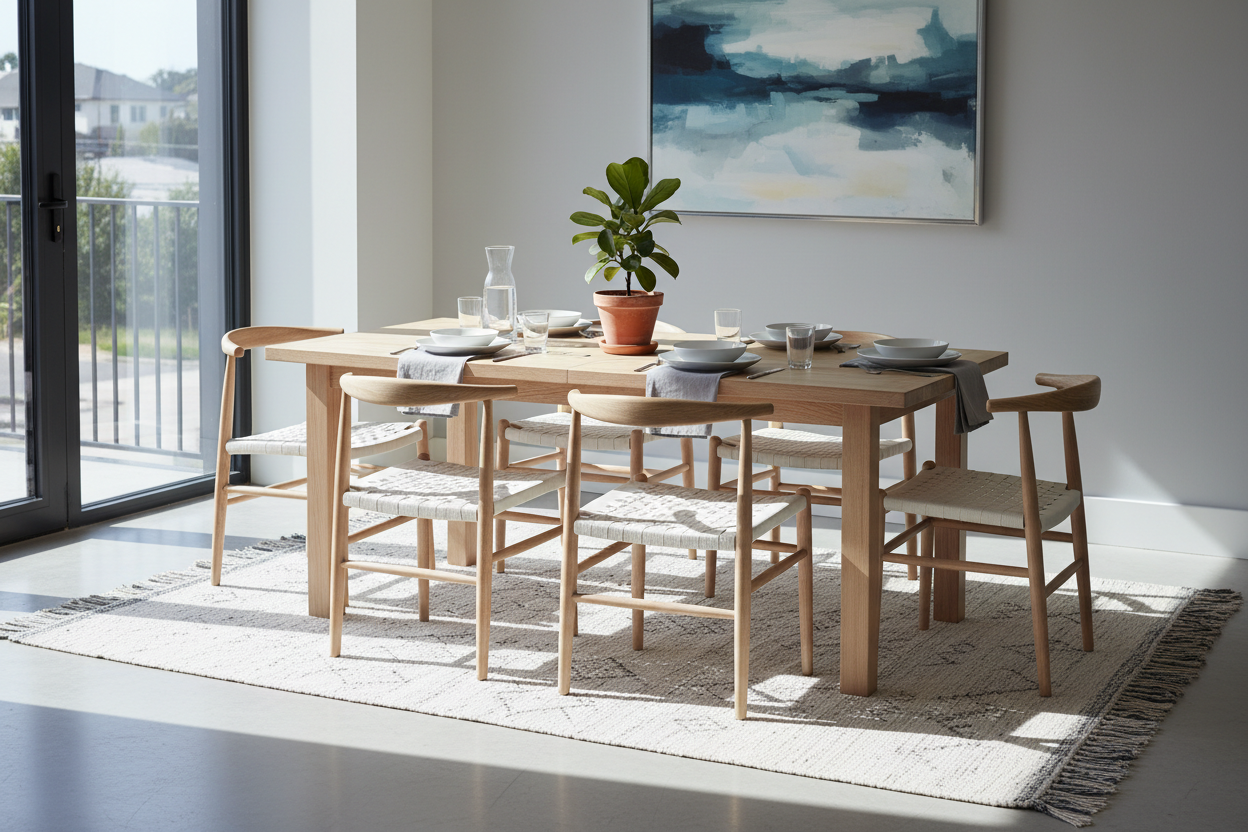
While possible, dining tables are often slightly higher (30 inches) than ergonomic desks and lack cable management. If you go this route, ensure your chair can be raised sufficiently to prevent shoulder strain.


Leave a comment
This site is protected by hCaptcha and the hCaptcha Privacy Policy and Terms of Service apply.