










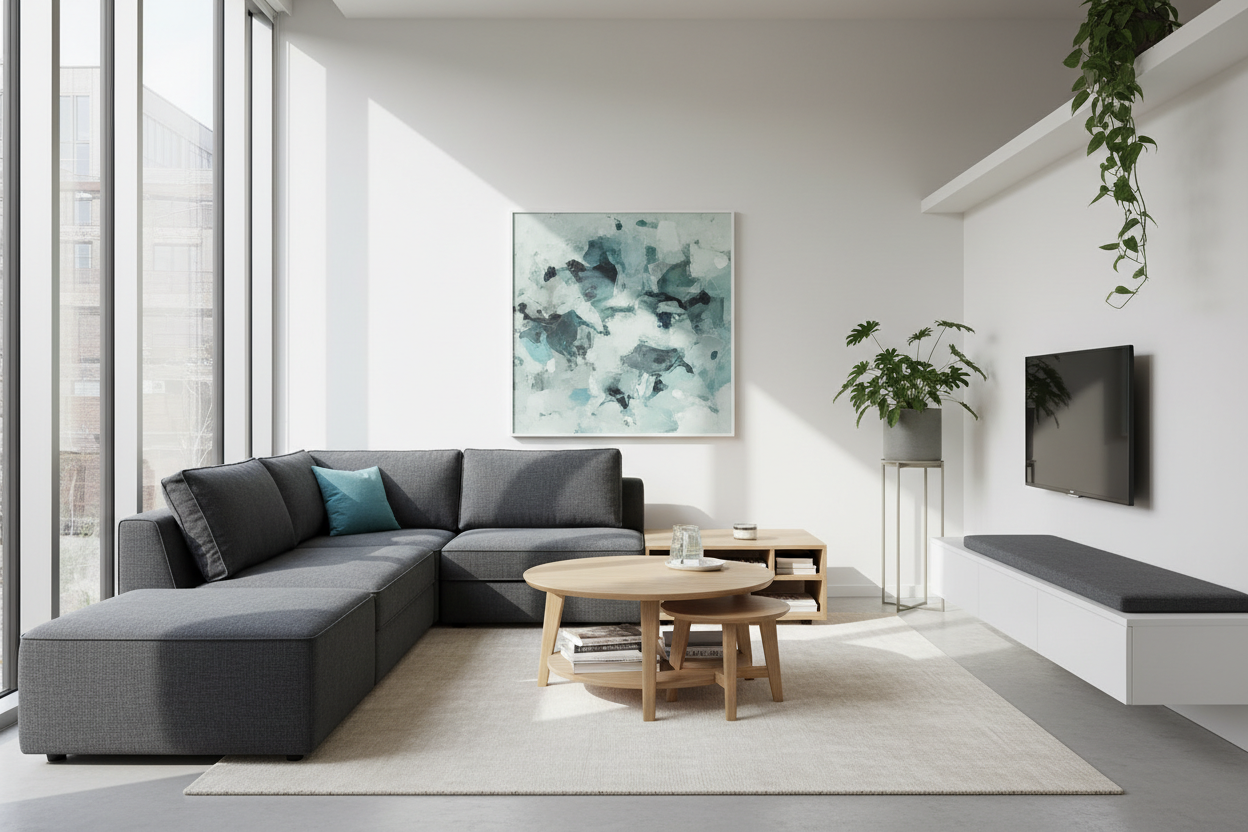
There is a pervasive misconception in interior design that limited square footage requires you to sacrifice comfort or sophisticated aesthetics. I see clients repeatedly make the same error: filling a compact area with tiny, dollhouse-sized pieces that make the room feel cluttered rather than spacious. The secret to a successful layout isn't just buying smaller items; it is about mastering scale, proportion, and visual weight. This guide will walk you through selecting the right small furniture for living room layouts to maximize flow without compromising on style.
Key Features to Look For
Before swiping your card, evaluate potential pieces against this checklist to ensure they function well in compact environments:
- Visual Weight: Opt for pieces with exposed legs (stiletto or tapered) rather than skirted bases to allow light to pass underneath.
- Proportionate Depth: Look for sofas with a depth between 32-36 inches; standard 40-inch depth eats up valuable walkway space.
- Multi-functionality: Prioritize ottomans with storage or nesting tables that can expand when guests arrive.
- Low Profiles: Furniture with lower backs keeps sightlines open, making the ceiling appear higher.
Mastering Scale and Visual Balance
When curating small furniture living room designs, the silhouette is just as critical as the physical dimensions. A heavy, blocky sectional will dominate a room even if it physically fits within the measurements. Instead, lean toward streamlined profiles.
The Importance of Negative Space
Negative space—the empty area around and between furniture—is what allows a room to breathe. When selecting seating, avoid rolled arms which add unnecessary bulk. A track arm or armless slipper chair provides the same seating area but saves 6 to 10 inches of width. This subtle reduction allows for better traffic flow, preventing the "obstacle course" feel common in tight apartments.
Material Selection: Durability Meets Aesthetics
In smaller spaces, you are physically closer to your furniture. This proximity means textures and finishes are more noticeable, and wear and tear happens faster because you are using the same spots repeatedly.
Solid Wood vs. Veneer
For coffee tables and sideboards, I generally recommend solid wood or high-quality metal for small spaces. While veneers are cost-effective, they chip easily. In a tight room, vacuum cleaners and foot traffic are more likely to bump edges. A solid oak or walnut piece can be refinished; a chipped veneer cannot.
Fabric Choices for High-Traffic Zones
Avoid heavy chenilles or thick velvets that absorb light and look heavy. Instead, opt for tightly woven linens or performance blends. These reflect light better and offer a crisp look that keeps the visual palette clean.
Strategic Layouts for Compact Rooms
Many homeowners default to pushing everything against the walls, creating a "bowling alley" effect. Even with small space living room sets, pulling furniture just two inches off the wall creates a shadow line that implies more depth.
Consider the "floating" layout. Place a rug that anchors the front legs of your sofa and chairs. This zones the conversation area and separates it from the rest of the open plan, creating a deliberate architectural moment rather than a collection of leftover items.
Lessons from My Own Projects
I want to share a specific realization from a project I worked on in a downtown loft. We were sourcing a loveseat for a narrow 10-foot wide room. On paper, the dimensions worked perfectly. However, when we installed the piece, I realized I had overlooked the "visual density" of the matte black metal frame. It looked like a black hole in the center of the room.
We swapped it for a piece with a similar footprint but with an acrylic base and a light grey textured weave. The difference was immediate. Furthermore, I learned a hard lesson about "apartment-sized" sofas: check the seat height. Many manufacturers scale down the height to match the width, resulting in a seat that feels like a beanbag. Always ensure the seat height remains standard (17-19 inches) so your guests don't struggle to stand up. It’s a small ergonomic detail that defines whether a room feels luxurious or temporary.
Conclusion
Designing a compact living area requires a curator's eye. By focusing on clean lines, appropriate scale, and durable materials, you can create a space that feels grand regardless of the square footage. Trust the measurements, respect the negative space, and invest in pieces that offer both function and form.
Frequently Asked Questions
What is the best color palette for small living room furniture?
While light colors generally make a space feel larger, you don't have to stick to white. Monochromatic schemes—using varying shades of grey, beige, or even moody blues—create a seamless look that reduces visual clutter. The key is low contrast between the furniture and the walls.
Should I use a sectional or a sofa and chairs in a small room?
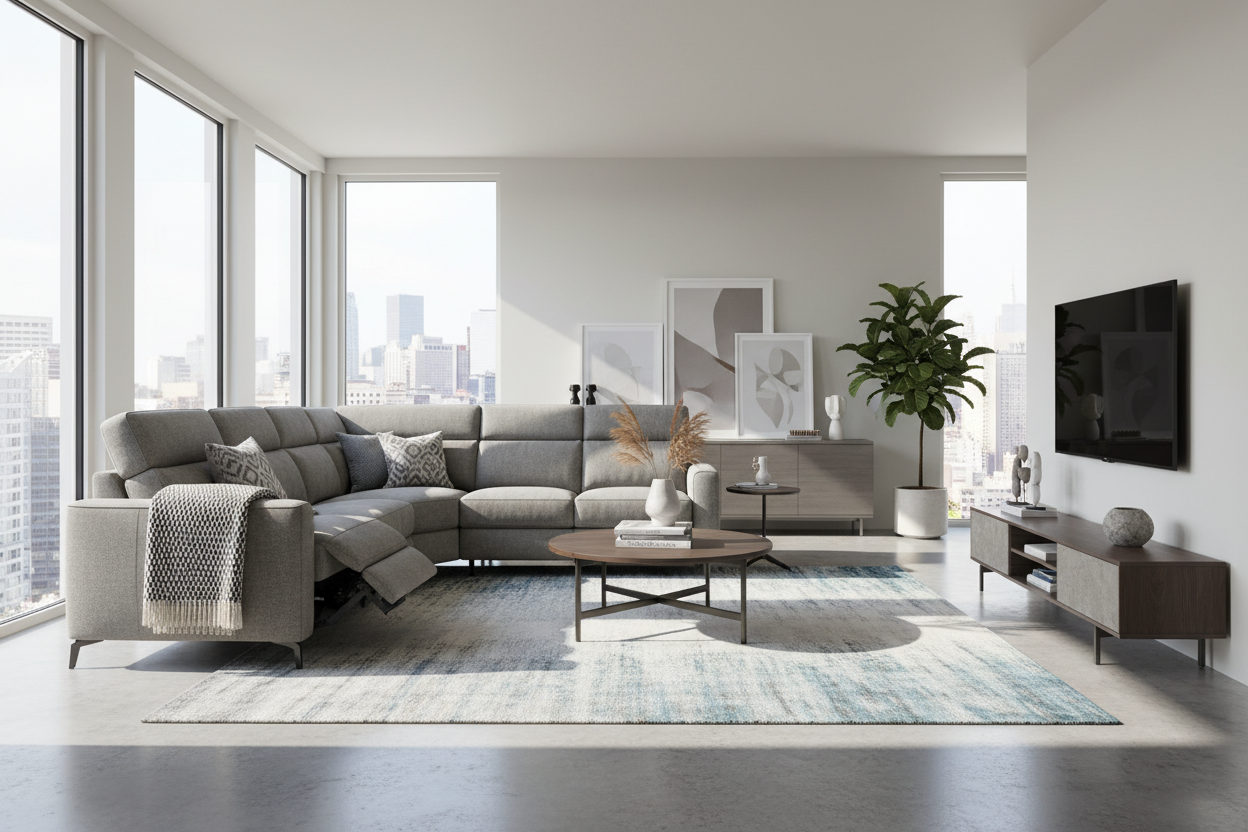
Surprisingly, a small-scale sectional can often make a room feel larger than a sofa and chair combo. A sectional unifies the seating into one continuous line, whereas multiple chairs can break up the floor plan and look chaotic in tight quarters.
How do I know if a coffee table is too big?
A good rule of thumb is to ensure there is at least 14 to 18 inches of walkway between the edge of the coffee table and the sofa. If you have less than that, the room will feel cramped. In very narrow spaces, consider nesting tables or C-tables instead of a central coffee table.

Leave a comment
This site is protected by hCaptcha and the hCaptcha Privacy Policy and Terms of Service apply.