










The eternal struggle in residential design is balancing the client's desire for ultimate relaxation with the designer's need for a clean, sophisticated silhouette. For years, the recliner was the enemy of the chic living room—bulky, overstuffed, and visually heavy. However, the modern l couch recliner has evolved. It is no longer just about function; it is about integrating motion technology into a sleek form factor that anchors a room without overwhelming it.
Quick Decision Guide: Key Features to Look For
Before committing to a large-scale piece, review these critical specifications to ensure longevity and comfort:
- Wall Clearance: Check if the piece is a "zero-wall" recliner (needs only 2-4 inches) or requires significant clearance behind it.
- Suspension System: Look for sinuous springs or 8-way hand-tied coils for long-term seat retention.
- Upholstery Rub Count: Ensure fabrics have a double-rub count over 50,000 for high-traffic family rooms.
- Motor Speed & Noise: High-end power recliners should operate silently and smoothly, taking 8-10 seconds to fully extend.
The Evolution of the Reclining L Sectional
Historically, motion furniture suffered from a lack of visual balance. Today, the reclining l sectional is designed with hidden mechanisms. The goal is to find a piece where the footrest is completely invisible when retracted. As a designer, I look for "leg-on-leg" construction, where the moving parts are concealed within the frame, maintaining a tailored look that mimics a stationary sofa.
The Rise of the Low Profile Aesthetic
If you prefer a contemporary or mid-century modern vibe, hunt for a low profile sectional with recliner functionality. These pieces often feature adjustable headrests that fold down when not in use. This preserves the horizontal sightlines of your room, making the ceiling feel higher and the space more open, while still offering neck support during movie nights.
Material Selection and Durability
When selecting an l couch with recliner, the friction caused by the moving parts necessitates higher-grade materials.
Leather vs. Performance Fabric
Top-grain leather is the gold standard for motion furniture because it moves with the mechanism without bunching. However, if you prefer the warmth of fabric, opt for a heavy-weight performance velvet or a tight-weave chenille. Avoid loose linens or light cottons; the constant extension and retraction of the footrest will cause these fabrics to wrinkle and lose their shape prematurely.
Space Planning and Traffic Flow
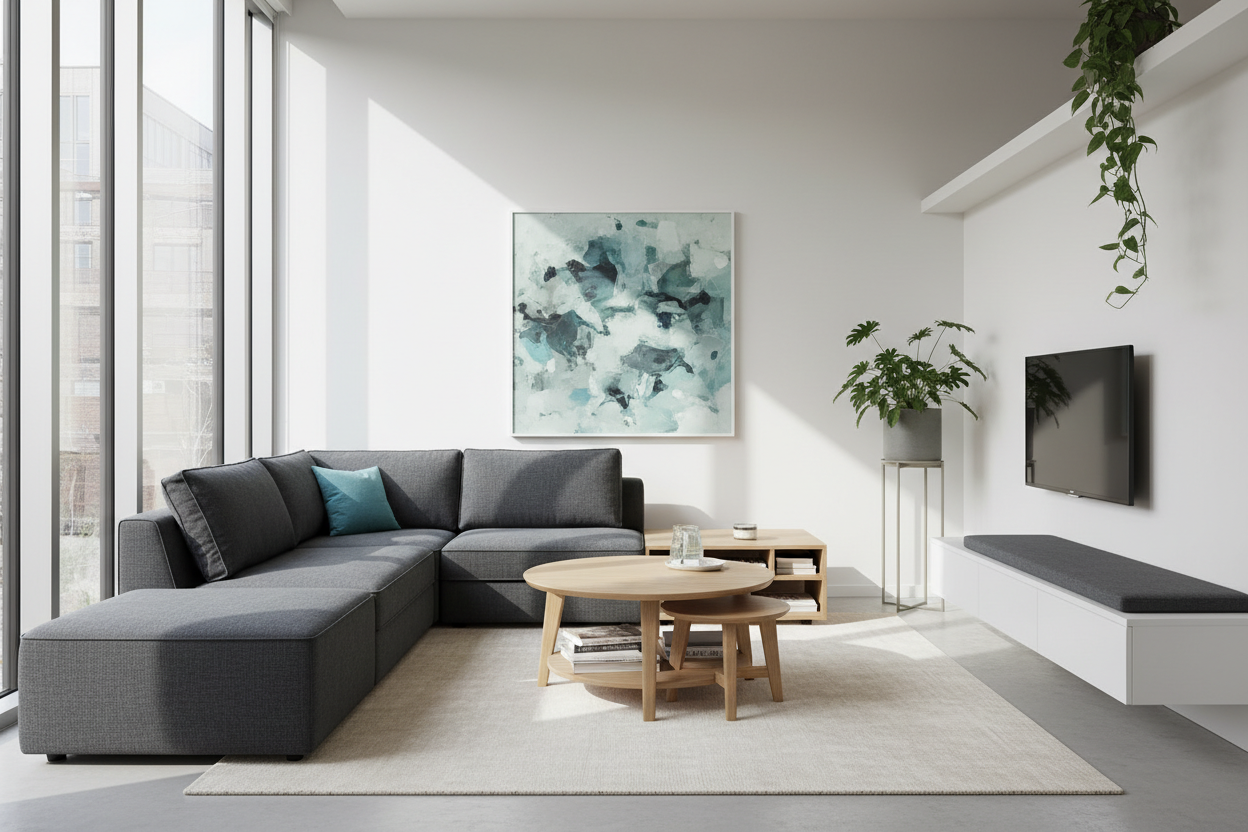
An L-shaped configuration naturally dictates the flow of a room. Place the longer side of the sectional against the longest wall or float it to define the living zone in an open-concept floor plan. Crucially, ensure you have at least 18 inches of clearance between the fully extended footrest and your coffee table. I often recommend nesting tables or round ottomans instead of heavy rectangular coffee tables to allow for easier movement around the extended recliner.
Lessons from My Own Projects
I learned a hard lesson about power recliners during a project for a client in a downtown loft. We floated a beautiful, high-end electric reclining sectional in the center of the room. It looked stunning—until we realized we had nowhere to plug it in without a cord snaking across the rug.
If you are floating your furniture, you must plan for floor outlets underneath the sofa. If construction isn't an option, you need to purchase a rechargeable battery pack specifically for furniture. Also, a detail often overlooked: check the "heel rest" area of the recliner (where your shoes hit). In one household, the light beige fabric started looking dingy within six months right at the feet. Now, I always recommend darker tones or stain-resistant treatments specifically for the footrest portion.
Conclusion
Investing in motion furniture doesn't mean sacrificing style. By focusing on low-profile silhouettes, durable upholstery, and proper space planning, you can achieve a living space that looks editorial but feels like a retreat. The right piece will serve as the functional anchor of your home for years to come.
Frequently Asked Questions
How much space do I need behind a reclining sectional?
Standard recliners need 10-14 inches of wall clearance. However, "wall-hugger" or "zero-clearance" models allow you to place the sofa within 2-4 inches of the wall, as the mechanism slides the seat forward rather than tipping the back backward.
Can I separate the pieces of an L couch recliner later?
This depends on whether the sectional is modular. Modular sectionals allow you to rearrange or separate pieces. However, many reclining sectionals have power connectors running between seats, meaning they must remain connected to function properly. Always check the schematic before buying.
What is the lifespan of the reclining motor?
A high-quality motor (like Okin or Limoss) typically lasts 10 to 15 years with regular use. Manual mechanisms may last longer due to fewer electrical parts, but they often lack the infinite positioning options of power models.

Leave a comment
This site is protected by hCaptcha and the hCaptcha Privacy Policy and Terms of Service apply.