










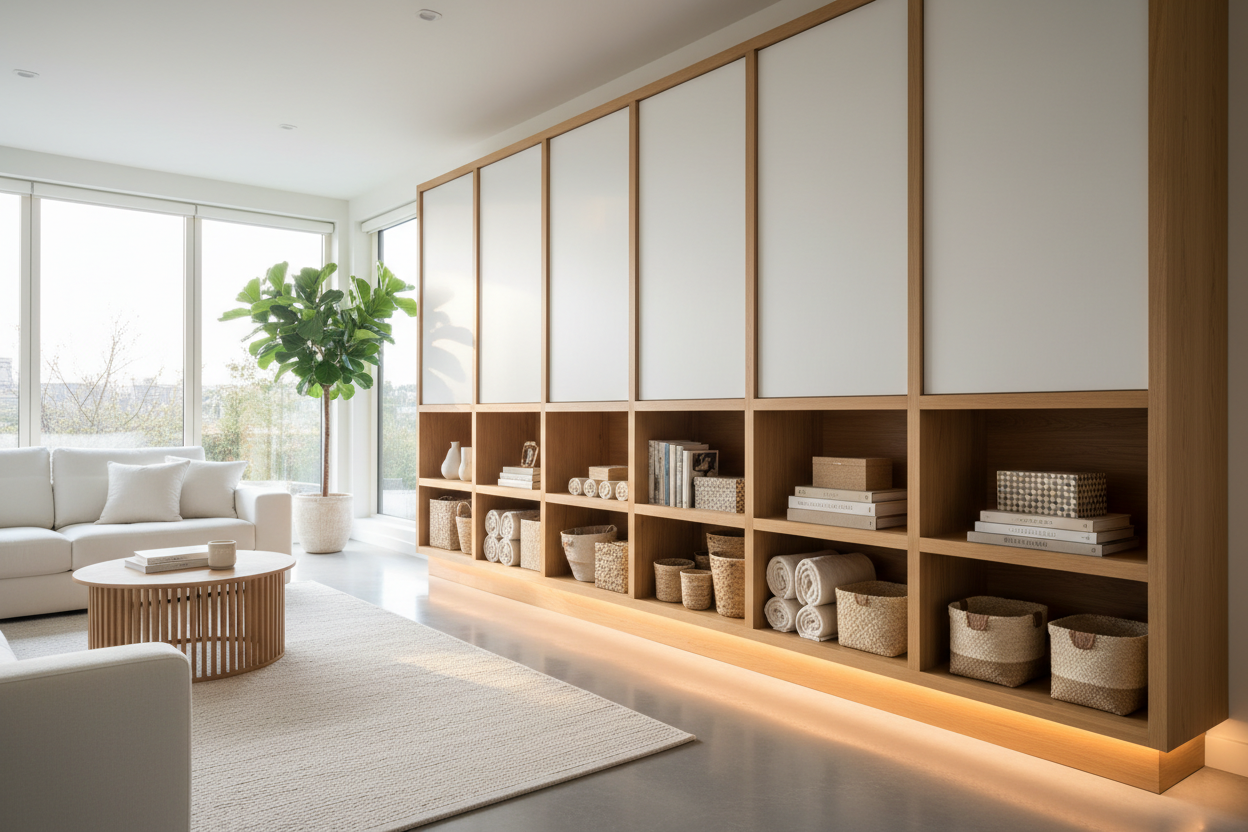
Most homeowners default to heavy, blocky furniture that sits flush against the floor when looking for extra storage. While these pieces hide clutter effectively, they often have the unintended side effect of making a room feel smaller and more crowded. The solution isn't necessarily less furniture, but rather furniture that breathes. A cabinet with open bottom architecture offers a distinct advantage: it provides the containment you need while maintaining the visual flow of your flooring, making tight spaces appear significantly larger.
These pieces function by lifting the bulk of the storage off the ground, either through legs or a dedicated open shelf structure at the base. This design choice does more than just look airy; it changes how you interact with your space. You get the utility of a standard cupboard without the visual weight of a solid wall of wood. Whether you are trying to organize a cramped entryway or add character to a living room, understanding how to utilize this furniture style is key to a balanced interior.
The Illusion of Space and Visual Flow
Interior designers often talk about "visual weight." A solid oak chest that touches the floor feels heavy. It anchors the room, sometimes too much. In contrast, a storage cabinet with open bottom allows light to pass through and lets the eye see the floor continuing underneath the piece. This optical trick is essential for apartments or smaller rooms where floor space is at a premium.
When you can see the baseboards and the flooring beneath your furniture, your brain interprets the room as being larger than it actually is. It creates a sense of airiness that solid-base furniture simply cannot replicate. This is particularly effective in hallways or landings where bulky furniture can create a "tunnel" effect. By swapping a solid unit for one with high clearance or open lower shelving, you immediately widen the perceived path.
The Hybrid Solution: Open Cabinet with Drawers
Purely open shelving can look messy, and purely closed cabinets can look heavy. The sweet spot for most households is the open cabinet with drawers. This hybrid design is arguably the most versatile piece of furniture you can own. The upper section, featuring drawers or doors, handles the unsightly clutter—batteries, paperwork, charging cables, and random knick-knacks that need to be hidden away.
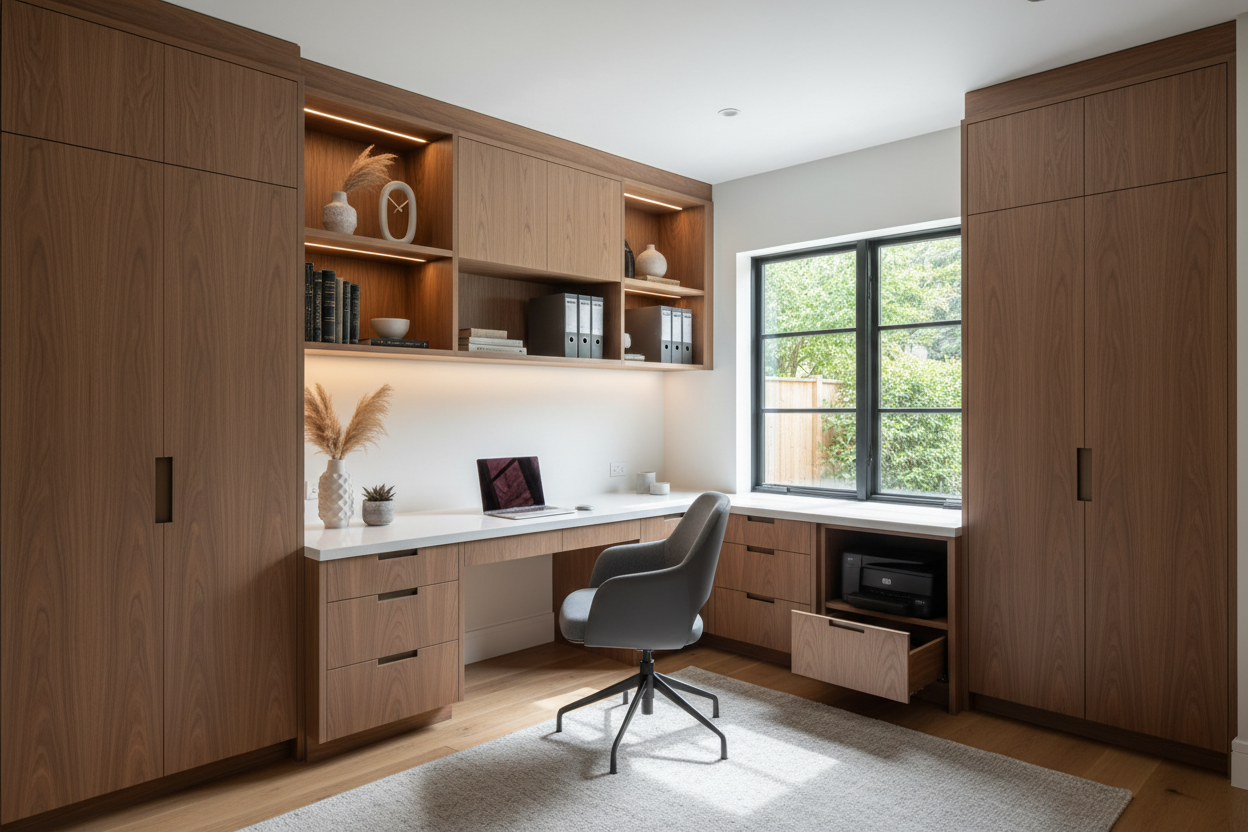
The lower section remains open, offering a stage for curated items or frequently accessed goods. In a dining room, the drawers might hold silverware and napkins, while the open bottom displays large serving bowls or a stack of table linens. In a home office, the drawers conceal stationery, while the open space below houses your printer or a decorative basket for waste paper. This duality allows you to maintain a clean aesthetic without sacrificing practical accessibility.
A Personal Take on Entryway Chaos
I learned the value of this design the hard way in my first apartment, which had a violently narrow entryway. I initially bought a standard, solid-to-the-floor shoe cabinet. It technically fit, but every time I walked in the door, I felt like I was squeezing past a boulder. The hallway felt dark and cramped. I eventually sold it and replaced it with a mid-century style console—essentially a shallow cabinet with open bottom legs that raised the storage box about 12 inches off the ground.
The difference was night and day. Not only did the hallway feel twice as wide because I could see the floorboards, but the open space underneath became functional. I placed a low woven tray there to catch wet shoes that I didn't want inside the cabinet yet. It turned dead space into a drying rack and completely opened up the flow of the apartment entrance. That experience shifted how I buy case goods; I now almost exclusively look for pieces that sit on legs or have open lower tiers.
Practical Applications Room by Room
The Bathroom
Bathrooms are often plagued by humidity and a lack of square footage. A solid vanity can trap moisture against the floor. A storage cabinet with open bottom allows for better air circulation, reducing the risk of mold growth on the floor or the cabinet base. Furthermore, the open space is perfect for stacking fresh towels or storing a bathroom scale that you want easily accessible but out of the way.
The Living Room
Media consoles often dominate living rooms. A heavy entertainment center can dominate the wall. Choosing a unit with an open bottom structure allows for easier cable management and prevents electronics from overheating. If you choose an open cabinet with drawers for this space, you can hide the remotes and gaming controllers while using the open bottom to display coffee table books or store blankets in textured baskets.
The Kitchen
Freestanding kitchen islands or baker's racks often utilize this open-bottom concept. It is incredibly practical for heavy items. Cast iron skillets, Dutch ovens, and large mixing bowls are cumbersome to retrieve from deep, low cupboards. An open bottom shelf allows you to grab these heavy items without wrestling with doors, and it adds a professional, chef-kitchen vibe to the space.
Cleaning and Maintenance Realities
There is a pragmatic benefit to this design that often goes unmentioned until you live with it: cleaning. Furniture that sits flush with the floor is a magnet for dust bunnies that get trapped along the edges, requiring you to move the heavy piece to clean effectively. With a raised or open design, you have clear access.
If you own a robot vacuum, a cabinet with open bottom is practically a requirement. Most modern furniture legs are designed with enough clearance to allow a robot vacuum to pass underneath freely. This means the floor under your storage unit gets cleaned just as often as the rest of the room, reducing overall dust and allergens in your home. If the bottom is a shelf rather than just legs, it usually sits high enough to sweep under, or the shelf itself is easy to wipe down compared to the dark corners of a deep cupboard.
Styling the Open Space
The risk with open bottoms, particularly those with shelves, is that they can become clutter magnets if not managed correctly. To keep the look intentional rather than accidental, use containers. Woven baskets, wire bins, or wooden crates can act as "drawers" for the open space. This unifies the look and hides the visual noise of whatever is inside the basket.
Negative space is also your friend. You do not need to fill the entire open area. If you have a cabinet with tall legs, leaving the space underneath completely empty highlights the furniture's silhouette and maximizes the light flow. If you must store items there, ensure they are large and singular—like a single large vase or a stack of three substantial books—rather than a scattering of small items which will look like debris.
Selecting the Right Material and Build
Because these cabinets do not have a solid base distributing weight across the entire floor, structural integrity is vital. When shopping for an open cabinet with drawers, pay attention to the joinery and the material of the legs. Solid wood or metal bases are preferable to particle board, which may bow or crack under the weight of the upper cabinet over time.
Check the weight capacity specifically for the bottom shelf if the unit has one. This area often ends up holding the heaviest items—stacks of magazines, equipment, or bulk supplies. Ensure the design includes a center support leg if the cabinet is particularly wide, as this prevents sagging and ensures your piece remains level and attractive for years to come.
Frequently Asked Questions
How do I stop the open bottom area from looking cluttered?
The best strategy is to use matching baskets or bins that fit the dimensions of the open space. This creates a uniform look that hides loose items while adding texture to the room. Alternatively, keep the items sparse and intentional, such as a single stack of books or a decorative plant, rather than using it for bulk storage.
Are cabinets with open bottoms safe for households with small children?
Yes, but anchoring is non-negotiable. Because these cabinets can be top-heavy—especially an open cabinet with drawers where the weight shifts when a drawer is pulled out—they must be secured to the wall with anti-tip hardware. This prevents the unit from tipping over if a child climbs on the open lower section or pulls on a drawer.
Can I convert a standard cabinet into an open bottom style?
It is possible to add aftermarket legs to a standard cabinet to create an open bottom look, provided the base of the existing cabinet is strong enough to take screws. You will need to reinforce the bottom panel to ensure it doesn't bow, as the weight distribution will shift from the entire base to just the four corners.

Leave a comment
This site is protected by hCaptcha and the hCaptcha Privacy Policy and Terms of Service apply.