










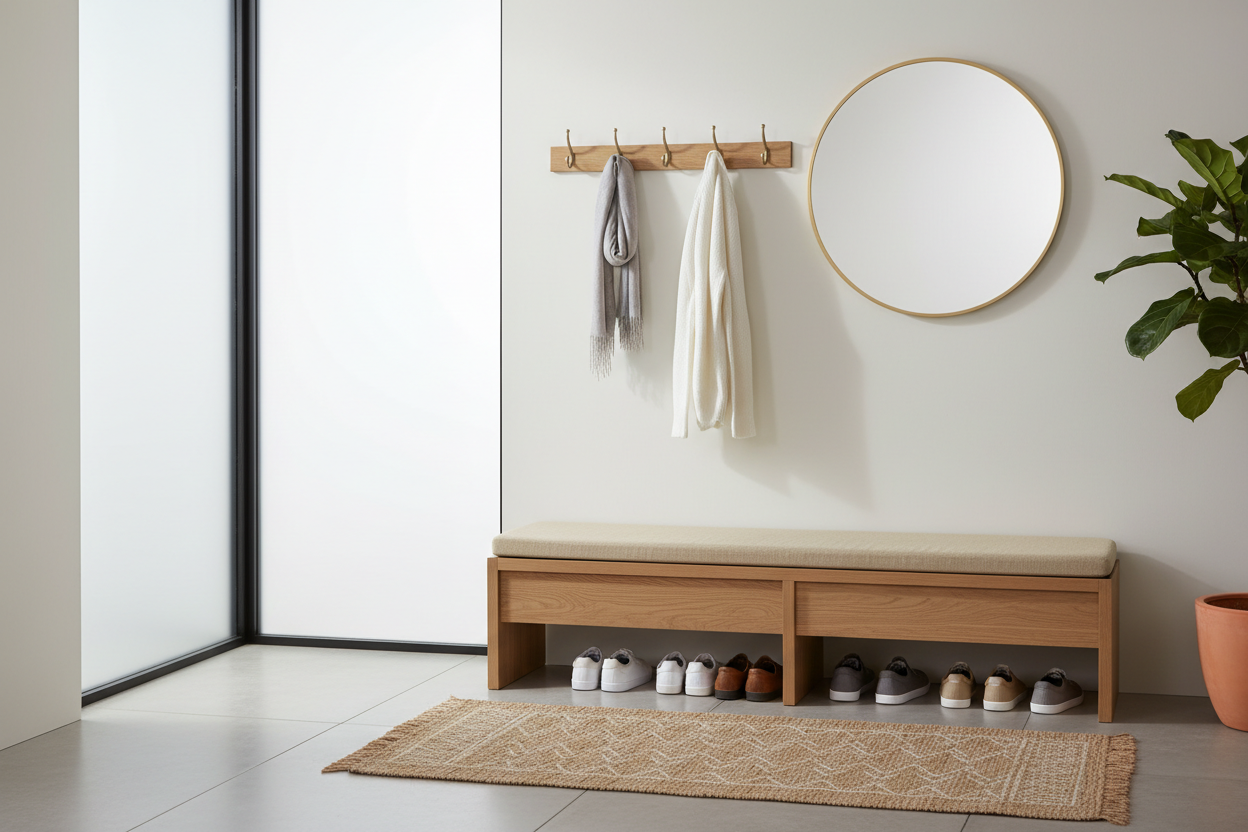
The moment you step through your front door, your home should welcome you, not present an obstacle course of discarded sneakers and backpacks. This transitional space sets the tone for the rest of your house. It is where you unload the day's burdens and greet guests. Yet, it is often the most neglected area in terms of furniture. Adding a dedicated seat can transform this chaotic drop zone into an organized, inviting space. Whether you call them entryway benches or a catch-all landing pad, these pieces of furniture are the unsung heroes of home organization.
Finding the right balance between form and function is the trick. You want something that looks good enough to make a strong first impression but is durable enough to handle wet raincoats, muddy boots, and the weight of grocery bags. From sleek benches for entryway designs to rustic wooden slabs, the options are vast. Let’s break down how to select the right piece for your specific needs.
The Reality of a Cluttered Entrance
I learned the value of a good bench the hard way. In my first home, the front door opened directly into the living room with no defined foyer. We had a pile of shoes that seemed to reproduce overnight. One rainy Tuesday, I walked in carrying three bags of groceries, tripped over a running shoe, and sent a carton of eggs flying across the floor. That weekend, I went hunting for benches for hallway use—specifically something narrow enough not to block the path but sturdy enough to sit on while untying laces.
Bringing in a simple bench seat for entryway use changed everything. Suddenly, there was a designated spot to sit and remove shoes, and more importantly, a visual cue that said, “this is where the outside gear stops.” It wasn't just about storage; it was about creating a pause point in the home.
Defining the Function of Your Foyer Bench
Before browsing entryway benches for sale, determine exactly what job this furniture needs to do. Is it primarily for sitting, or is it for hiding clutter? If you have a large family, a simple slab of wood won't suffice. You need a workhorse. A bench for foyer areas often needs to double as a storage unit. If your main struggle is visual clutter—hats, scarves, and dog leashes—look for an entryway bench with doors. Cabinet-style benches allow you to close the doors on the mess, keeping the entry looking pristine even if the inside of the bench is chaotic.
On the other hand, if your space is more formal and you rarely use the front door for daily traffic, you might prioritize aesthetics. Foyer benches in these spaces can be upholstered, delicate, and more like art pieces. An elegant bench for entrance hall setups can anchor a mirror or a piece of artwork, serving as a focal point rather than a storage locker.
Sizing and Placement for Flow
Space constraints are the biggest hurdle. A bulky piece in a narrow corridor creates a bottleneck. If you are working with a tight corridor, look specifically for benches hallway designs, which are typically shallower (around 12 to 15 inches deep) compared to standard benches. An entrance hallway bench should never impede the flow of traffic. You need at least 30 to 36 inches of walking clearance in front of the furniture.
Consider the swing of your front door. A common mistake is placing a bench for doorway proximity without accounting for the door's radius. Ensure the door can open fully without banging into the corner of your new seat. If you have a recessed nook, a built-in look can be achieved with a perfectly measured hallway entryway bench that spans the width of the alcove.
Height and Comfort
The standard height for a bench seat entryway is between 18 and 20 inches. This matches standard dining chair height, making it comfortable for most adults to sit and put on shoes. If you have elderly family members or young children, this height is crucial. Too low, and it is hard to get up; too high, and feet dangle. If you choose a wooden home entryway bench, consider adding a cushion. It adds height and comfort, plus it introduces texture and color to the area.
Material Selection: Durability vs. Style
Your entryway bench indoor location protects it from the elements, but it still faces high traffic. Muddy jeans, wet umbrellas, and pet claws are real threats. Solid wood is a classic choice for entryway bench furniture because it is forgiving. Scratches can add character or be sanded out. Metal and industrial styles are virtually indestructible and work well in modern homes.
Upholstered entry hall benches add a touch of luxury and softness, which can be welcoming in a space often dominated by hard surfaces like tile or hardwood. However, be wary of light fabrics. Performance fabrics or leather are safer bets if you expect heavy usage. A velvet bench might look stunning, but it won't stand a chance against a muddy Golden Retriever.
Storage Configurations
If you lack a coat closet, your bench needs to pick up the slack. Open shelving underneath is great for kicking shoes into quickly, but it keeps the shoes visible. Baskets are a great compromise, sliding into the open cubbies of an entryway hall bench to hide the contents while keeping them accessible. Lift-top benches offer deep storage for out-of-season items, but remember: you cannot access the storage if someone is sitting on it, or if you have styled the top with pillows. For daily items, drawers or front-opening doors are far more practical.
Styling Your Entryway
Once you have selected your furniture, styling integrates it into the home. A bench for entryway use shouldn't look like it was just dropped there. Anchor the space with a rug runner. Hang hooks above the bench for coats and bags, creating a mudroom effect even without a dedicated room. Flank the bench with a tall plant or an umbrella stand to soften the edges. The goal is to make the bench seat for entryway use feel like a natural part of the architecture.
Whether you choose a minimalist metal frame or a chunky wooden entryway bench with doors, the impact on your daily routine is immediate. You stop balancing against the wall to take off boots. You stop tripping over scattered gear. It turns the act of leaving and coming home into a smoother, more organized experience.
Frequently Asked Questions
What is the ideal depth for a hallway bench?
For narrow spaces, aim for a depth between 12 and 15 inches. This provides enough surface area to sit briefly without encroaching on the walking path. Standard benches are usually 16 to 18 inches deep, which requires a wider foyer to accommodate the footprint comfortably.
Can I use a dining bench in the entryway?
Yes, dining benches are often repurposed successfully as entryway furniture. They are built to the correct seating height (around 18 inches) and are generally sturdy. Just ensure the length fits your wall space, as dining benches can be quite long.
How do I protect a fabric bench in a high-traffic entryway?
Treat the fabric with a stain guard spray immediately upon purchase. Alternatively, look for benches upholstered in performance fabrics designed for outdoor or commercial use, or opt for leather and faux leather, which can be wiped down with a damp cloth.

Leave a comment
This site is protected by hCaptcha and the hCaptcha Privacy Policy and Terms of Service apply.