










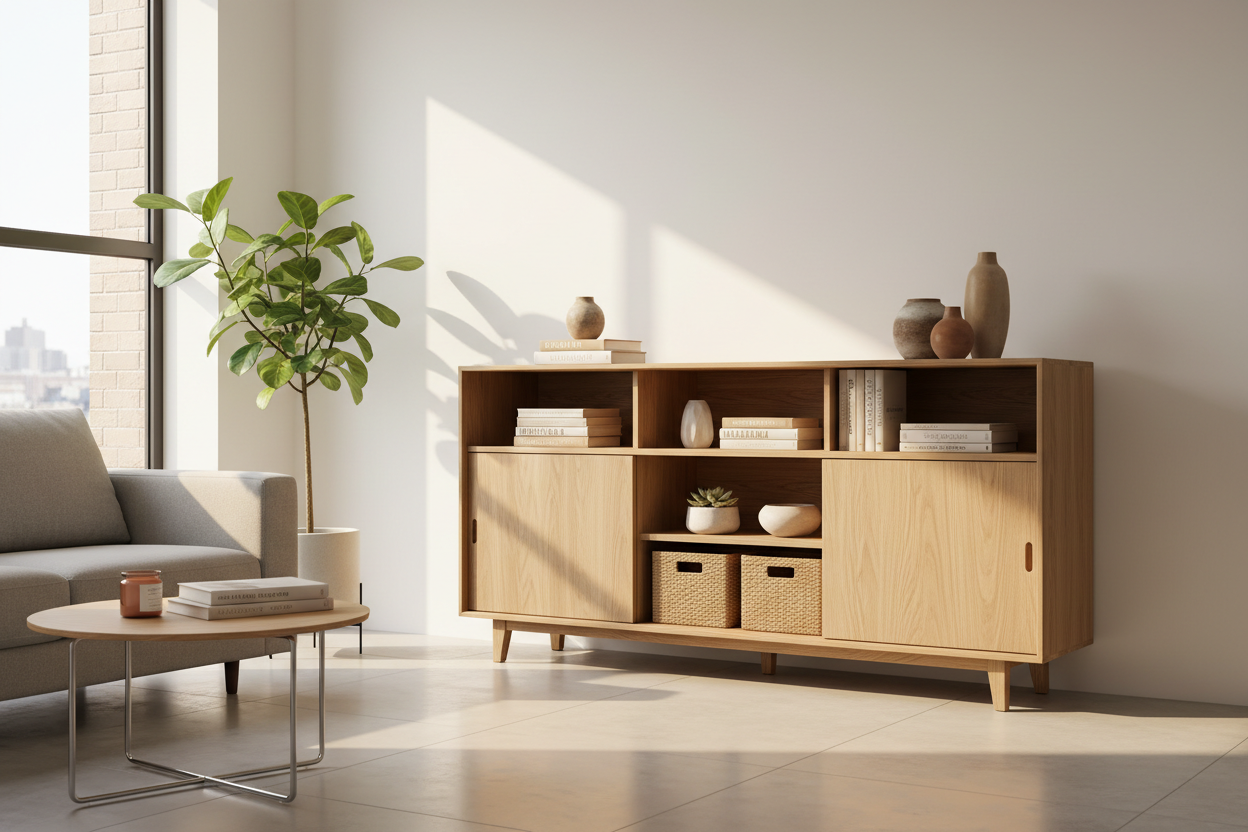
Clutter has a way of creeping up on us. One day you have a clear desk or an empty garage corner, and the next, you are navigating an obstacle course of loose papers, tools, or household knick-knacks. The most effective way to reclaim your square footage isn't just throwing things away; it is establishing a dedicated home for every item using a proper cabinet with storage capabilities. A well-chosen unit transforms a pile of mess into an organized system, protecting your belongings from dust while keeping them accessible.
Finding the right furniture piece requires more than just picking the first box you see at a big-box store. It involves understanding weight limits, material durability, and how the internal layout matches what you actually own. Whether you are organizing a corporate archive or a mudroom, the principles of selecting quality storage cabinets remain the same: stability, capacity, and accessibility.
My Battle with the "Bargain" Cabinet
I learned the hard way that not all storage is created equal. A few years ago, I attempted to organize my workshop using the cheapest plastic units I could find. I needed a cabinet for storage of power tools and heavy paint cans. The product description promised durability, but within three months, the shelves began to bow aggressively in the center. Eventually, the entire unit leaned precariously to the left, threatening to dump gallons of latex paint onto the concrete floor.
That experience shifted my perspective. I replaced those failing units with heavy-duty steel cabinet units featuring reinforced shelving. The difference was night and day. The doors closed with a solid click, the shelves didn't groan under weight, and I stopped worrying about a garage avalanche. This taught me that investing in the right infrastructure upfront saves money—and sanity—in the long run.
Deciphering Cabinet Types and Configurations
The market is flooded with options, and distinguishing between them is vital. You will often see terms like storage cabinets cupboard or pantry units used interchangeably, but the internal design dictates the function. A standard storage cabinet usually features adjustable shelving behind two solid doors. These are the workhorses of organization, ideal for hiding visual clutter like stacks of paper, cleaning supplies, or linen.
For those who need immediate visual access to their items, shelving cabinets are a better route. These often combine open upper tiers with closed lower compartments. A shelf cabinet hybrid allows you to display items you use daily—like books or binders—while concealing less attractive items below. This configuration is particularly popular in home offices where aesthetics matter as much as utility.
If you are dealing with smaller, intricate items, a cabinet with compartments is indispensable. These units often come with built-in dividers or drawers rather than just wide, open shelves. They are perfect for crafters, mechanics, or anyone managing an inventory of small parts. An accessory cabinet falls into this category, specifically designed to hold jewelry, ties, or hardware, preventing them from becoming a tangled mess in a larger drawer.
Materials and Durability
When you decide to buy storage cabinet furniture, the material is the primary predictor of longevity. Metal cabinets are the gold standard for garages, basements, and utility rooms. They resist moisture, handle temperature fluctuations, and support significant weight. If you are outfitting a damp area, metal is safer than particleboard, which can swell and rot.
For interior spaces like living rooms or bedrooms, a home storage cabinet made from solid wood or high-grade MDF offers a warmer look. These units blend with existing decor rather than looking like industrial lockers. However, be wary of the weight capacity on wooden composite shelves. If you plan to store heavy textbooks or appliances, check the load rating per shelf.
Optimizing the Storage Room
Dedicated utility spaces require a different strategy. When selecting cabinets for storage room environments, modularity is key. You want a system that can grow with your needs. Many manufacturers offer storage and cabinet systems that bolt together, allowing you to create a wall-to-wall solution.
In these rooms, vertical space is your best friend. Look for tall storage cabinets; cabinet height should ideally reach near the ceiling to maximize the footprint. Store seasonal items like holiday decorations or camping gear on the highest shelves, keeping everyday items at eye level.
Key Features to Look For
Regardless of the style, there are specific indicators of quality. A cabinet with adjustable feet is crucial for uneven floors, especially in basements or garages. Without leveling feet, the doors may not close properly, leading to stress on the hinges.
Speaking of hinges, look for a cabinet for heavy use that utilizes European-style hidden hinges or full-length piano hinges. These withstand repeated opening and closing much better than standard pin hinges. Furthermore, safety is non-negotiable. Any tall cabinet storage unit must be anchored to the wall to prevent tipping, particularly in homes with children or pets.
Making the Final Decision
Before making a purchase, audit what you intend to store. Pile everything on the floor and categorize it. Do you have tall items like brooms? You need a utility cabinet with a vertical partition. Do you have heavy boxes? You need reinforced steel shelving. Do not force your belongings to fit a cabinet; choose a cabinet with storage logic that fits your belongings.
Organization is a process, not a one-time event. Implementing the right storage cabinets cabinet systems provides the framework for a tidy life. By focusing on quality materials, appropriate weight capacities, and functional layouts, you turn the overwhelming task of cleaning up into a sustainable, organized lifestyle.
Frequently Asked Questions
How much weight can a standard storage cabinet hold?
Weight capacity varies significantly by material. A standard particleboard home cabinet might hold 25-50 pounds per shelf, while heavy-duty steel garage cabinets can often support 150-300 pounds per shelf. Always check the manufacturer's specifications before loading heavy items.
What is the difference between a cupboard and a storage cabinet?
While the terms are often used interchangeably, a cupboard generally refers to smaller, often wall-mounted units used for food or dishware (like in a kitchen). A storage cabinet is typically a larger, floor-standing unit designed for general utility, office supplies, or heavier equipment.
How do I stop my storage cabinet from wobbling?
Wobbling is usually caused by uneven flooring. Ensure you purchase a cabinet with adjustable leveling feet to compensate for the floor's variance. Once leveled, anchoring the unit to the wall studs is essential for stability and safety.


Leave a comment
This site is protected by hCaptcha and the hCaptcha Privacy Policy and Terms of Service apply.