






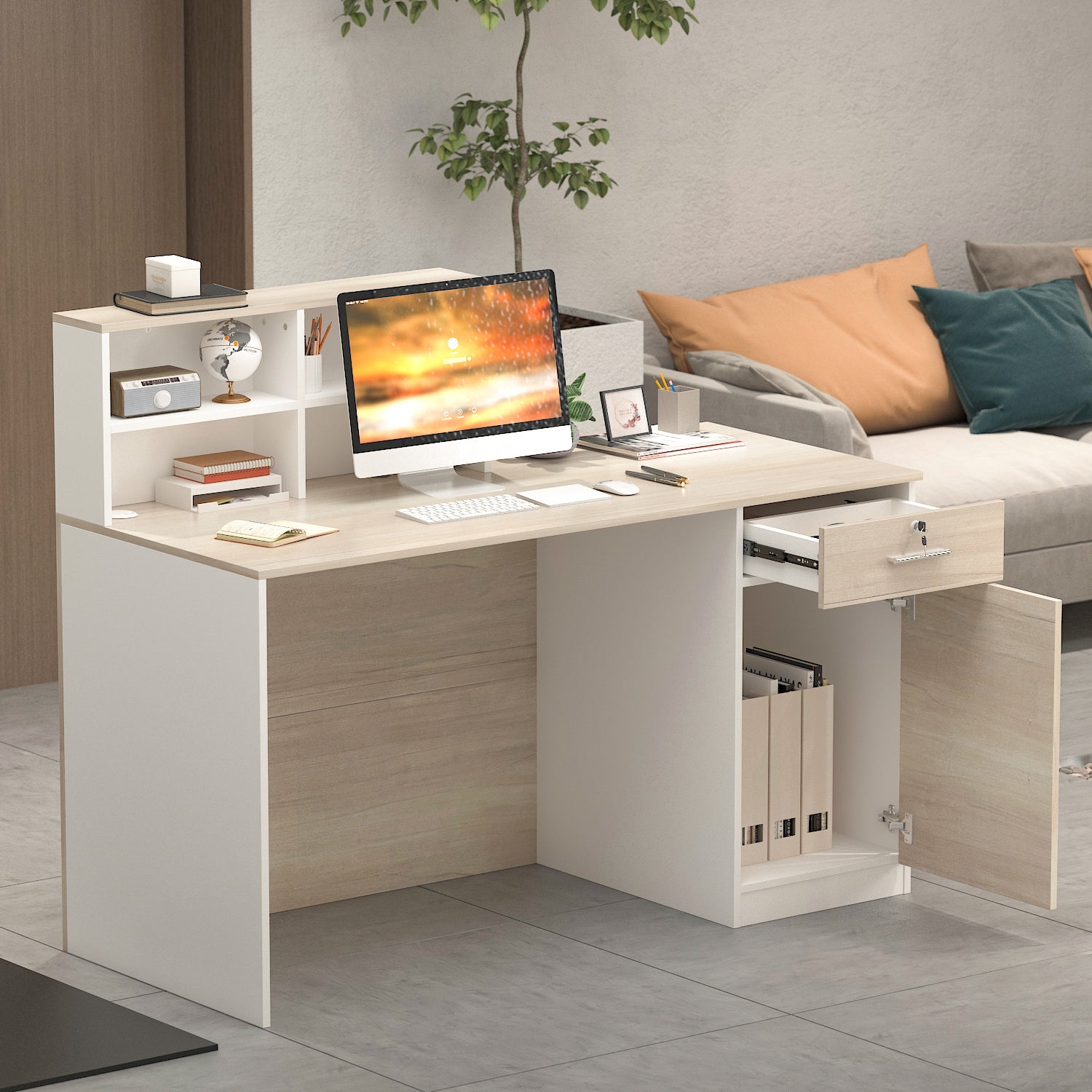

Finding the right seating setup involves understanding how dynamic furniture elements interact with stationary tables, storage credenzas, and floor surfaces. An adjustable height desk chair serves as the central ergonomic bridge between the floor, your posture, and the work surface. Choosing the right design requires looking beyond simple appearance to evaluate pneumatic lift ranges, structural base footprints, and spatial clearances around your desk.
Understanding Adjustable Height Desk Chair Mechanics
Modern height-adjustable seating relies on an internal pneumatic gas cylinder positioned inside the central column. This component allows for smooth, continuous vertical adjustment when the user activates an under-seat paddle or lever. When seated, pressing the lever compresses or expands the internal nitrogen chamber, enabling the seat pan to rise or lower to match the user's leg length and desk surface.
In addition to the central lift column, the base configuration determines overall balance and swivel mobility. A standard five-star base distributes weight evenly across multiple points of contact, providing stability throughout 360-degree rotation. Whether you are evaluating a compact pneumatic desk chair for a study nook or a broader height adjustable swivel chair for a dedicated home office, verifying the stability and lift stroke of the central column is foundational to long-term comfort.
Dimensional Planning: Chair Travel and Desk Clearance Dynamics
Vertical seat travel must coordinate directly with your desktop height, whether you work at a traditional fixed-height credenza or an active workstation. Standard sitting posture requires the seat pan to sit at a level where your feet rest flat against the flooring, while your forearms rest naturally along the work surface without lifting or hunching the shoulders.
When selecting a height adjustable office chair, consider the thickness of the desktop surface and any under-desk support rails or crossbeams. Combining flexible seating with an adjustable height desk product allows you to calibrate both surfaces independently, eliminating common clearance conflicts caused by fixed-frame tables.
Coordinating Armrest Heights with Desk Aprons and Drawers
A frequent challenge in home workspace planning is armrest interference. If chair armrests sit higher than the bottom edge of a desk apron or drop-down keyboard shelf, the chair cannot be tucked in fully when not in use. This leaves the rear caster base protruding into pathways and walkways.
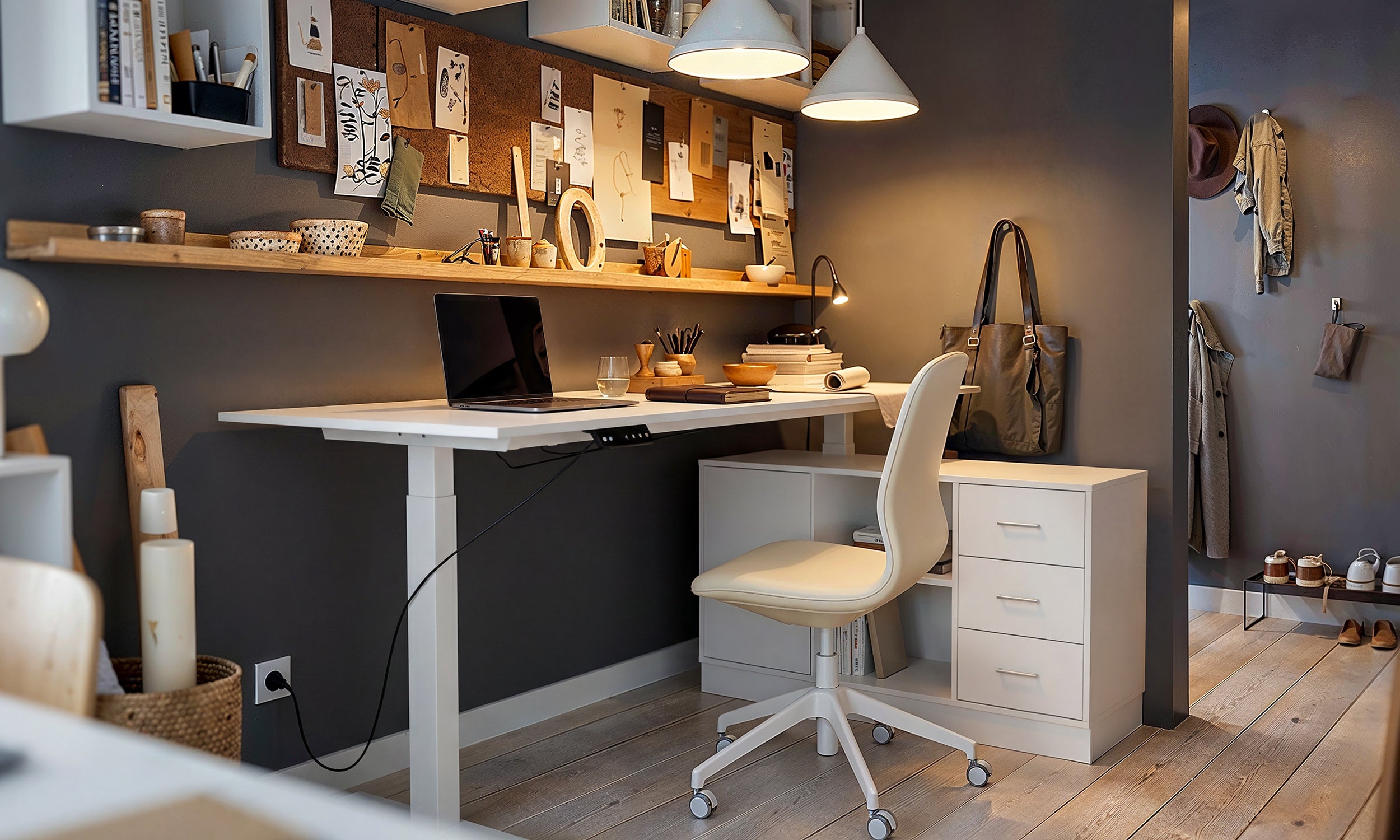
To avoid this issue, look for an adjustable office desk chair that includes height-adjustable, pivoting, or flip-up armrests. For setups located in compact rooms or integrated armoires, checking clear span heights under the desktop keeps the work zone tidy. For additional spatial strategies in enclosed alcoves, review our computer desk office guide for planning efficient, multi-purpose work zones.
Seating Archetypes: Task, Executive, Drafting, and Multi-Use Chairs
Seating designs vary significantly in scale, mechanical adjustability, and intended use:
- Task Chairs: Compact, streamlined designs focused on essential adjustments. Ideal for smaller rooms, secondary desks, and study corners.
- Ergonomic Mid-Back and High-Back Chairs: Feature dedicated lumbar curves, seat tilt mechanisms, and multi-directional armrests for extended daily work routines.
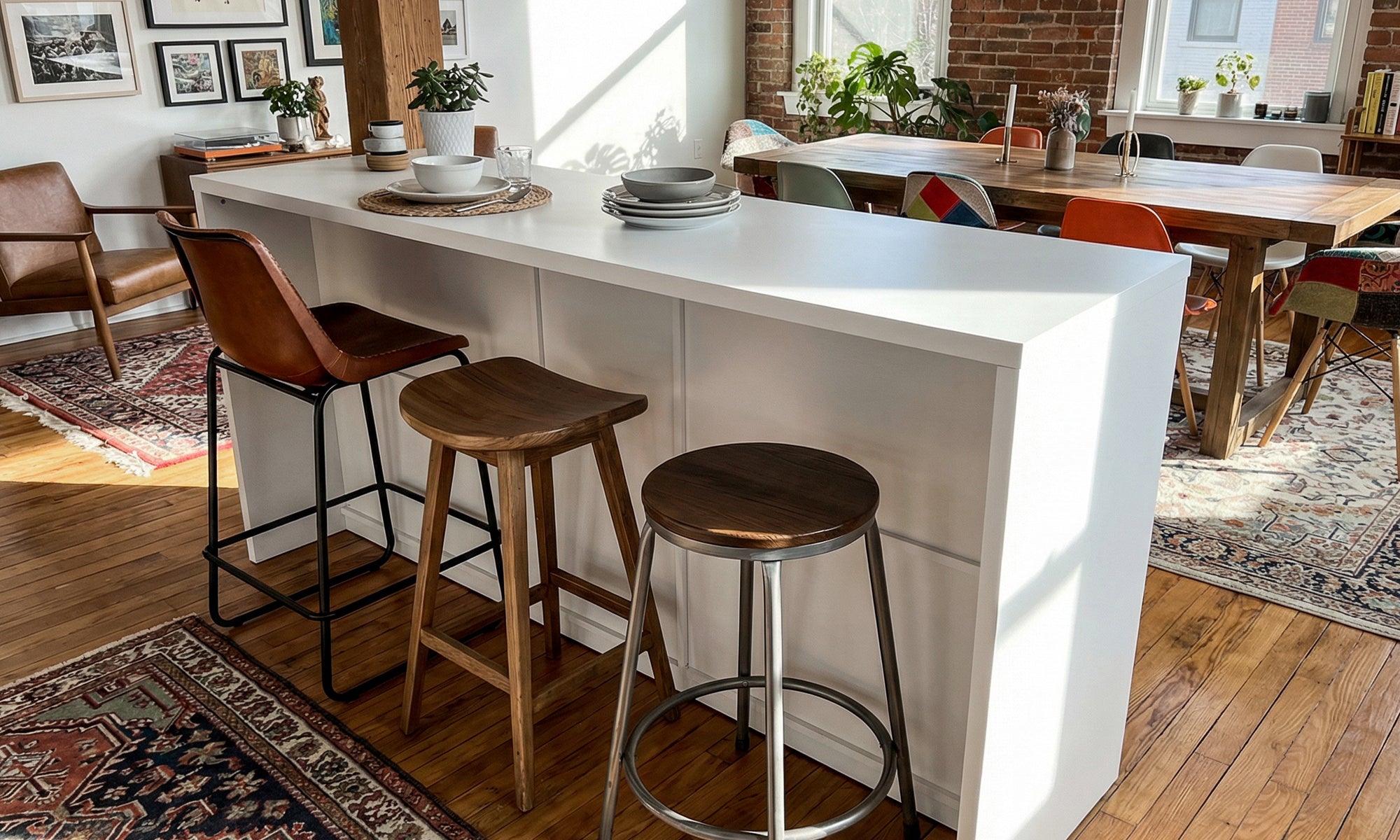
- Drafting and Raised Chairs: Equipped with an extended pneumatic cylinder and integrated foot ring, designed specifically for higher counters, architectural drafting tables, and standing-height surfaces.
- Multi-Use Chairs: Lightweight or hybrid designs that transition smoothly between desk work, creative hobbies, and casual reading areas.
Determining which archetype suits your room depends on daily habits and room layouts. Reviewing our work desk office guide can help you decide whether your space requires a dedicated task seat or a flexible multi-use layout.
Material Selection, Wheel Casters, and Floor Surface Compatibility
The choice of upholstery and wheel hardware directly impacts daily breathability, maintenance, and mobility. Mesh backrests allow air to circulate freely, which helps maintain comfort during long periods in warmer environments. Cushioned fabric upholstery provides a soft, structured feel, while durable synthetic leathers offer smooth aesthetics and wipe-clean maintenance.
Caster selection is equally important for an adjustable height desk chair with wheels:
- Hard Nylon Casters: Designed to roll smoothly over low-pile rugs and carpeted surfaces without excessive resistance.
- Soft Polyurethane or Rubberized Casters: Formulated for hard surfaces such as hardwood, laminate, tile, or vinyl, reducing rolling noise and surface wear.
- Stationary Glides: Fixed feet that replace wheels when total stability without movement is preferred in tight spaces.
Integrating Adjustable Seating with Home Office Furniture and Storage
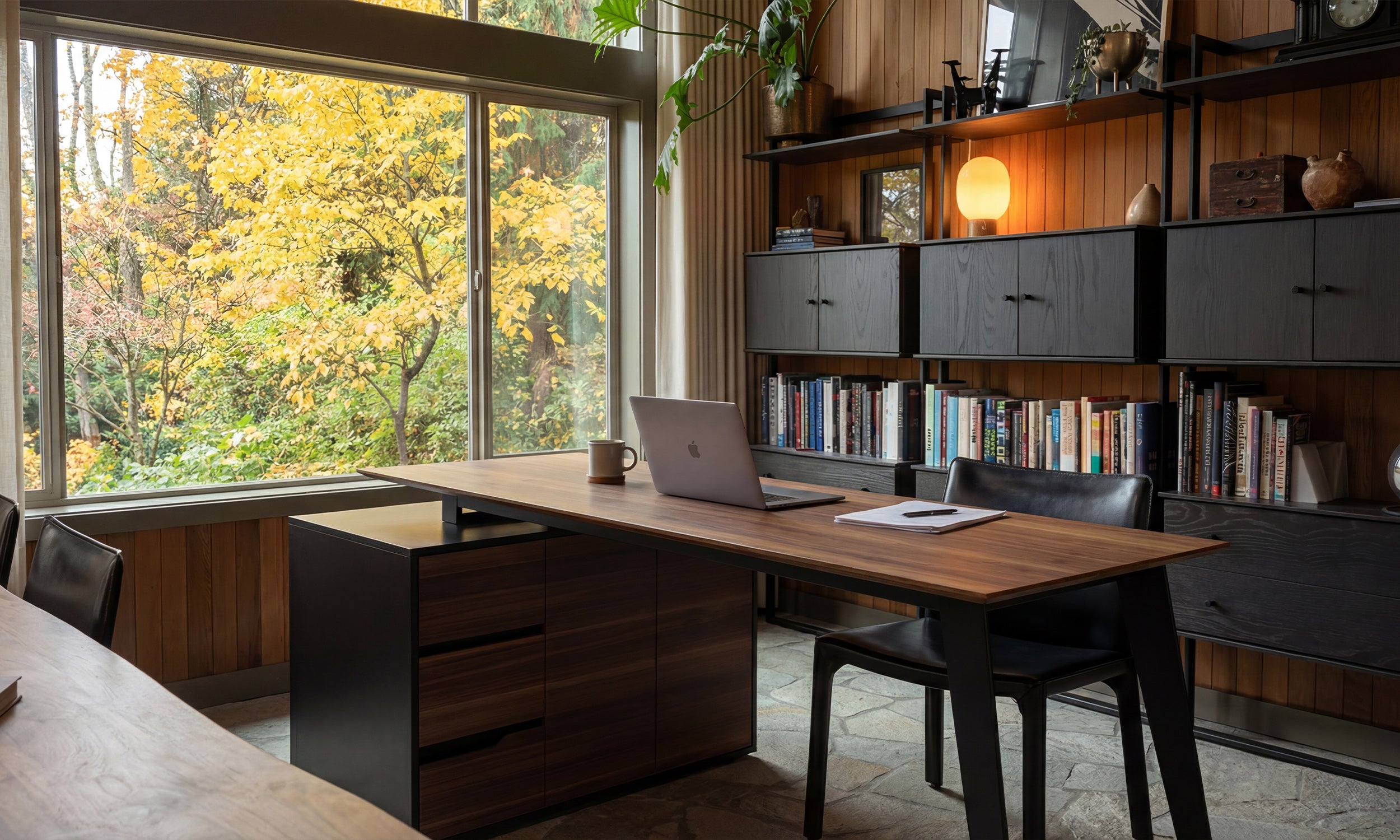
A workspace functions best when the chair's footprint and rotation radius are coordinated with surrounding storage units. Ensure adequate clearance behind the desk so the chair can slide back and rotate freely without striking file cabinets, credenzas, or wall moldings.
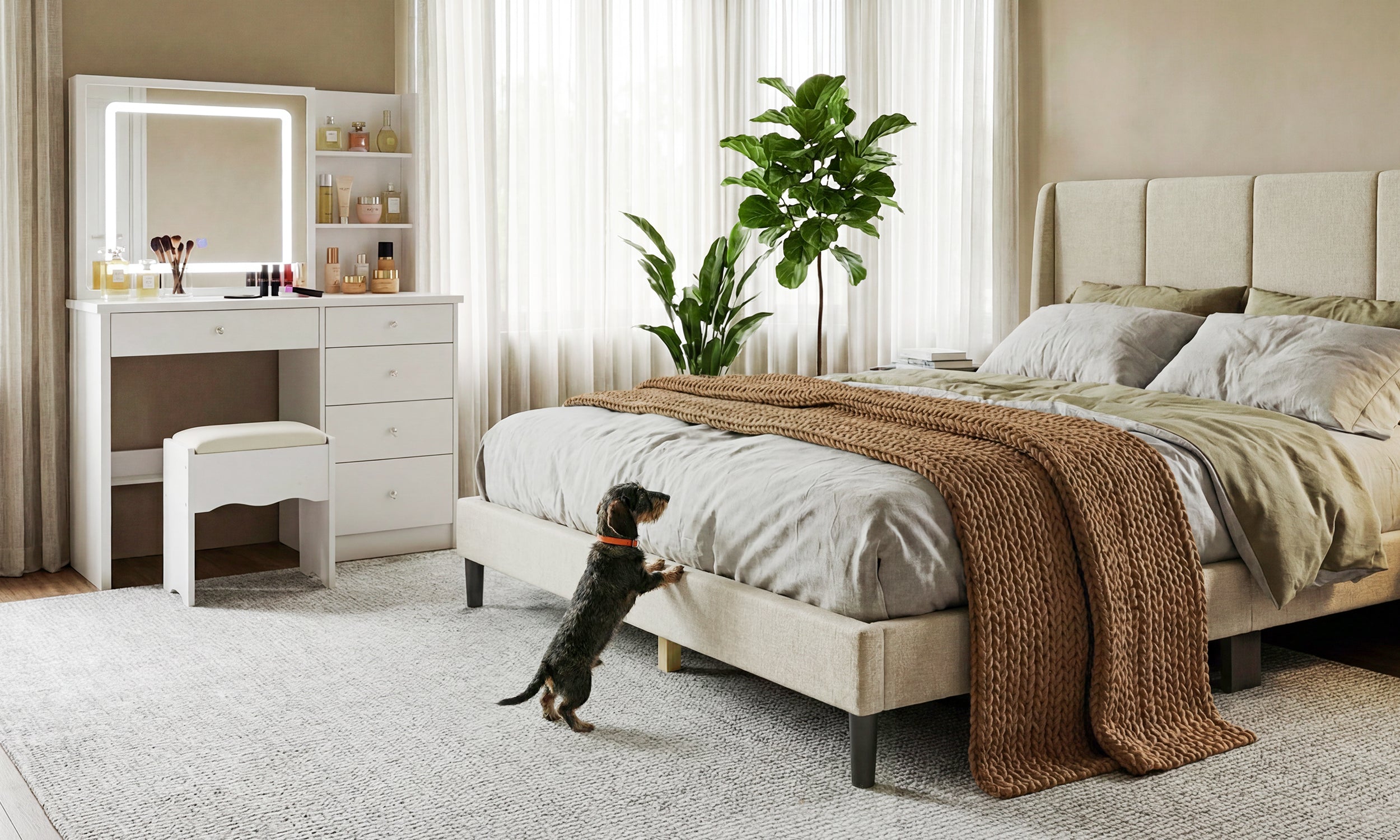
Pairing flexible seating with multi-functional furniture is especially valuable in versatile rooms. For example, a low-profile swivel chair pairs effortlessly with a desk adjustable height product that transitions between beauty routines and laptop work. To create a cohesive, organized room layout, explore our dedicated office study collection for storage towers, filing solutions, and matching organizational pieces.
Assembly, Cylinder Maintenance, and Ergonomic Adjustment Checklist
Proper assembly and routine checks keep your seating operating smoothly over time. During initial assembly, ensure the gas cylinder sits firmly into the center bore of the five-star base and locks squarely into the seat plate receptacle without tilting.
Follow this checklist to establish your daily setup:
- Set Seat Pan Height: Adjust the lever so your feet rest evenly on the floor and thighs remain parallel to the ground.
- Align Armrests: Adjust arm height to support elbows lightly while shoulders remain relaxed and level.
- Position Lumbar Support: Align the lower back curve of the chair with the natural inward arch of your lower spine.
- Verify Clearance: Slide the chair completely under the desk surface to confirm armrests and seat edges clear drawer units and table aprons smoothly.
By coordinating vertical travel, material selection, and surrounding furniture clearances, an adjustable height desk chair provides lasting support and seamless integration across any home workspace.


Leave a comment
This site is protected by hCaptcha and the hCaptcha Privacy Policy and Terms of Service apply.