










Designing a workspace isn't just about buying furniture; it's about curating a zone for focus and creativity. Yet, I frequently see clients attempting to force a generic homes desks solution into a room without considering the architectural flow or their specific workflow needs. Whether you are transitioning from a dining table or upgrading a dedicated study, the right piece anchors the room. This guide will help you navigate the nuances of selecting a desk that balances high-end aesthetics with rigorous daily utility.
Key Features to Look For
- Surface Depth: A desk for working at home requires a minimum depth of 24-30 inches to maintain proper focal distance from monitors.
- Material Resilience: Distinguish between solid hardwoods (heirloom quality) and high-pressure laminates (scratch-resistant work home table solutions).
- Ergonomics: The standard height is 29-30 inches, but adjustable home working table options are superior for long-term health.
- Cable Management: Look for integrated grommets or modesty panels to keep your home workstation desk visually clean.
Selecting the Right Material and Silhouette
As a designer, I always start with material selection. It dictates the longevity and the "feel" of the room. If you are looking for office tables for home use that exude executive presence, walnut or oak solids are unbeatable. They develop a patina over time that veneers simply cannot mimic. However, for a work desk at home located in a high-traffic area, a tempered glass or engineered stone top offers durability against spills and scratches.
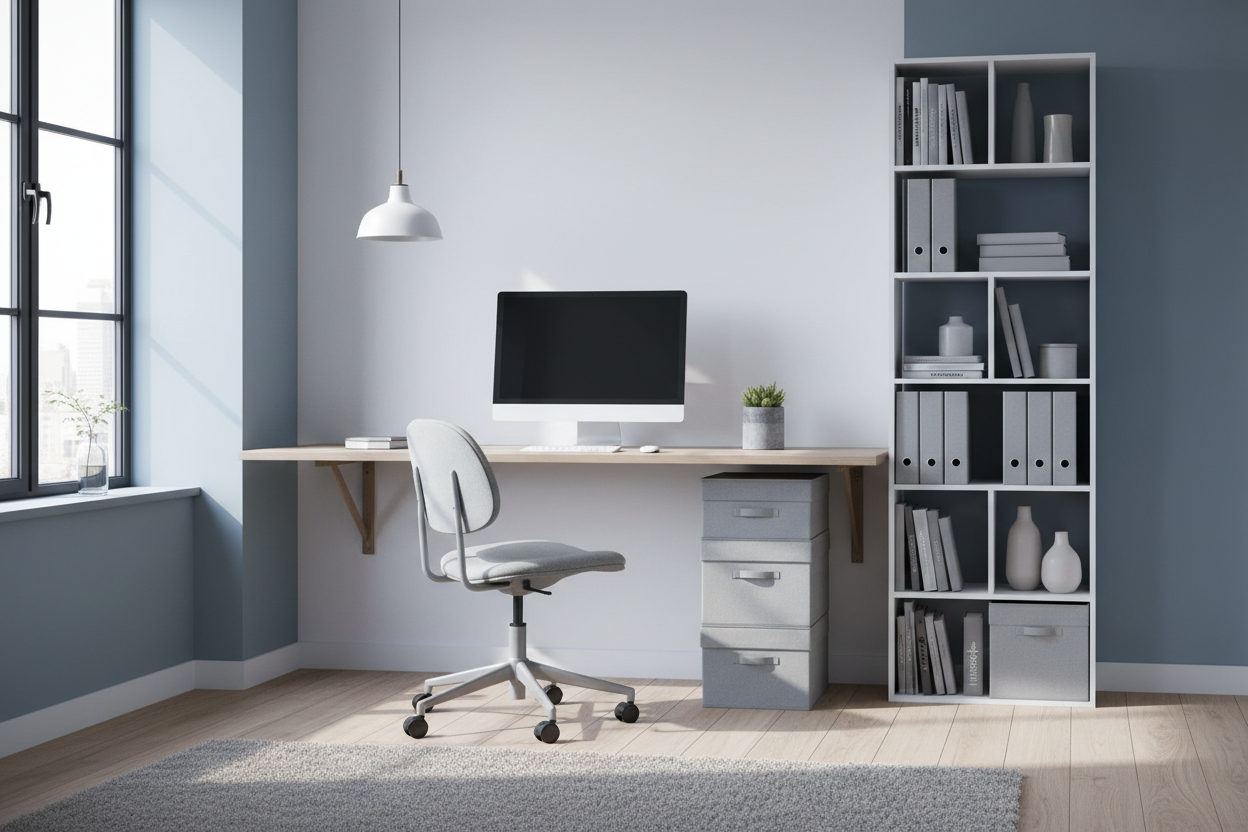
The silhouette must also match the room's volume. A heavy, dual-pedestal desk works well in a dedicated library, but for a multi-purpose room, you want desk units for home office setups that feature floating legs or open shelving to maintain a sense of airiness.
Functionality: Beyond the Surface
A beautiful desk that lacks utility is merely a sculpture. When sourcing a desk for work from home, consider your storage requirements realistically. Do you need deep file drawers, or has your workflow gone digital? I often recommend a work from home office desk with shallow "pencil drawers" for keeping essentials like tablets and notebooks accessible without cluttering the surface.
For those with limited square footage, an at home computer desk doesn't need to be massive. A writing desk with a 48-inch width is often sufficient for a laptop setup. If you have a specific corner in mind, searching for a study table nearby natural light sources can dictate the size constraints you must adhere to.
Integrating Tech into Home Furniture
Modern work from home computer desks must accommodate technology seamlessly. This is where many home desk office furniture designs fail. Look for pieces with built-in power strips or hidden channels. An at home work desk cluttered with wires ruins the visual calm necessary for productivity. If you are browsing home desk sales, always check the underside of the table; the hardware quality there often reveals the true value of the piece.
Space Planning and Layout
The placement of your work home desk is as critical as the piece itself. The most common mistake is facing a wall, which creates a claustrophobic energy. Whenever possible, position your home office desk and furniture to command the room—this is known as the "power position." If you must face a wall, ensure you have a home study desks setup with vertical shelving above to draw the eye upward.
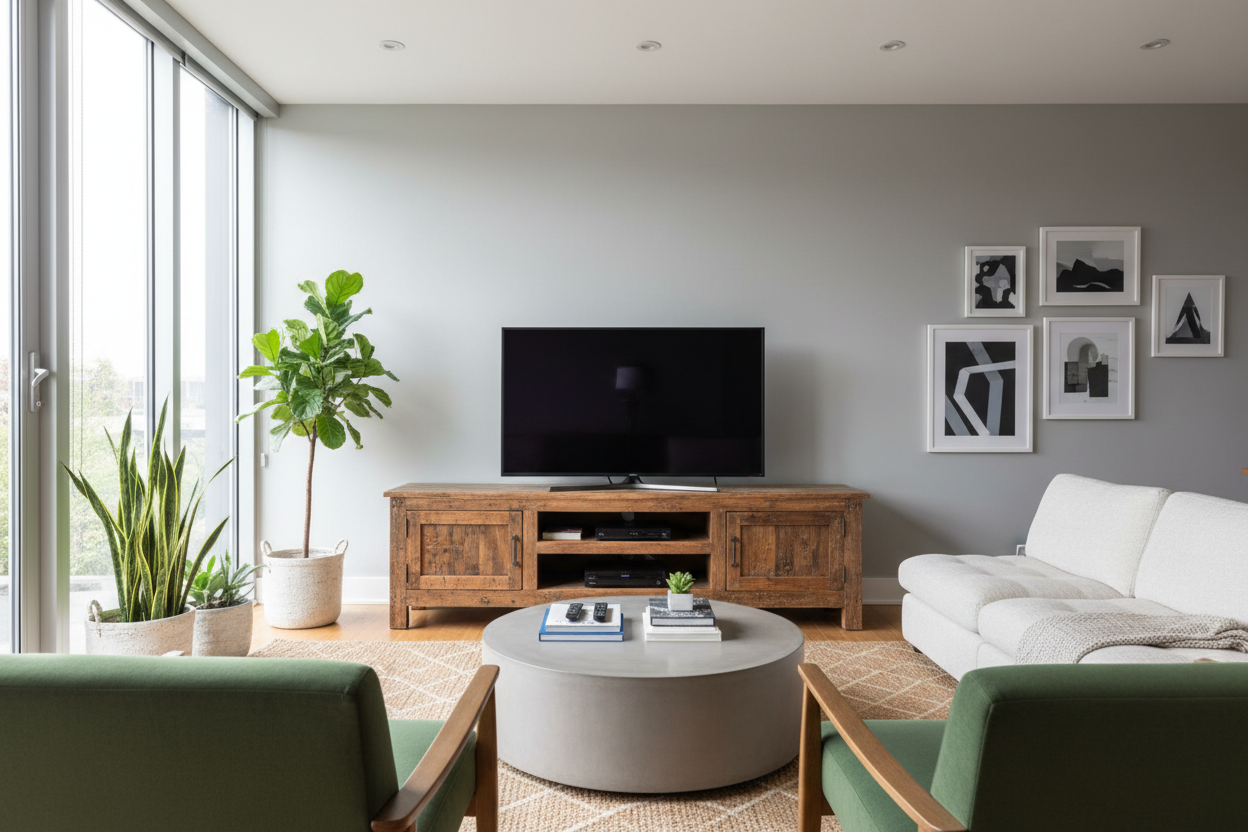
For flexible spaces, a table for work from home that doubles as a console can be a brilliant move. These desks work from home effectively during the day and can be styled with lamps and art in the evening to blend back into the residential aesthetic.
Lessons from My Own Projects
I want to share a specific realization from a recent project that changed how I specify work from desks. I once sourced a stunning, high-gloss lacquered writing desk for a client's at home store desk setup. It looked incredible in the showroom lighting.
However, within two weeks, the client called me. The issue wasn't the look—it was the tactile experience. The high-gloss finish was cold to the touch in the mornings and became sticky with humidity in the afternoon. Furthermore, every single fingerprint created visual noise that drove my client crazy. We ended up swapping it for a matte-finished rift-sawn oak table. The lesson? Always test the "touch" of a home office work table. You will be resting your wrists on it for eight hours a day; the sensory experience matters just as much as the visual one.
Conclusion
Investing in the right workspace furniture is an investment in your professional output and personal comfort. By prioritizing material quality, ergonomic dimensions, and thoughtful placement, you can transform a chaotic corner into a sanctuary of productivity. Don't settle for a makeshift surface; choose a piece that respects the design integrity of your home.
Frequently Asked Questions
How deep should a desk be for a multi-monitor setup?
For dual monitors, I recommend a depth of at least 30 inches. This prevents eye strain and leaves room for a keyboard and documents on your work from home table without feeling cramped.
What is the best material for a writing surface?
Leather-topped desks or smooth, matte wood finishes are ideal. They provide just enough drag for writing instruments and are warmer to the touch than glass or metal home working desk options.
How do I style a desk in a living room?
Treat it like a console table. When not in use, clear the tech and style it with a lamp and a stack of books. Choose a chair that looks like occasional furniture rather than a corporate task chair to blend your home desk office furniture into the living space.

Leave a comment
This site is protected by hCaptcha and the hCaptcha Privacy Policy and Terms of Service apply.