










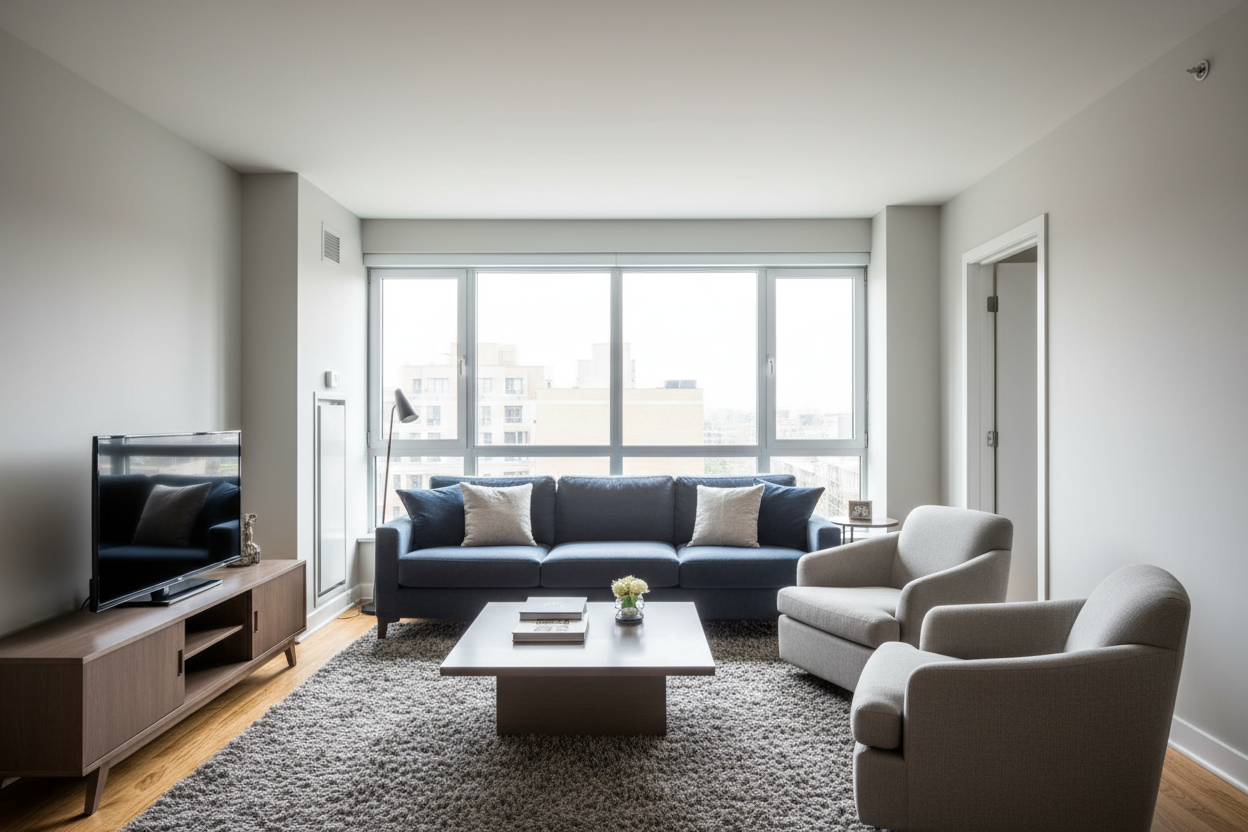
There is a distinct tension between desiring a plush, inviting lounge area and the reality of limited square footage. Many homeowners assume that compact rooms require miniature, uncomfortable pieces, but that is a design fallacy. The goal is not just to fit items into the room, but to curate a collection that manages visual weight and traffic flow effectively. In this guide, we will explore how selecting the right small living room furniture can actually trick the eye into perceiving more space than truly exists.
Quick Decision Guide: Key Features to Look For
- Visual Permeability: Opt for pieces with exposed legs, glass tops, or open frames to allow light and sightlines to pass through.
- Proportional Scale: Prioritize depth and height over width; a deep seat with a narrow footprint offers comfort without crowding.
- Multi-Functionality: Select ottomans with storage or nesting tables that can expand when guests arrive.
- Curved Silhouettes: Rounded edges on coffee tables and sofas improve flow and prevent knee-knocking in tight quarters.
- Material Durability: In small spaces, usage is concentrated; look for high rub-count fabrics like performance velvet or tight-weave linen.
Mastering Scale and Visual Weight
When sourcing furniture for small living space, the concept of "visual weight" is paramount. A solid oak block coffee table feels heavy and anchors the room aggressively, whereas a glass or acrylic table with a slender metal frame serves the same function but disappears visually. This creates negative space, which is the breath of a room.
Avoid the temptation to push all furniture against the walls. This creates a "bowling alley" effect that highlights the room's limitations. Instead, float your seating arrangement slightly off the wall. Even a three-inch gap can create a shadow line that suggests depth.
Material Selection: Durability Meets Aesthetics
Fabric and Upholstery
In a grand salon, a sofa might be used occasionally. In a small space living room furniture setup, that sofa is the epicenter of daily life. I always advise clients to look for performance fabrics. A light-colored boucle looks stunning and adds texture without color-clutter, but ensure it is treated for stain resistance. Darker hues recede visually, which can be useful, but they absorb light, so balance them with adequate ambient and task lighting.
Hard Goods and Finishes
Reflective surfaces are your best friend. Polished chrome, brass, or lacquered wood bounce light around the room. However, balance is key. If every piece is shiny, the room feels clinical. Mix a lucite coffee table with a matte, natural wood side table to ground the aesthetic.
Ergonomics and Flow for Families
Finding small family room furniture adds another layer of complexity: durability and safety. If you have active children or pets, sharp corners on a square coffee table are a liability in a tight thoroughfare. Opt for oval or round shapes. Furthermore, consider "slipper" style chairs (armless) as secondary seating. They reduce visual bulk and are easier to slip into from the side, which is crucial when your layout is tight.
My Personal Take on Small Living Room Furniture
I learned a hard lesson early in my career while designing a studio apartment in a historic downtown building. We sourced a stunning, mid-century modern loveseat that looked perfect on the floor plan. It had the right dimensions and a beautiful silhouette.
However, I neglected the "usage intensity" factor. Because the room was small, that loveseat was the only place to sit. Within six months, the seat cushions—which were filled with a soft down blend—looked perpetually frumpy and collapsed because they were being sat on in the exact same spot for hours every day. In a larger room, you shift around; in a small room, you don't. Since then, I always check the density of the foam core for small space projects. You need a high-resiliency foam wrapped in batting, not just down, to maintain the structure. Also, a practical note: always measure your elevator or stairwell diagonal clearance, not just the door frame. I once had to hire a specialist to saw the legs off a sofa and reattach them inside the unit—a costly mistake I won't repeat.
Conclusion
Designing a compact living area requires a shift in mindset from filling space to curating it. By prioritizing leggy silhouettes, durable materials, and smart layouts, you can create a room that feels sophisticated and airy. Remember, the most luxurious rooms are those that function effortlessly, regardless of their square footage.
Frequently Asked Questions
What is the ideal sofa depth for a small living room?
Standard sofas are often 40+ inches deep, which can overwhelm a small room. Look for "apartment size" or tailored profiles that are between 34 to 36 inches deep. This saves vital floor space while still providing adequate comfort for sitting upright.
Should I use small rugs to match the room size?
Contraintuitively, no. A small rug "chops up" the floor visually, making the room feel disjointed and smaller. Use a large area rug that fits under the front legs of all your seating furniture to anchor the zone and create an illusion of expansive floor space.
Can I use dark furniture in a small room?
Yes, but with intention. A dark charcoal or navy sofa can act as a stunning focal point. To prevent it from feeling like a black hole, pair it with lighter walls, a neutral rug, and glass or metallic accent tables to keep the overall atmosphere lifted.

Leave a comment
This site is protected by hCaptcha and the hCaptcha Privacy Policy and Terms of Service apply.