










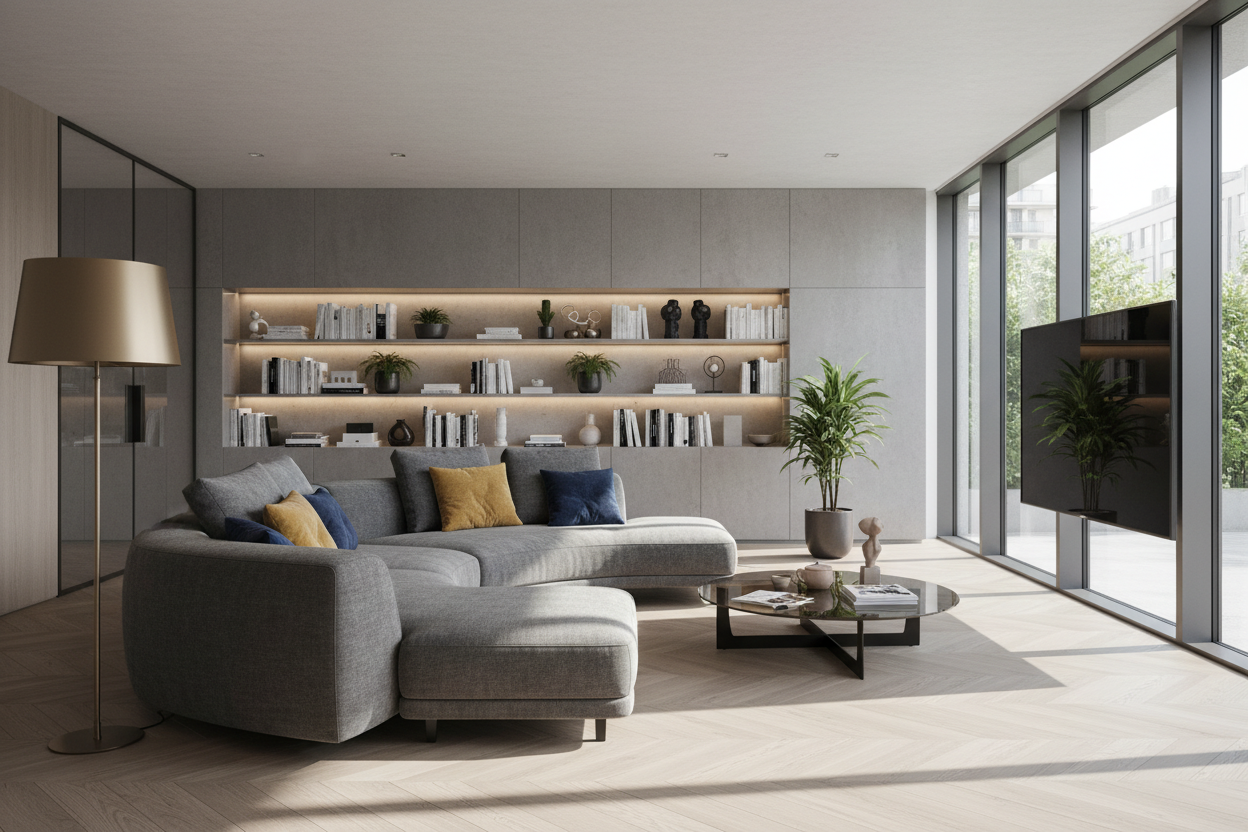
We have all walked into a workspace that feels more like a clinical waiting room than a place of innovation. The dilemma often lies in the rigidity of the furniture. You want a space that commands respect during video calls or client meetings, yet offers a reprieve for reading briefs or taking a mental break. Integrating a **couch office** setup is the sophisticated solution that bridges the gap between executive function and residential comfort. This guide will help you curate a piece that serves both your posture and your professional image.
Key Features to Look For
- Seat Height & Depth: Aim for a seat height of 17-19 inches and a moderate depth (20-22 inches) to ensure you can stand up gracefully without struggling.
- Fabric Durability: Look for commercial-grade textiles with a high Martindale rub count (20,000+) to withstand daily use.
- Structural Integrity: Kiln-dried hardwood frames prevent warping in climate-controlled office environments.
- Visual Weight: Choose legs that lift the frame off the floor to keep the room feeling spacious and airy.
Choosing the Right Material for the Office Environment
When selecting an office couch, the material dictates not just the aesthetic, but the longevity of the investment. Unlike a family room sofa, this piece generally needs to remain pristine with minimal maintenance.
Leather vs. Performance Fabrics
Top-grain leather is the gold standard for a couch for office room layouts. It conveys authority and ages beautifully, developing a patina that adds character over time. However, if your office tends to run warm or lacks climate control, leather can become uncomfortable. In those instances, I recommend a tight-weave performance linen or velvet. These offer a softer tactile experience while resisting pilling and staining.
Space Planning and Layout Dynamics
The placement of the office couch is just as critical as the piece itself. A common error is pushing the furniture flush against the wall, which creates a stagnant energy.
Creating a Conversational Zone
If space permits, float the sofa away from the wall. Anchor it with an area rug to define a distinct zone separate from your desk. This separation is psychological gold; it allows you to physically step away from the "work" zone to the "thinking" zone without leaving the room.
Scale and Proportion
For a smaller footprint, a loveseat or a settee is often superior to a full-sized sofa. A bulky couch for home office use can swallow the room, making the space feel claustrophobic rather than cozy. Ensure there is at least 30 inches of clearance for walkways around the furniture to maintain flow.
Visual Balance and Style
Your office room couch should complement your desk, not compete with it. If your desk is a heavy, dark mahogany executive style, balance it with a sofa that has cleaner lines and lighter upholstery. Conversely, if you have a minimalist glass or metal desk, a sofa with tufting or curves can add necessary warmth and texture to the environment.
Lessons from My Own Projects
I learned a hard lesson early in my career regarding seat fill. I once specified a gorgeous, deep, down-filled "cloud" style sofa for a boutique financial firm's waiting area. It looked incredible in the photos. However, the first time the CEO sat in it for a casual meeting, he sank so low that his knees were higher than his hips.
When he tried to stand up to shake a client's hand, it was a struggle—he had to rock back and forth to get momentum. It completely undermined his authority in that moment. Since then, I strictly advise clients that for an office setting, you need high-density foam with a firm coil spring system. You want to sit on the furniture, not in it. The goal is to remain alert and professional, even when relaxed.
Conclusion
Integrating soft seating into your workspace is more than a decor choice; it is an investment in your workflow and professional image. By focusing on firm ergonomics, durable materials, and proper scale, you can create a versatile environment that inspires productivity. It is time to elevate your office from a utility space to a design statement.
Frequently Asked Questions
How do I maintain a fabric couch in a high-traffic office?
For fabric upholstery, I recommend professional stain guarding immediately upon delivery. Weekly vacuuming with an upholstery attachment prevents dust from settling into the weave, which causes premature abrasion and dullness.
Can I use a sleeper sofa in my office?
Absolutely. A sleeper sofa is an excellent way to maximize utility, turning a workspace into a guest room. However, ensure the mechanism is high quality so the mattress weight doesn't cause the seat cushions to sag over time.
What is the best color for an office couch?
Neutral tones like charcoal, camel, or navy are timeless and hide minor wear well. If you want a pop of color, consider a deep forest green or burgundy, which adds depth without being visually distracting during work hours.

Leave a comment
This site is protected by hCaptcha and the hCaptcha Privacy Policy and Terms of Service apply.