










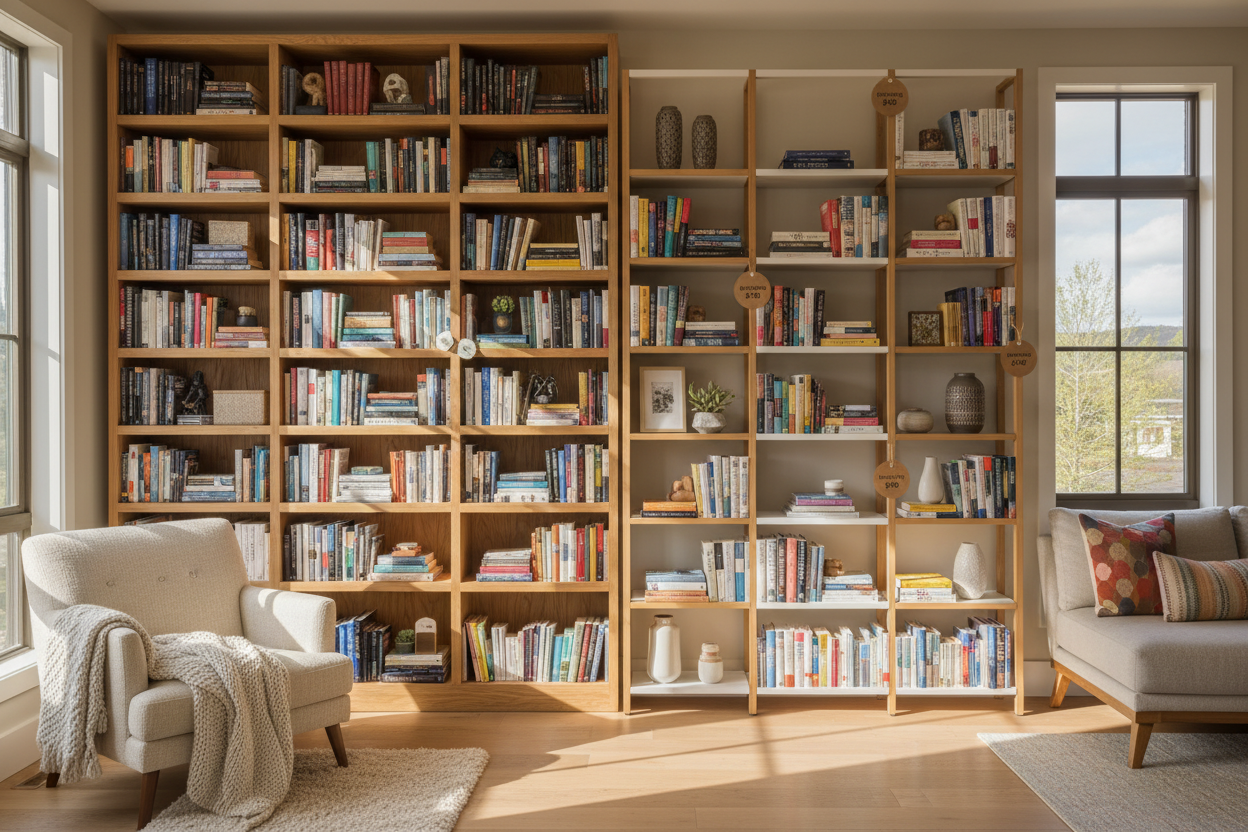
Shopping for the right bookshelf shouldn't feel like solving a puzzle, yet here we are. Whether you're looking for a bookshelf bookcase combo that fits your apartment's awkward corner or simply trying to find bookshelves online without getting overwhelmed by options, the process can be surprisingly frustrating. The good news? Once you know what to look for and where to buy bookshelf options that actually match your needs, everything gets easier.
Last year, I spent three weekends visiting furniture stores and scrolling through endless product pages trying to find book storage furniture for my home office. The experience taught me that most people approach this backward—they start with aesthetics when they should start with measurements and actual book-owning reality.
Understanding What You Actually Need
Before you buy book shelf online or rush to the nearest furniture store, grab a tape measure. That 38 inch wide bookshelf might look perfect in the product photo, but does it fit your wall space? Will a 3ft tall bookshelf accommodate your collection, or do you need something taller? These aren't exciting questions, but they'll save you from the headache of returns and wasted time.
The type of bookshelving you need depends entirely on your space constraints and collection size. A 4ft wide bookcase works beautifully in spacious living rooms but overwhelms smaller bedrooms. Meanwhile, individual bookshelves give you flexibility to arrange and rearrange as your collection grows, though they lack the cohesive look of matching book shelves.
Where to Buy Bookshelves That Won't Fall Apart
The question of where to buy bookshelf options comes down to three main categories: big-box retailers, specialty furniture stores, and online marketplaces. Each has advantages worth considering.
Big-box stores offer affordability and immediate availability. You can find a bookshelf under 30 dollars at many of these retailers, though quality varies wildly at that price point. These budget options work fine for temporary situations or light use, but don't expect them to support heavy hardcovers for years.
When you buy book shelves from specialty furniture retailers, you're paying for better materials and construction. A books cabinet online from these sources typically features solid wood or high-quality engineered wood rather than particle board. The difference becomes obvious after a few years of use—cheap shelves sag, while quality pieces maintain their shape.
The Online Shopping Advantage
Buying bookshelves to buy online opens up options you'll never find locally. Need a long shelf for books that spans an entire wall? Online retailers offer custom lengths. Looking for an a line bookshelf with a specific aesthetic? The selection online dwarfs what you'll find in physical stores.
The downside is obvious: you can't touch the product before purchasing. Reading reviews becomes essential. Pay attention to complaints about stability, assembly difficulty, and whether the finish matches the photos. When you buy book rack options online, look for detailed specifications including weight capacity per shelf—this matters more than most people realize.
Size Matters More Than You Think
Furniture for book storage comes in countless dimensions, and choosing the wrong size creates problems that aren't immediately obvious. A bookcase that's too tall makes upper shelves practically unusable unless you keep a step stool handy. Too short, and you're wasting valuable vertical space.
The sweet spot for many rooms is somewhere between a 3ft tall bookshelf and standard six-foot models. This range keeps books accessible while providing substantial storage. However, rooms with high ceilings can handle taller options, and sometimes going vertical makes more sense than spreading out horizontally.
Width presents different challenges. That 4ft wide bookcase might fit your wall perfectly, but can you actually get it through your doorway and up any stairs? Measure your entire path from delivery point to final location, including any tight corners. I learned this lesson the hard way when a beautiful bookcase arrived and wouldn't fit through my apartment building's stairwell.
The Bookcase or Shelves Debate
People often wonder whether they should choose a traditional bookcase or individual shelving units. A proper bookcase books display typically features a back panel and enclosed sides, creating a furniture piece that stands independently. This design offers stability and a finished look from all angles.
Individual bookshelving components, on the other hand, mount directly to walls or stack modularly. These systems excel in flexibility—you can reconfigure them as your needs change. Wall-mounted options also work better in earthquake-prone areas since they anchor directly to studs.
Home furniture shelves that combine both approaches exist too. Some bookcases feature removable backs or modular sections that let you customize the configuration. These hybrid designs cost more but offer the best of both worlds.
Book Stand Furniture for Specific Needs
Not every book storage solution needs to be a full bookcase. Book stand furniture serves specific purposes—displaying coffee table books, holding reference materials in offices, or creating visual interest on desks. These smaller pieces complement larger bookshelving rather than replacing it.
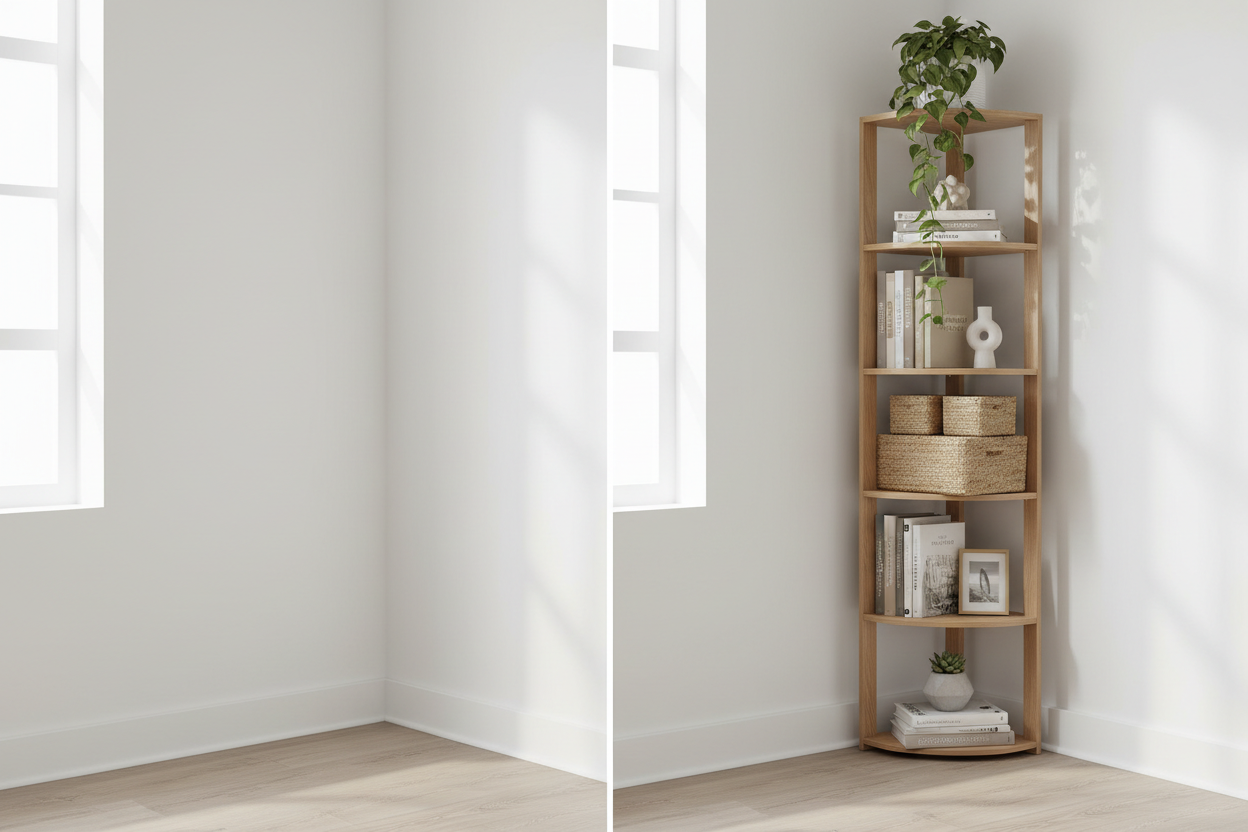
A books cabinet online search will reveal countless specialized options: rotating stands for cookbooks, angled displays for collectibles, and slim towers for tight spaces. The key is understanding what percentage of your collection needs special accommodation versus standard shelf storage.
Making Smart Purchasing Decisions
When you're ready to buy book shelves, resist the urge to purchase everything at once. Start with one quality piece and live with it for a while. You'll learn what works in your space and what doesn't. Maybe you discover you need matching book shelves for visual cohesion, or perhaps a mix of styles creates the eclectic look you prefer.
Budget matters, but so does longevity. A bookshelf under 30 dollars might seem like a bargain until you replace it twice in five years. Meanwhile, a $200 solid wood bookcase can last decades. Calculate the cost per year of use rather than just the upfront price.
Consider assembly requirements too. Some people enjoy putting furniture together; others find it infuriating. If you fall into the latter category, look for pre-assembled options or factor professional assembly costs into your budget. The time and frustration saved might be worth the extra expense.
Maximizing Your Book Storage
Once you've selected and purchased your furniture for book storage, arrangement strategies matter. Don't just stack books spine-out in rows. Mix horizontal and vertical stacking to create visual interest and accommodate oversized volumes. Leave some breathing room—packed shelves look cluttered and make finding specific titles harder.
A long shelf for books spanning an entire wall becomes a design statement when you organize thoughtfully. Some people arrange by color, others by genre or author. There's no wrong approach as long as you can find what you need. I organize fiction alphabetically by author and nonfiction by subject, with a separate section for books I haven't read yet—my perpetual "to-read" pile that somehow keeps growing.
The reality is that book collections expand over time. When choosing bookshelves to buy, think ahead. Will this system accommodate growth, or will you need to buy book rack additions in a year? Modular systems cost more initially but save money long-term by adapting to changing needs.
Frequently Asked Questions
How much weight can a typical bookshelf hold?
Most quality bookshelves support 30-50 pounds per shelf, though this varies significantly based on construction and materials. Always check the manufacturer's specifications, and remember that books are surprisingly heavy—a single shelf of hardcovers can easily exceed 40 pounds. Distribute weight evenly and place heavier items on lower shelves for stability.
Should I anchor my bookshelf to the wall?
Yes, especially if you have children, pets, or live in an area with seismic activity. Even stable-looking bookcases can tip forward when fully loaded if someone climbs on them or pulls on upper shelves. Most furniture comes with wall anchors, and installation takes just a few minutes but prevents serious accidents.
What's the ideal shelf depth for standard books?
Most books fit comfortably on shelves 10-12 inches deep. Shallower shelves (8-9 inches) work for paperbacks and mass-market editions, while deeper shelves (13-15 inches) accommodate oversized art books and textbooks. If you're buying a multi-purpose bookcase, 11-inch depth offers the best versatility for mixed collections.

Leave a comment
This site is protected by hCaptcha and the hCaptcha Privacy Policy and Terms of Service apply.