










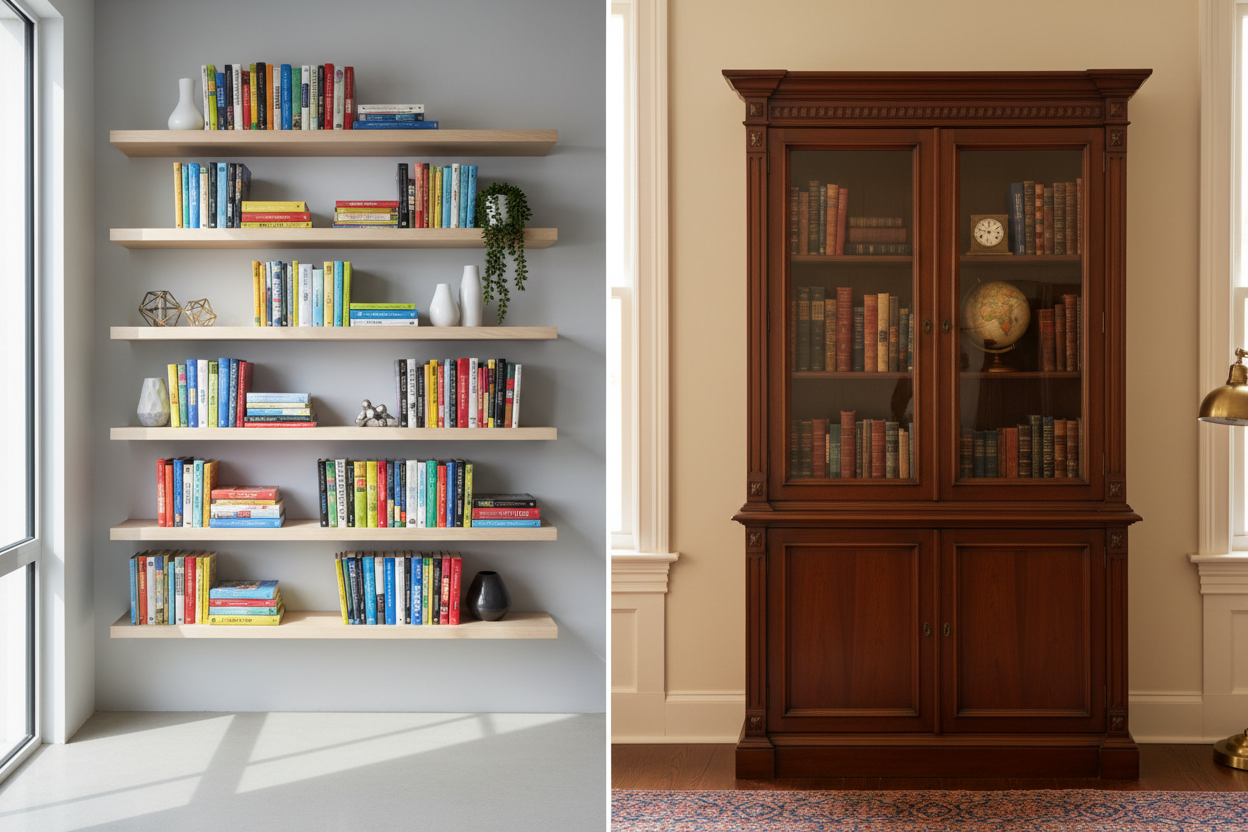
The correct spelling is cabinet: C-A-B-I-N-E-T. This seven-letter word contains two syllables (cab-i-net) and follows standard English spelling patterns, though its pronunciation sometimes causes confusion about how to spell cabinet correctly.
If you've ever hesitated while typing this word, you're not alone. The spelling of cabinet catches many people off guard, particularly because the way we say it doesn't always match what we expect to write. The middle vowel sound can be tricky—some pronounce it with a clear "i" sound, while others soften it to almost an "uh" sound, making the correct letter choice less obvious.
Why Cabinet Spelling Causes Confusion
The pronunciation varies depending on regional accents and speaking speed. When someone says "CAB-net" quickly, dropping that middle syllable almost entirely, it becomes harder to remember that there's an "i" sitting between the "b" and the "n." This is a common phenomenon in English where unstressed syllables get reduced in casual speech.
Another source of confusion comes from similar-sounding words. People sometimes mix up cabinet with words like "cabernet" (the wine) or wonder if there should be two "t"s at the end, influenced by words like "tablet" or "blanket." The French origin of the word doesn't help either—English borrowed "cabinet" from French, where spelling rules work differently.
Breaking Down the Letters
Let me share something from my own writing experience: I used to work in furniture retail, and you'd be surprised how many internal documents and customer emails misspelled this basic term. Even professional writers would sometimes type "cabinent" or "cabnit" in first drafts. The key is understanding the word's structure.
The word breaks into clear parts: "cab" + "i" + "net." The first syllable "cab" is straightforward—like the vehicle. The second syllable contains just the letter "i," which gets the short vowel sound. The final syllable "net" completes the word. When you think of it as three distinct pieces, the spelling becomes much more manageable.
Common Misspellings to Avoid
Here are the mistakes people make most often when trying to spell cabinet:
Cabinent — Adding an extra "i" before the final "t" is probably the most frequent error. This happens because people pronounce the word with emphasis on different syllables, sometimes hearing an extra vowel sound that isn't there.
Cabnit — Dropping the middle "i" entirely creates this version. Since that vowel often gets swallowed in fast speech, some writers assume it doesn't exist in the written form.
Cabnet — Similar to above, this removes the "i" but keeps the structure otherwise intact.
Cabinett — Doubling the final "t" is less common but still appears, possibly influenced by Germanic or French spelling patterns where double consonants are more prevalent.
Memory Tricks That Actually Work
Think about what a cabinet does: it's a space in your kitchen or office. That "in" sound in the middle can remind you of the "i" that belongs there. A cabinet is something you put things in, so the letter "i" naturally fits in the middle of the word.
Another approach is to visualize the word as "cab-i-net" with hyphens. Taxi cabs don't have an "i" after them, but this word does. The "i" acts as a bridge between "cab" and "net," connecting two simple English words into one.
You might also connect it to related words like "cabinetry" or "cabinetmaker." Once you know how to spell cabinet, these extensions follow the same pattern, reinforcing the correct spelling in your memory.
Context Matters
Understanding where you'll use the word helps cement the spelling. A cabinet can be a piece of furniture with doors and shelves, a group of senior government officials (like the President's Cabinet), or a private room for consultations. Despite these different meanings, the spelling never changes.
In government contexts, you'll see it capitalized ("the Cabinet met today"), but the letters remain the same. In furniture and design writing, it appears constantly—kitchen cabinets, filing cabinets, medicine cabinets, display cabinets. Getting comfortable with the spelling means you can write confidently across any of these contexts.
Quick Spelling Check
When you're unsure whether you've spelled cabinet correctly, here's a fast verification method: count the letters. There should be exactly seven. If you have six or eight, something's wrong. Check that middle section—there should be only one "i" between the "b" and the "n," and only one "t" at the end.
The vowel pattern is also worth noting: A-I-E. Three vowels, all different, in that specific order. If you've written two of the same vowel or put them in a different sequence, you've likely made an error.
Building Confidence
The more you write the word correctly, the more automatic it becomes. Unlike some English words that seem to defy all logic (looking at you, "colonel"), cabinet follows predictable patterns. There are no silent letters doing unexpected things, no bizarre letter combinations that appear nowhere else in English.
Practice writing it in sentences: "The cabinet door won't close." "She organized the filing cabinet." "The cabinet approved the new policy." Repetition in context builds muscle memory, and soon you won't need to pause and think about how do you spell cabinet—your fingers will just know.
The spelling might seem tricky at first glance, but it's actually one of the more logical words in English once you break it down. Seven letters, three syllables when spoken carefully, and a clear structure that makes sense when you examine it closely.
FAQ
Is there a difference between "cabinet" and "cabinets" in spelling?
The plural form simply adds an "s" to the end: cabinets (C-A-B-I-N-E-T-S). All the same spelling rules apply to the base word, and you don't change any letters when making it plural. The same middle "i" stays in place, and you still have just one "t" before adding the "s."
Why do some people pronounce cabinet differently?
Regional accents and speech patterns affect how people say cabinet, with some emphasizing all three syllables (CAB-i-NET) and others reducing it to two (CAB-net). This pronunciation variation is why the spelling confuses people—the spoken word doesn't always clearly indicate that middle "i." Regardless of how it's pronounced, the written spelling remains consistent.
Are there any words that rhyme with cabinet that might help me remember the spelling?
Perfect rhymes for cabinet are rare in English, which actually makes it more distinctive. Words like "habitat" or "magnet" have similar ending sounds but different spelling patterns. The uniqueness of cabinet means you can't rely on rhyming words for spelling help—you need to memorize this particular combination of letters on its own terms.



Leave a comment
This site is protected by hCaptcha and the hCaptcha Privacy Policy and Terms of Service apply.