










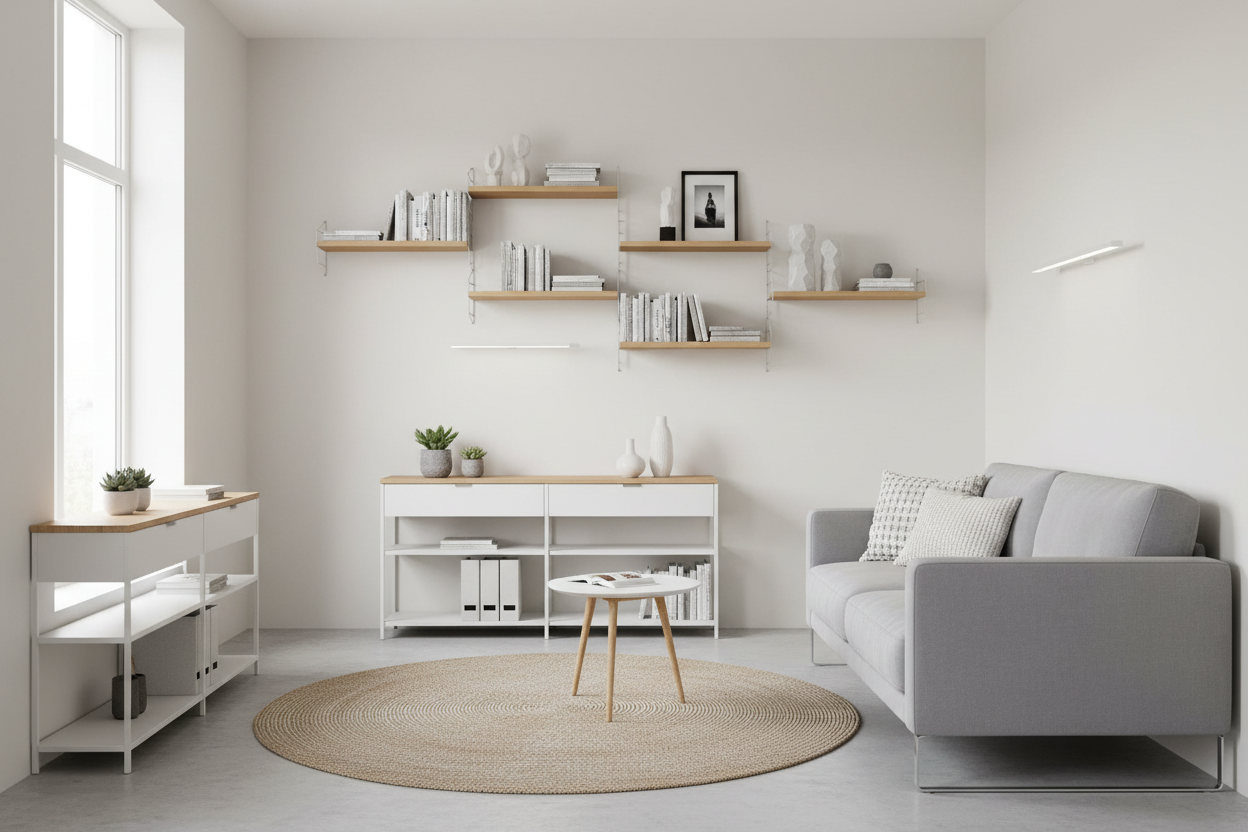
Living in a small apartment taught me that not all furniture needs to take up half the room to be useful. A narrow rectangle side table became my secret weapon for adding surface space without sacrificing precious floor area. These slender pieces fit into spots where traditional tables simply can't go—beside sofas pushed against walls, in tight hallways, or flanking beds in cozy bedrooms.
The beauty of a skinny rectangular side table lies in its versatility. Mine measures just 8 inches deep but stretches 24 inches long, creating enough surface area for a lamp, my morning coffee, and a small stack of books. Before I discovered this furniture style, I was constantly reaching over armrests or getting up to grab my phone. Now everything I need sits within arm's reach without creating that cluttered, overcrowded feeling that wider tables bring to small spaces.
Why Shape Matters More Than You Think
The rectangular profile isn't just about saving space. Unlike round or square tables that require clearance on all sides, a narrow rectangular end table can slide right up against walls, sofas, or beds. This creates a seamless look that makes rooms feel larger rather than chopped up into smaller sections. The elongated shape also provides better stability for taller items like lamps or vases compared to small circular tables that tend to feel top-heavy.
I've noticed that the rectangular format naturally guides how you arrange items on top. The length encourages a pleasing horizontal display rather than the jumbled pile that often accumulates on square tables. You can create intentional zones along the surface—one end for lighting, the middle for decorative items, and the far end for practical things like remotes or coasters.
Finding the Right Dimensions for Your Space
Most narrow rectangle side tables range from 6 to 12 inches in depth. The sweet spot depends on what you plan to place on top and where it will live. A 6-8 inch depth works beautifully in hallways or behind sofas where you only need room for decorative items or a small lamp. If you're planning to use it as a functional workspace for laptops or dining, aim for 10-12 inches to provide adequate surface area.
Length varies more dramatically, from compact 18-inch models to sprawling 48-inch console-style pieces. Consider the furniture it will sit beside. A table that's roughly two-thirds the length of your sofa creates visual balance without overwhelming the space. For bedside use, matching the table length to your mattress height creates a cohesive look.
Material Choices That Make a Difference
Wood remains the most popular choice, offering warmth and durability that improves with age. I went with a solid oak narrow rectangular end table that's survived three moves and countless coffee spills. The natural grain adds character that laminate simply can't match, though quality wood does command higher prices.
Metal and glass combinations work wonderfully in modern spaces, creating an airy feeling that prevents narrow tables from looking too chunky. The transparency of glass tabletops makes small rooms feel more open, while metal frames add industrial charm. These materials are also easier to clean than wood, which matters if you're using the table in high-traffic areas.
For budget-conscious shoppers, engineered wood offers decent quality at accessible prices. Look for pieces with solid wood frames and veneered tops rather than particle board throughout. The extra investment in better construction means your table won't wobble or sag after a few months of use.
Styling Without Overcrowding
The narrow profile means you need to be selective about what goes on top. I learned this the hard way after cramming too many items onto my first skinny rectangular side table and creating a miniature disaster zone. The rule I follow now: pick three categories of items maximum. Mine holds a lamp (lighting), a small plant (life and color), and a catchall tray for everyday items.
Vertical space becomes your friend with narrow tables. A tall lamp draws the eye upward and provides necessary lighting without eating up precious surface area. Wall-mounted shelves above the table create additional storage while maintaining the slim footprint that makes these tables so practical.
Placement Ideas Beyond the Obvious
While most people think of placing these tables beside sofas or beds, they shine in unexpected locations too. I've used a narrow rectangle side table as a makeshift bar cart in my dining area, a plant stand in a sunny corner, and even as a slim desk in my home office when paired with a stool.
Behind a sofa that floats in the middle of a room, these tables create a natural divider between living and dining spaces. The narrow depth means you're not losing much floor space, but you gain a practical surface for table lamps that illuminate both sides of the room. This setup works especially well in studio apartments where defining separate zones matters.
Hallways and entryways benefit enormously from skinny rectangular side tables. They provide a landing spot for keys and mail without creating an obstacle course. Add a mirror above and you've created a functional checkpoint before heading out the door.
What to Look for When Shopping
Stability matters more than you might expect with narrow furniture. Before buying, check that the table has a lower shelf or cross-bracing between the legs. This prevents wobbling and provides bonus storage space. I once bought a beautiful narrow table that looked perfect but tipped over when my cat jumped onto it. The replacement has a solid lower shelf and hasn't budged since.
Pay attention to leg placement. Tables with legs set slightly inward from the corners tend to be more stable than those with legs at the very edges. This seems counterintuitive but creates a sturdier base that's less likely to tip when weight is placed near the edges.
Assembly requirements vary wildly. Some narrow rectangular end tables arrive fully assembled, while others require an hour of frustration with an Allen wrench. Read reviews specifically mentioning assembly difficulty if you're not confident with furniture construction. Pre-assembled options cost slightly more but save considerable time and potential headaches.
Frequently Asked Questions
How narrow is too narrow for a side table?
Anything less than 6 inches deep becomes more decorative than functional, though these ultra-slim options work well as plant stands or display surfaces. For everyday use beside furniture, aim for at least 7-8 inches to accommodate a lamp base and a drink without items hanging over the edge.
Can a narrow rectangle side table replace a nightstand?
Absolutely, and they often work better in small bedrooms where traditional nightstands feel too bulky. Just make sure the table height aligns with your mattress top (within a few inches) for comfortable reaching. The rectangular shape provides more surface area than round tables of similar depth, giving you room for essentials like a phone, water glass, and reading material.
What's the best way to keep items from falling off a narrow table?
Use trays or small boxes to corral loose items and create defined zones on the surface. This prevents things from migrating to the edges where they're more likely to get knocked off. Placing your tallest item (usually a lamp) toward the back against the wall also creates a visual barrier that helps keep everything contained.


Leave a comment
This site is protected by hCaptcha and the hCaptcha Privacy Policy and Terms of Service apply.