










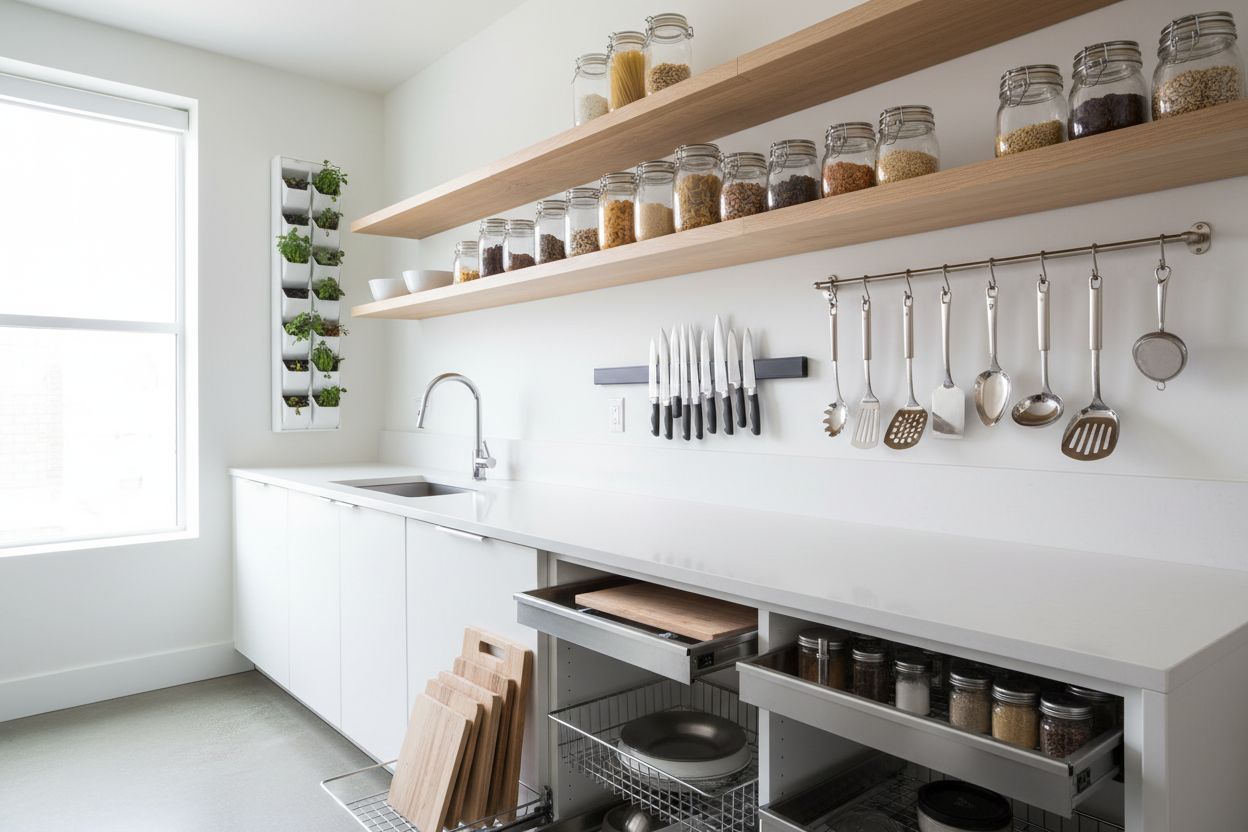
A cabinet with table top solves one of the most frustrating problems in small homes: the constant battle between needing storage and needing workspace. These dual-purpose pieces give you enclosed storage below while providing a functional surface above, making them perfect for kitchens, home offices, bathrooms, and craft rooms where every square inch counts.
The beauty of a tabletop cabinet lies in its versatility. Unlike traditional cabinets that mount on walls or sit flush against them, these units function as standalone furniture pieces. You can place them anywhere you need both storage and a working surface, from holding your coffee maker and mugs in a breakfast nook to organizing art supplies while providing a surface for projects.
What Makes Tabletop Storage Cabinets Different
Table top cabinets come in configurations that match different organizational needs. The most common types include models with doors, drawers, or a combination of both. A storage cabinet with table top typically stands between counter height and desk height, making the surface accessible for various tasks while keeping stored items at a convenient level.
I discovered the value of these pieces when I moved into a studio apartment three years ago. My kitchen had minimal counter space, and I needed somewhere to prep meals without cluttering my tiny dining table. A tabletop storage cabinet became my solution—the surface held my cutting board and ingredients while I worked, and the enclosed space below kept my pots, mixing bowls, and baking sheets organized and dust-free.
Choosing Between Doors and Drawers
A table top cabinet with doors offers the advantage of adjustable shelving inside, letting you customize the interior for taller items like bottles, small appliances, or stacks of linens. The doors hide clutter effectively, creating a cleaner visual appearance in your space. Many people prefer a tabletop cabinet with doors for bathrooms or bedrooms where they want to conceal personal items completely.
Meanwhile, a table top cabinet with drawers provides easier access to frequently used items. You can organize smaller objects in separate compartments without them getting lost in the back of a deep shelf. A tabletop cabinet with drawers works particularly well in home offices for storing stationery, cables, and documents, or in kitchens for utensils, dish towels, and spices.
Size Considerations for Different Spaces
Not every room can accommodate a full-size unit. A small tabletop cabinet fits perfectly in tight corners, narrow hallways, or beside beds where you need just a bit of storage and surface area. These compact versions often measure 24 inches wide or less, making them ideal for apartments and dorm rooms.
For really limited spaces, a mini tabletop cabinet provides essential storage in the smallest footprint possible. These petite pieces work wonderfully on existing counters or desks, adding a second tier of storage without consuming floor space. I've seen them used brilliantly in RVs and tiny homes where vertical organization makes all the difference.
A small tabletop cabinet with doors maintains the concealed storage benefit while fitting into tighter areas. The compact size doesn't mean sacrificing functionality—many models include one or two shelves inside, providing surprising storage capacity for their dimensions.
Kitchen-Specific Applications
The tabletop cabinet for kitchen use has become increasingly popular as more people embrace open shelving and minimalist design but still need concealed storage for less attractive items. These cabinets can hold everything from small appliances you use occasionally to pantry overflow, all while providing an additional prep surface.
A small tabletop storage cabinet works particularly well in kitchens as a coffee or tea station. The top surface holds your machine and mugs, while the interior stores coffee beans, filters, sugar, and other supplies. This creates a dedicated beverage area that keeps your main counters clear for cooking.
Tabletop cabinet storage in kitchens also serves as a mobile island alternative. Unlike built-in islands, you can reposition these units as your needs change, moving them closer to the stove during meal prep or against a wall when you need more floor space for entertaining.
Beyond the Kitchen
Table top storage cabinets shine in home offices, especially for people who work from home but lack a dedicated workspace. The surface accommodates a laptop, monitor, or paperwork, while the storage below keeps office supplies organized. This setup creates a defined work zone even in a corner of a bedroom or living room.
Bathrooms benefit enormously from a cupboard with table top functionality. The surface can hold everyday items like soap dispensers, toothbrush holders, and decorative elements, while towels, toiletries, and cleaning supplies stay hidden inside. This arrangement keeps bathrooms looking spa-like rather than cluttered.
Craft enthusiasts and hobbyists find these cabinets invaluable. The tabletop provides workspace for current projects, while supplies, tools, and materials stay organized in the storage area below. You can wheel certain models with casters from room to room, bringing your entire creative station wherever inspiration strikes.
Material and Style Options
Modern table top cabinets come in materials ranging from solid wood to engineered wood, metal, and even bamboo. Wood options offer warmth and traditional appeal, fitting seamlessly into classic or farmhouse-style homes. Metal cabinets bring industrial charm and exceptional durability, perfect for garages, workshops, or contemporary spaces.
The finish you choose affects both aesthetics and maintenance. White or light-colored cabinets brighten small spaces and coordinate with most decor schemes. Dark finishes like espresso or black walnut add sophistication and hide wear better in high-traffic areas. Natural wood finishes showcase grain patterns and bring organic texture to your room.
Installation and Placement Tips
Most tabletop storage cabinets require minimal assembly—typically just attaching legs or installing shelves and doors. Unlike wall-mounted cabinets that need precise measurements and strong anchoring, these freestanding units simply need a level surface.
Placement matters more than you might think. Position your cabinet where you'll actually use both the surface and storage regularly. Putting a kitchen cabinet too far from your main work area means you won't use it effectively. Similarly, a bathroom cabinet works best within arm's reach of where you get ready each morning.
Consider traffic flow before finalizing placement. Leave enough clearance for doors to open fully and for people to move comfortably around the unit. In narrow spaces, sliding doors or drawers might work better than traditional swing-out doors.
Maximizing Your Cabinet's Potential
Once you have your cabinet in place, smart organization multiplies its usefulness. Use bins, baskets, or drawer dividers inside to prevent items from becoming jumbled. Label containers if multiple family members will access the storage, reducing the chances of things getting misplaced.
The top surface shouldn't become a catch-all for clutter. Treat it like any other workspace—keep only what you use regularly on display, and store everything else inside. This discipline maintains both the cabinet's functionality and your room's overall appearance.
Regular decluttering keeps your tabletop cabinet from becoming overstuffed. Every few months, remove everything from inside, wipe down the shelves, and honestly assess whether you still need each item. This practice ensures your cabinet continues serving you well rather than becoming another storage problem.

Leave a comment
This site is protected by hCaptcha and the hCaptcha Privacy Policy and Terms of Service apply.