










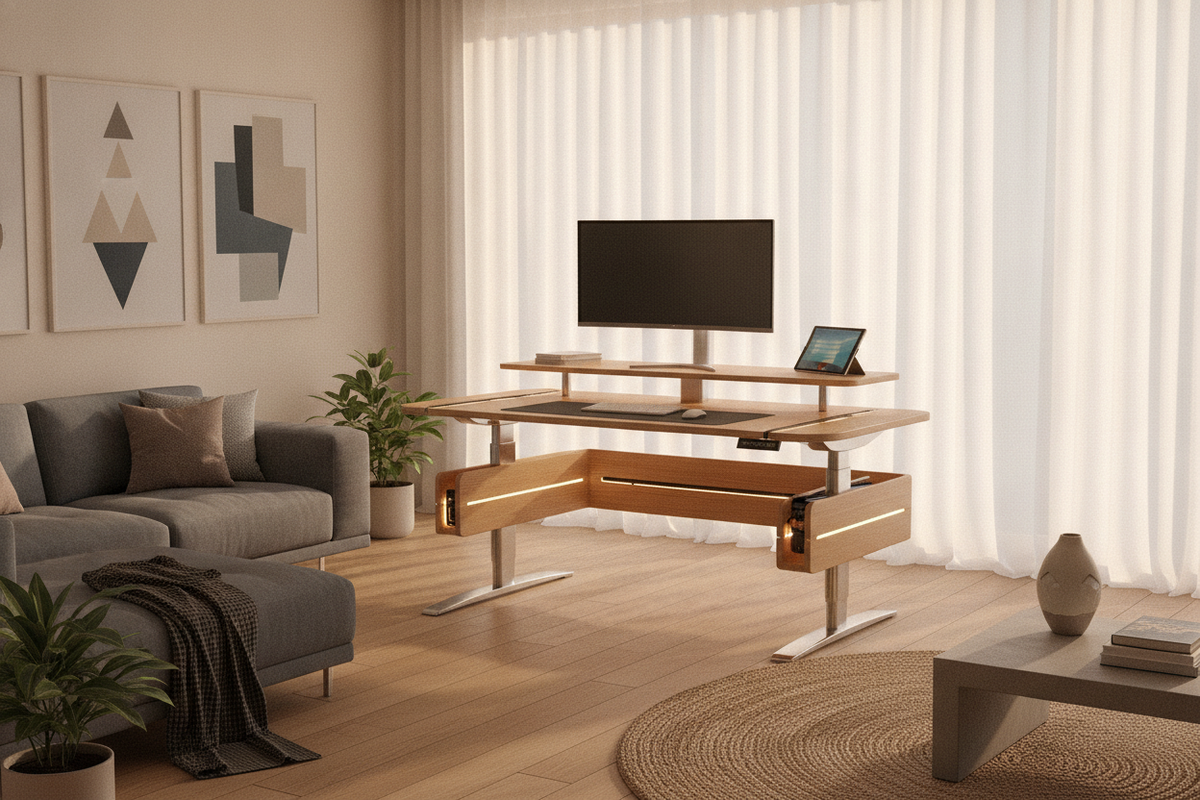
Designing an adaptable home office starts with understanding how physical surfaces respond to daily workflow demands. A high-performance computer workstation stand up environment requires more than simply raising screens to eye level; it relies on balanced mechanical geometry, intentional spatial zoning, and stable structural foundations. Whether you are reconfiguring a dedicated home study, outfitting a multi-functional guest alcove, or upgrading a corporate workstation, aligning your desk architecture with practical daily tasks ensures lasting comfort and aesthetic continuity.
Foundational Form Factors: Full Desks vs. Desktop Workstations
When planning dynamic work zones, the first fundamental decision centers on choosing between an integrated, full-frame standing computer desks workstation and an adaptable desktop standing computer workstation converter. Each structural style addresses distinct spatial parameters, existing furniture investments, and load distributions.
- Dedicated Full-Frame Desks: A standalone sitting standing computer workstation replaces conventional static desks with an integrated structural frame. These units offer expansive under-desk knee clearance, uniform elevation across the entire working plane, and superior stability when supporting multi-display arrays, heavy desktop towers, and mounted accessories.
- Desktop Converter Platforms: A compact converter sits directly on an existing tabletop surface. This approach suits spaces where preserving an established credenza or traditional workstation is essential. For detailed styling approaches on risers, explore our standing desk converter guide.
- Companion Table Integrations: Placing a tabletop converter over an expansive surface from a curated writing computer desk collection provides a practical hybrid solution, allowing users to preserve ample side staging space for notebooks, reference binders, and decorative lighting.
Evaluating your base requirements helps identify whether a full sit or stand workstation replacement or a layered ergonomic table top desk modification best fits your floor plan.
Dimensional Sizing Tiers and Spatial Footprint Planning
Spatial geometry dictates both the mechanical stability of an elevated surface and the overall flow of the surrounding room. Matching the workstation scale to room volume prevents visual crowding while ensuring sufficient area for essential hardware.
In compact alcoves, apartment corners, and shared living areas, streamlined surface footprints maintain open pathways while supporting a clean laptop-and-monitor arrangement. Multi-use environments benefit from adaptable furniture pieces, such as an adjustable height versatile desk, which demonstrate how dynamic height adjustment can serve varied functional roles without overwhelming tighter floor plans.
For dedicated home offices requiring multiple ultrawide monitors, studio audio interfaces, and extensive peripheral docks, wide-span profiles provide the necessary spatial margin. Selecting an expansive option like a height adjustable standing desk provides robust surface area to spread out documents, separate primary input zones from staging trays, and anchor heavy dual-arm monitor clamps without compromising structural balance during height shifts.
Surface Geometry and Elevation Architectures
The layout of working planes directly influences posture, wrist alignment, and visual comfort during transitions across a height adjustable sit stand workstation. Key architectural variations include:
- Single-Tier Continuous Tops: A continuous adjustable height table top provides a level, uninterrupted plane suitable for mixed-use tasks, including sketching, precision hardware assembly, and digital drafting. Users can fine-tune monitor and keyboard heights independently using dynamic monitor mounting arms.
- Dual-Tier Stepped Platforms: Often integrated into converter designs, dual-tier surfaces position the keyboard and mouse lower than the display deck. This configuration promotes relaxed shoulders and neutral wrist angles without requiring secondary riser accessories.
- Mechanical Elevation Systems: The core drive system of an adjustable table top standing desk dictates motion smoothness. Motorized dual-motor columns offer quiet, continuous vertical travel under substantial hardware loads, while pneumatic counter-balance and gas-spring systems enable swift, manual positioning in compact setups.
- Lifting Arm Geometries: Desktop units generally use scissor-lift or forward-cantilever linkages. Scissor frames elevate within their own footprint to save space, whereas cantilever mechanisms arc slightly outward toward the user, requiring adequate clearance behind the primary chair.
Selecting the right elevation mechanics ensures your ergonomic standing computer workstation transitions seamlessly throughout the working day.
Material Substrates, Frame Resiliency, and Load Architecture
Structural stability during typing, writing, and height adjustment depends heavily on core material selection and frame engineering. Elevated surfaces experience magnified rotational torque, making component quality paramount for a durable desk stand up work station.
Worktop substrates made from high-density engineered wood cores, durable high-pressure laminates, and sustainably sourced hardwoods offer high flexural strength, resisting surface deflection under concentrated clamp loads. Scratch-resistant matte textured finishes also minimize glare from overhead task lighting while protecting edges against everyday abrasion.
Beneath the surface, heavy-gauge steel leg columns with dual-stage or three-stage telescopic nesting provide lateral stiffness. Structural crossbeams and wide footings distribute dynamic forces evenly across hard floors and low-pile carpets alike. Proper load distribution also relies on structured under-desk cable articulation channels, flexible spine tracks, and anchored surge distribution modules that prevent cord snagging as the workstation cycles between seated and standing elevations.
Room Integration, Storage Synergy, and Workflow Optimization
A dynamic desk should integrate harmoniously with surrounding cabinetry, wall storage, and interior circulation paths. Because a sit-stand desk moves along a vertical axis, room planning requires perimeter spacing that accommodates movement without scuffing wall paint or snagging nearby window treatments.
Maintaining a slight wall standoff margin allows monitor mounts and rear cable harnesses to travel freely. For spaces that require discreet equipment management when the workday ends, pairing an active desk with a concealed computer desk layout or adjacent low-profile storage credenzas keeps accessories organized and out of sight.
Complementing your workstation with mobile under-desk drawer pedestals, floating shelving placed above peak standing height, and dedicated power management tracks produces a clean, cohesive work environment. By harmonizing elevation mechanics, dimensional footprints, and storage architecture, your workstation becomes an inspiring, enduring foundation for productive daily work.


Leave a comment
This site is protected by hCaptcha and the hCaptcha Privacy Policy and Terms of Service apply.