










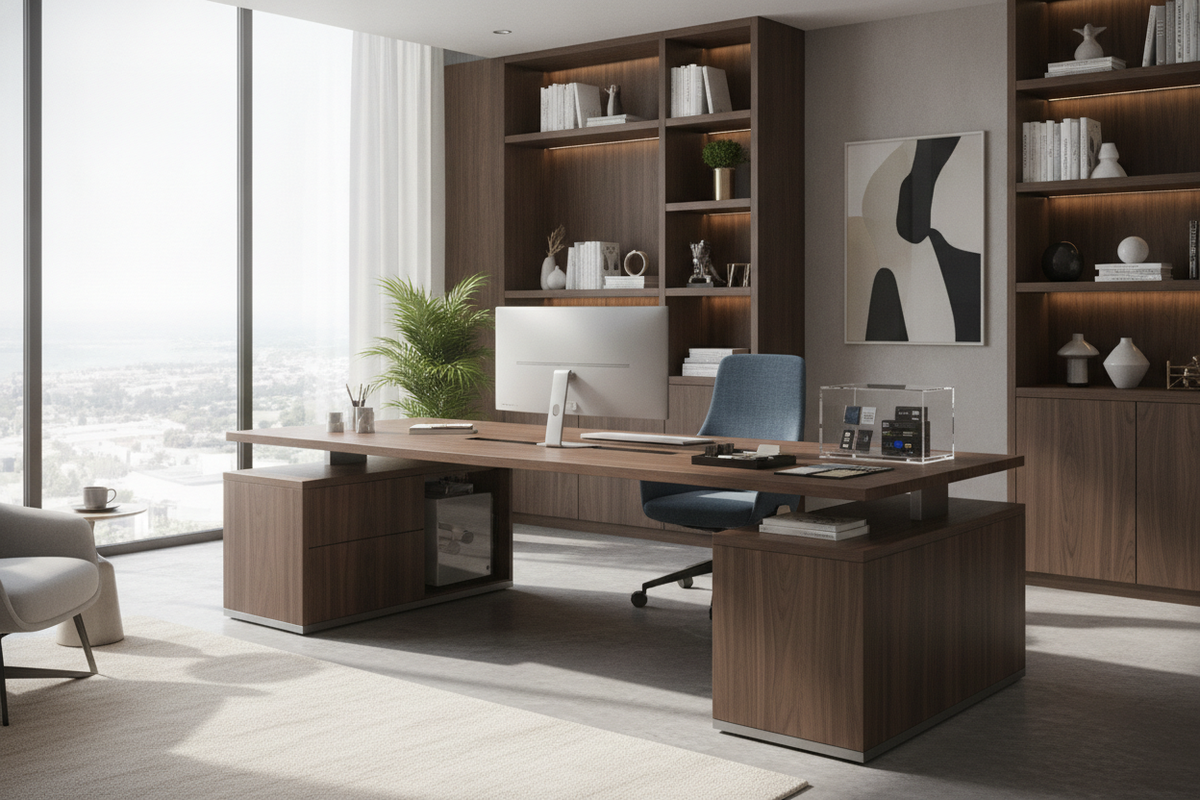
Workstation Form Factors: Categorizing Retail Computer and Office Desks
Choosing an ideal workstation requires understanding how different desk silhouettes serve specific workflows. Whether navigating commercial catalog selections or seeking personal office solutions, matching form factor to daily tasks prevents clutter and ergonomic strain. Desk designs generally fall into four primary structural categories: writing tables, utility computer desks, executive desks, and corner workstations.
Minimalist writing and study desks emphasize open legroom and clean lines. These streamlined surfaces cater to laptop-centric tasks, note-taking, and lightweight administrative routines. When evaluating minimalist silhouettes versus bulky storage units, browsing a curated writing computer desk collection provides perspective on streamlined work surfaces that preserve visual airiness in multifunctional rooms.
Utility computer tables introduce functional enhancements such as designated monitor platforms, keyboard trays, and lower shelves for desktop towers. For users who require extensive desktop real estate, traditional executive desks offer expansive surfaces paired with substantial side pedestals, full modesty panels, and integrated file organization. Meanwhile, L-shaped and corner configurations wrap around the user, separating active screen zones from secondary task areas such as signing paperwork, reviewing blueprints, or housing printers.
Spatial Footprint Tiers: Matching Desk Proportions to Room Scale
Proper spatial planning ensures that a desk complements the room rather than overwhelming traffic pathways. Evaluating spatial tiers helps balance tabletop utility with overall architectural harmony:
- Compact Tier: Built for alcoves, micro-apartments, and secondary study corners, compact desks maintain a slim profile while offering just enough depth for a single display and essential peripherals. For tighter floor plans, consulting a desk small office guide helps maximize spatial efficiency without compromising workflow ergonomics.
- Standard Mid-Size Tier: Balancing surface spread and spatial efficiency, mid-sized workstations accommodate dual-monitor setups, desktop audio, and desktop task lighting without encroaching heavily into main room pathways.
- Expansive Executive Tier: Designed for dedicated home offices or commercial suites, these substantial tables anchor spacious rooms, providing ample clearance for sprawling reference materials and integrated document storage.
Beyond the surface dimensions, clearance planning remains vital. Always account for chair back-up space behind the knee well, clear walkway margins around perimeter boundaries, and unhindered door and window swings to ensure fluid movement across the workspace.
Integrated Storage Architecture: Pedestals, Drawers, and Hutches
A clutter-free desktop relies on intelligent interior storage architecture. Desk cabinetry and suspension options determine how effectively hardware, stationery, and confidential documents remain organized during intensive work sessions.
Pedestal storage typically combines shallow utility drawers for pens, notepads, and digital accessories with a deep bottom drawer equipped for hanging file folders. Multi-drawer configurations keep daily clutter off primary surfaces, preserving an organized visual line. Dedicated storage tiers like an office computer desk product with integrated compartments keep worktops free from clutter and hardware chaos.
Vertical hutch attachments extend storage upward without expanding the desk's physical footprint on the floor. Hutches provide upper shelving, cubbies, or soft-close cabinet doors to store binders, books, and display items. Integrated wire grommets, modesty channels, and under-desk cable baskets further streamline power delivery, keeping cords neatly organized behind structural panels.
Material Resiliency and Aesthetic Finishes
The choice of materials dictates not only visual presence but also durability against daily wear, moisture exposure, and constant friction from peripherals. Workstations utilize various material compositions tailored to distinct design preferences and operational demands:
- Engineered Wood with Melamine or Laminate: Engineered composite cores topped with high-pressure laminate or melamine overlays offer exceptional resistance against scuffs, heat, and moisture rings, presenting a resilient surface suited for heavy daily use.
- Natural Wood Veneers: Thin layers of genuine hardwood bonded to stable substrates deliver the classic warmth of deep walnut, rich cherry, or traditional oak grain, giving workspaces an executive aesthetic.
- Powder-Coated Steel and Metal Framing: Steel-framed work tables offer structural rigidity with a modern industrial silhouette, combining open leg space with dependable load-bearing stability.
- Monochromatic and Mixed Finishes: Sleek matte black, clean white, and mixed metal-and-wood designs adapt effortlessly to contemporary corporate environments or modern home offices.
For professional suites requiring prominent presence and durable architectural finishes, a desk executive office product illustrates premium commercial design principles through robust framing, broad transaction ledges, and unified styling.
Room Layout Configurations and Placement Synergy
How you position a computer desk impacts focus, ambient lighting balance, and room circulation. Selecting a strategic orientation optimizes both natural sightlines and daily productivity.
Perimeter placement aligns the desk flush against a wall or nestled beneath a window, preserving open floor area in shared living zones or compact bedrooms. When organizing multi-use spaces or hiding work gear after hours, reviewing an alternative computer desk office guide offers additional layout inspiration for blending professional work areas into residential interiors.
Conversely, floating command placement positions the desk centrally facing toward the room entrance, projecting authority and welcoming visitors in formal executive suites. Corner configurations effectively claim underutilized perimeter angles, creating a semi-enclosed workstation cockpit that separates focused computer tasks from surrounding room activities.
Assembly Mechanics, Ergonomic Alignment, and Long-Term Maintenance
Proper assembly and maintenance protect the longevity and stability of your workstation over years of continuous use. During assembly, ensure that cam-lock fasteners, dowels, and structural bolts are aligned squarely before final tightening to prevent uneven stress on corner joints.
Ergonomic alignment between your seating and desk height supports physical comfort throughout the workday. Ensure that armrests slide comfortably beneath the tabletop or keyboard tray, allowing elbows to rest at open angles while maintaining eye-level alignment with the upper third of your primary display screen.
For ongoing care, wipe laminate and veneer surfaces with soft microfiber cloths and mild, non-abrasive cleaners, avoiding excessive moisture near seams and edges. Using adjustable leveling glides at the base of desk legs ensures a stable, wobble-free surface across both hardwood floors and plush carpeting.


Leave a comment
This site is protected by hCaptcha and the hCaptcha Privacy Policy and Terms of Service apply.