










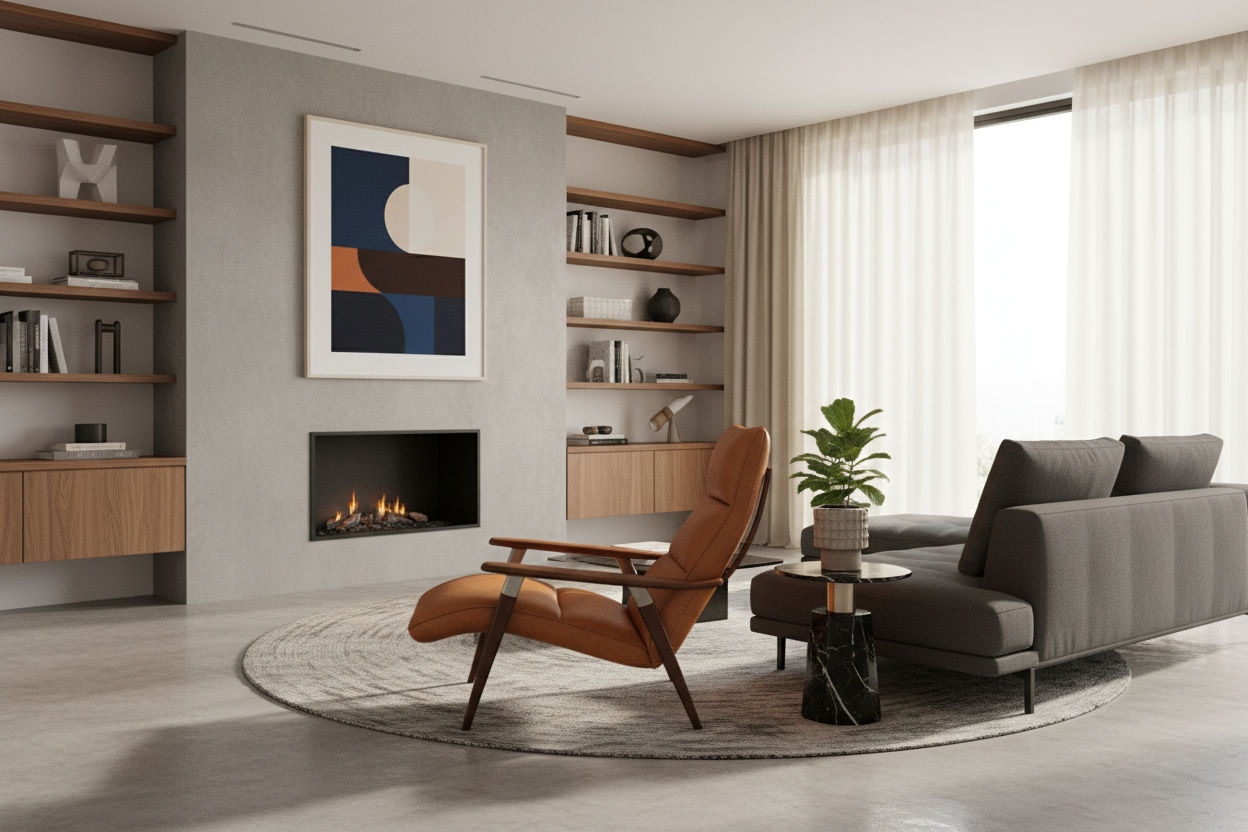
There is often a tension in interior design between the visual desire for sleek, architectural lines and the physical need for deep, uncompromised comfort. The furniture leather recliner sits right at the center of this debate. Historically viewed as bulky or aesthetically disruptive, modern iterations have evolved into sophisticated statement pieces. The challenge lies not in finding one, but in selecting a piece that offers ergonomic support without dominating the visual weight of your living area.
Quick Decision Guide: Key Features to Look For
If you are browsing showroom floors or online catalogs, prioritize these four structural elements to ensure longevity and comfort:
- Leather Grade: Always opt for Top-Grain or Full-Grain. Avoid "Bonded" leather, which is a composite material that peels over time.
- Frame Construction: Look for kiln-dried hardwood frames rather than plywood or particleboard to prevent warping.
- Suspension System: High-density foam paired with sinuous springs or 8-way hand-tied springs ensures the seat doesn't sag.
- Mechanism Quality: Test for smooth, silent operation. Power recliners should have a heavy-duty motor rating; manual levers should offer resistance without sticking.
Choosing the Right Material: Beyond Just "Leather"
As a designer, the most common misconception I correct is that all leather performs the same. The tactile experience and the aging process—the patina—depend entirely on the hide processing.
Full-Grain vs. Top-Grain
For a luxury aesthetic, Full-Grain leather is the gold standard. It retains the hide's natural markings and breathes better than any other option. However, if you have a high-traffic home with pets or children, Top-Grain is often the pragmatic choice. It is buffed to remove imperfections and coated with a protective finish, making it more resistant to stains while still maintaining a supple feel.
Space Planning and Visual Weight
A recliner is inherently a heavy piece of furniture, both physically and visually. To keep your room looking curated rather than cluttered, you must manage the silhouette.
The "Wall-Hugger" Advantage
In urban apartments or smaller dens, standard recliners require significant clearance behind the chair to fully extend. Look for "wall-hugger" or "zero-wall" mechanisms. These designs shift the seat forward on its track as it reclines, allowing you to place the chair within inches of a wall or bookshelf without scraping the leather.
Balancing the Room
Avoid placing a bulky leather recliner next to delicate, spindly furniture. It creates a jarring imbalance. Instead, pair it with a substantial side table or a floor lamp with a heavy base. If your recliner is a dark espresso or black, use a textured throw blanket in a lighter tone (like oatmeal or cream) to break up the mass of dark color.
Ergonomics and Mechanism Types
The mechanism is the heart of the chair. Manual push-backs offer a cleaner look because they lack a visible handle, mimicking a standard club chair. However, power recliners allow for infinite positioning. If you choose a power option, ensure you have a floor outlet nearby, or opt for a battery-pack model to avoid the unsightly "trip wire" of a cord stretching across your rug.
My Personal Take on furniture leather recliner
Let’s talk about something the catalogs won't tell you: the "cold shock" and the noise factor. I recently installed a pair of high-end, aniline leather power recliners in a client's media room. While they looked stunning, the client called me a week later mentioning that the leather felt shockingly cold in the winter before body heat warmed it up—a stark contrast to their old fabric sofa.
Furthermore, we learned the hard way about motor hum. In a silent room, cheaper power mechanisms can sound like a dying drone. When we swapped them for a premium brand with whisper-quiet German-engineered motors, the difference was night and day. Also, a small unpolished detail: check the gap between the footrest and the seat when extended. I’ve lost more phones and remotes into that specific abyss than I care to admit. A continuous chaise-style footrest solves this and looks much more elegant.
Conclusion
Investing in a leather recliner is a commitment to both your posture and your home's aesthetic. By focusing on grain quality, appropriate scale, and mechanical durability, you can secure a piece that serves as a sanctuary after a long day without compromising your design vision. Choose well, and it will only get better with age.
Frequently Asked Questions
How do I maintain the leather to prevent cracking?
Leather is skin and needs hydration. Dust it weekly with a microfiber cloth and apply a high-quality leather conditioner every 6 to 12 months. Keep the chair out of direct sunlight, as UV rays will dry out the natural oils and cause fading.
How much space do I need for a recliner?
For a standard recliner, allow at least 10 to 14 inches of clearance from the wall. If you choose a wall-hugger model, you typically only need 2 to 4 inches. Don't forget to measure the fully extended depth to ensure it doesn't hit your coffee table.
Is a manual or power recliner better for longevity?
Manual recliners generally have fewer parts that can fail, making them slightly more durable long-term. However, high-quality power recliners from reputable manufacturers are built to last for decades. The primary failure point in power units is the motor, which is usually replaceable.


Leave a comment
This site is protected by hCaptcha and the hCaptcha Privacy Policy and Terms of Service apply.