










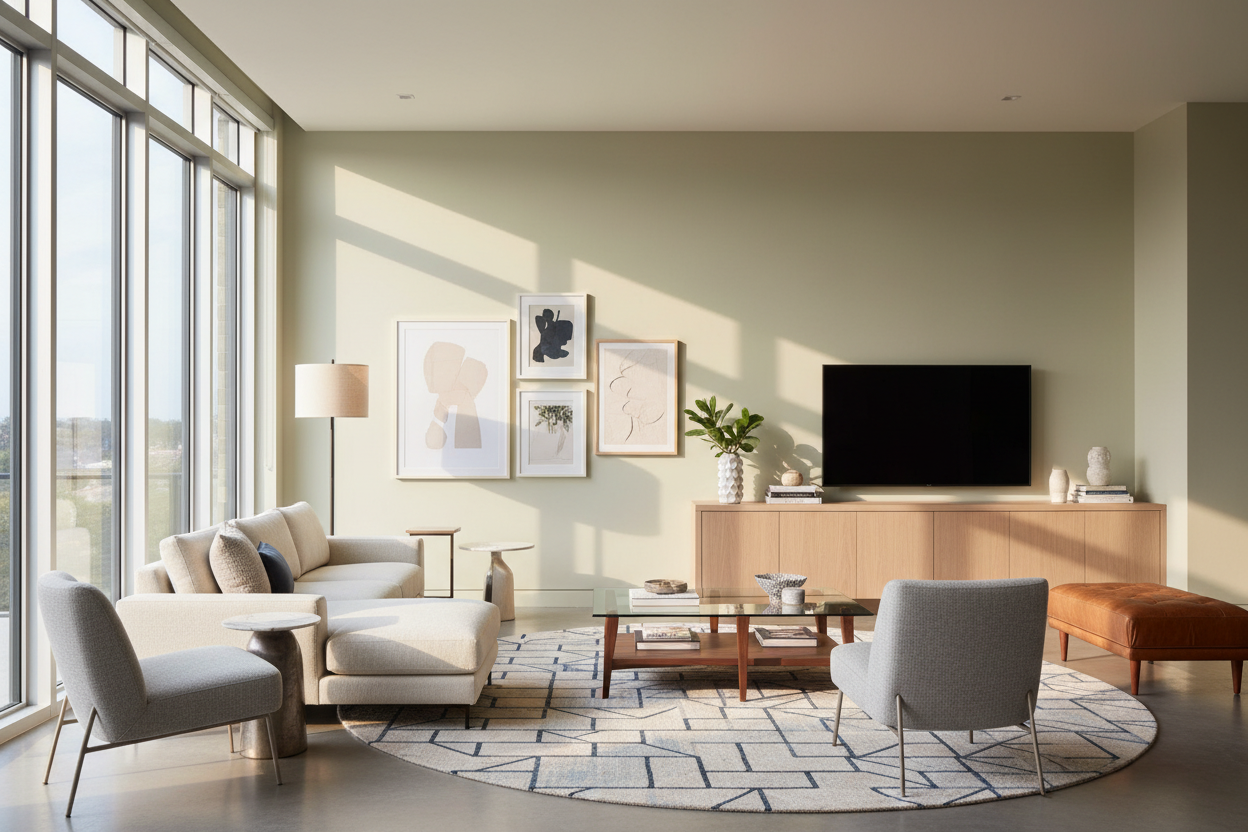
Standing in an empty living room can feel daunting. You visualize a space that feels curated and inviting, yet the reality of filling it often leads to distinct decision paralysis. As a designer, I see homeowners rush into purchasing individual pieces without understanding how they interact as a whole. The secret to a cohesive design isn't just buying expensive items; it is understanding the different kinds of living room furniture and how they converse with one another in a specific footprint.
Quick Decision Guide: Key Selection Criteria
Before swiping your credit card, consider these fundamental factors. This checklist helps my clients avoid costly returns and layout disasters when evaluating types of living room furniture.
- Scale and Proportion: Ensure pieces fit the room size without blocking 30-36 inch traffic pathways.
- Functionality: Determine if the room is for formal hosting (firm seating) or lounging (deep, soft seating).
- Material Durability: Look for kiln-dried hardwood frames and performance fabrics (high rub counts) for longevity.
- Visual Weight: Balance heavy pieces (sofas) with lighter items (glass tables or legged chairs) to avoid a cluttered look.
The Anchor Pieces: Seating Categories
When categorizing living room furniture types, seating is the foundation. It dictates the flow and comfort level of the entire space.
Sofas and Sectionals
The sofa is your primary investment. For smaller footprints, I recommend a standard 84-inch sofa or an apartment-sized settee. In open-concept homes, a sectional works beautifully to define the zone, acting as a subtle room divider. Pay attention to the suspension system—eight-way hand-tied springs remain the gold standard for preventing sagging over time.
Accent and Occasional Chairs
These are the jewelry of the room. This is where you can take risks with silhouettes and textiles. A pair of swivel chairs invites conversation, while a high-back wing chair adds vertical interest. When mixing living room furniture categories, ensure the seat height of your accent chairs is within an inch or two of your sofa to keep eye levels aligned.
The Functional Surfaces: Tables and Consoles
Once the seating is set, we need surfaces to ground the arrangement. The interplay between soft upholstery and hard surfaces creates necessary texture.
Coffee and Cocktail Tables
The coffee table anchors the seating area. A common design error is choosing a table that is too small. Ideally, the table should be about two-thirds the length of your sofa. If you have a blocky, square sectional, contrast it with a round coffee table to soften the lines. Material choice here is critical; porous marble requires coasters, whereas tempered glass or sealed wood offers more resilience.
Side and Nesting Tables
Among the various types of furniture in living room layouts, side tables are often the most overlooked. They should be easily reachable from every seat. Nesting tables are a personal favorite for flexible entertaining—they expand when guests arrive and tuck away to save floor space.
Storage and Media Units
Clutter is the enemy of design. Proper storage furniture maintains the aesthetic integrity of the room.
Credenzas and Media Consoles
Whether mounting a TV or displaying art, a low-slung credenza provides essential closed storage. Look for units with cable management cutouts to keep wires invisible. Aesthetically, a floating console can make a small room feel wider by revealing more floor space.
Bookshelves and Etageres
Open shelving adds height and personality. However, styling is key. I advise the 'two-thirds rule': fill shelves only two-thirds full with books and decor to create 'negative space,' which prevents the room from feeling heavy or chaotic.
Lessons from My Own Projects
I want to share a specific mistake I made early in my career so you don't have to. I once fell in love with a stunning, deep-seat boucle armchair for a client's reading nook. It looked incredible in the showroom.
However, I didn't account for the client's lifestyle—specifically, their penchant for wearing dark denim. Within six months, that pristine cream boucle had a distinct blue haze on the seat cushion from dye transfer. It was a nightmare to clean because the texture trapped the pigment. Now, when I discuss types of living room furniture with clients, I physically rub a fabric swatch against their jeans if they want light colors. It’s an unpolished, practical test, but it saves heartache later. If you live in denim, stick to performance velvet or darker weaves.
Conclusion
Selecting the right furniture goes beyond matching colors. It requires a thoughtful approach to scale, usage, and material integrity. By understanding the distinct categories and how they serve your lifestyle, you can build a living room that feels assembled over time, rather than bought in a day.
Frequently Asked Questions
How do I mix different wood tones in the living room?
Identify a dominant wood tone (usually the floor or largest piece) and choose secondary woods that share the same undertone (warm or cool). Avoid matching everything perfectly, as this can look flat and dated.
What is the most durable fabric for a family living room?
Performance fabrics, specifically Crypton or solution-dyed acrylics, are industry leaders. They resist stains and fading. Tightly woven microfibers and high-quality leather are also excellent for high-traffic areas.
How much space should be between the coffee table and the sofa?
Ergonomics dictate a distance of 14 to 18 inches. This is close enough to set down a drink comfortably but wide enough to walk through without banging your shins.


Leave a comment
This site is protected by hCaptcha and the hCaptcha Privacy Policy and Terms of Service apply.